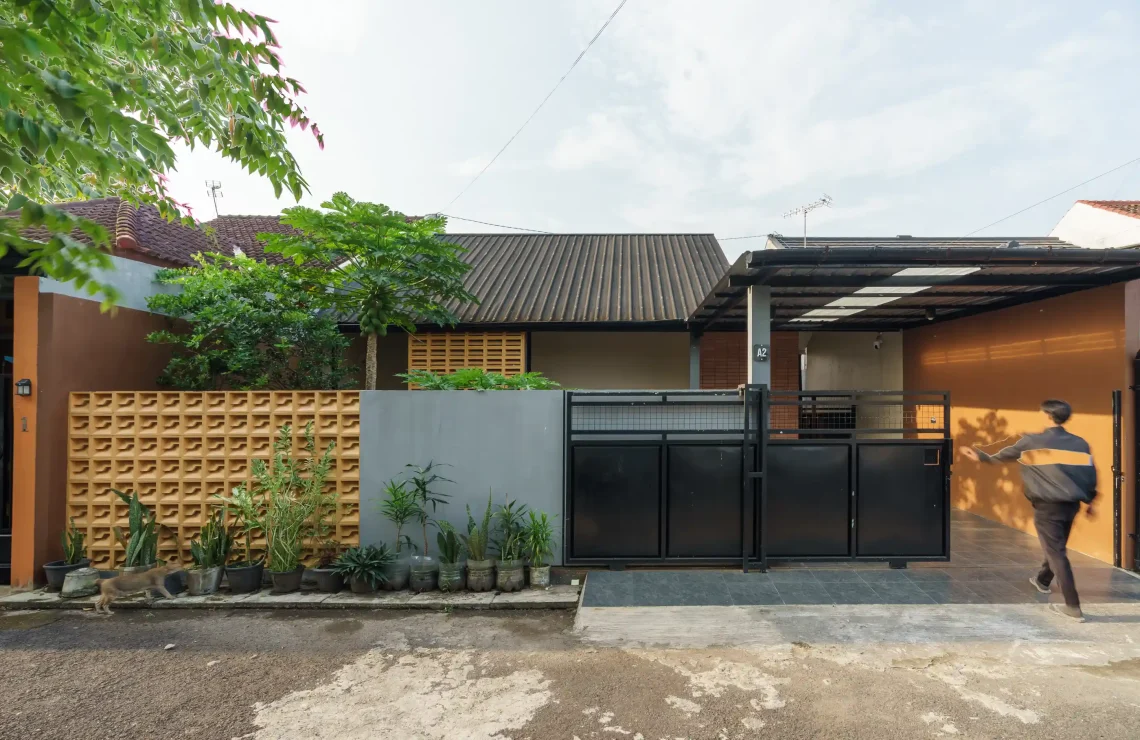
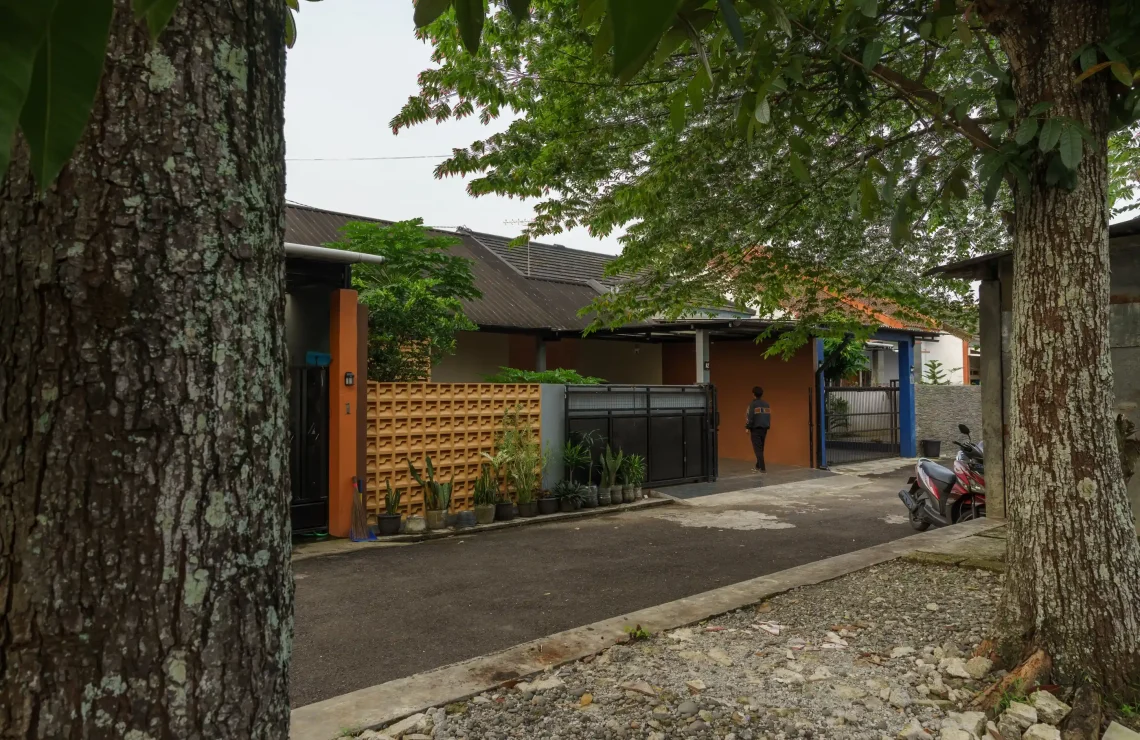
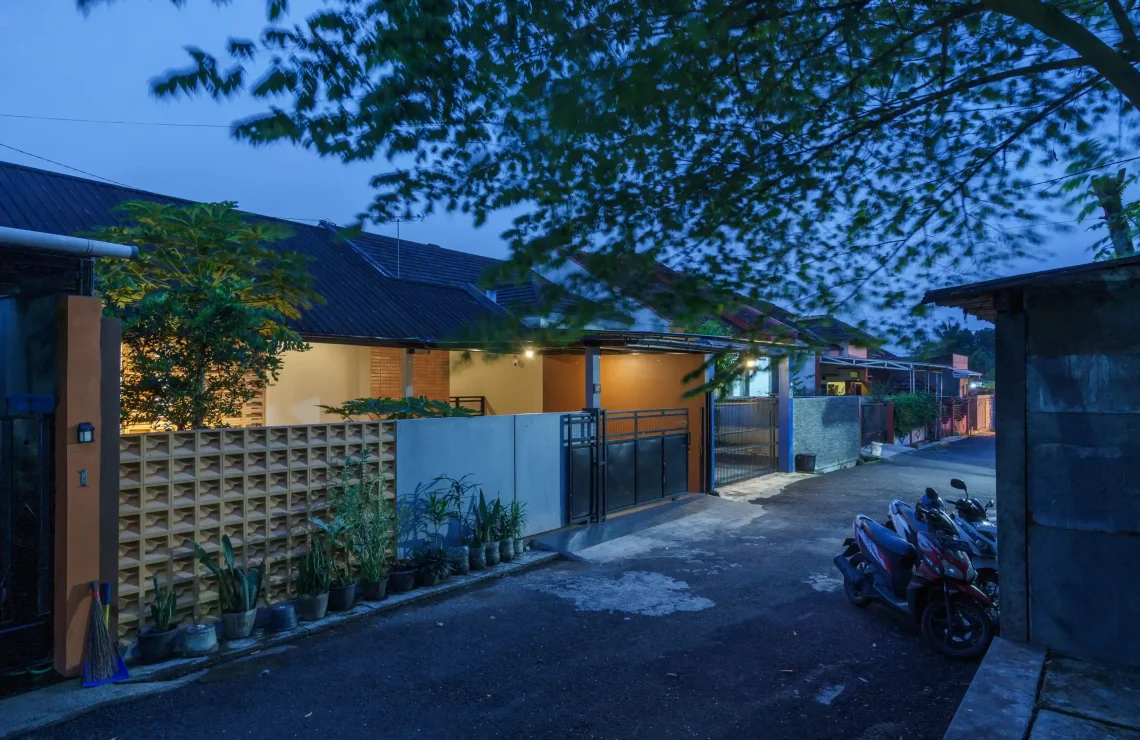
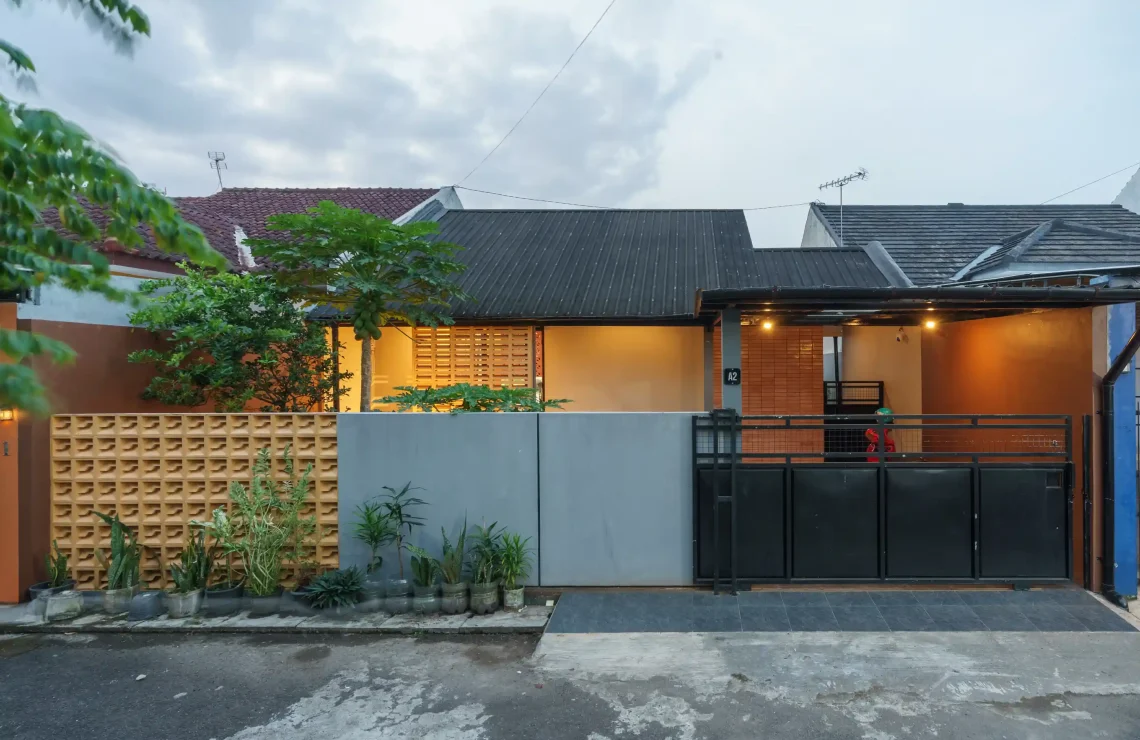
Mahardhika House is conceived as a home that integrates everyday living with the owners’ passion for gardening, transforming the relationship between built space and open land into an essential part of domestic life.
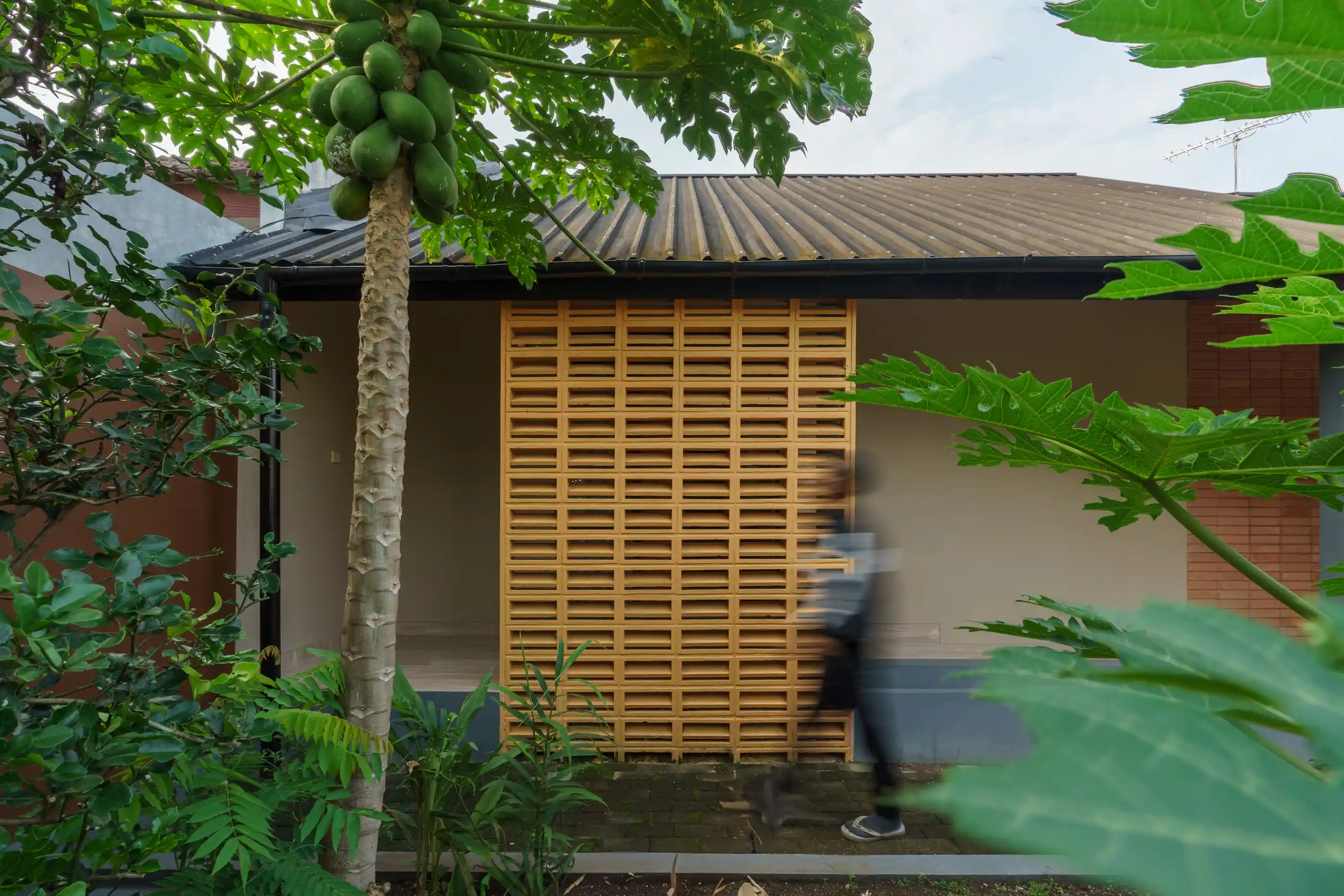
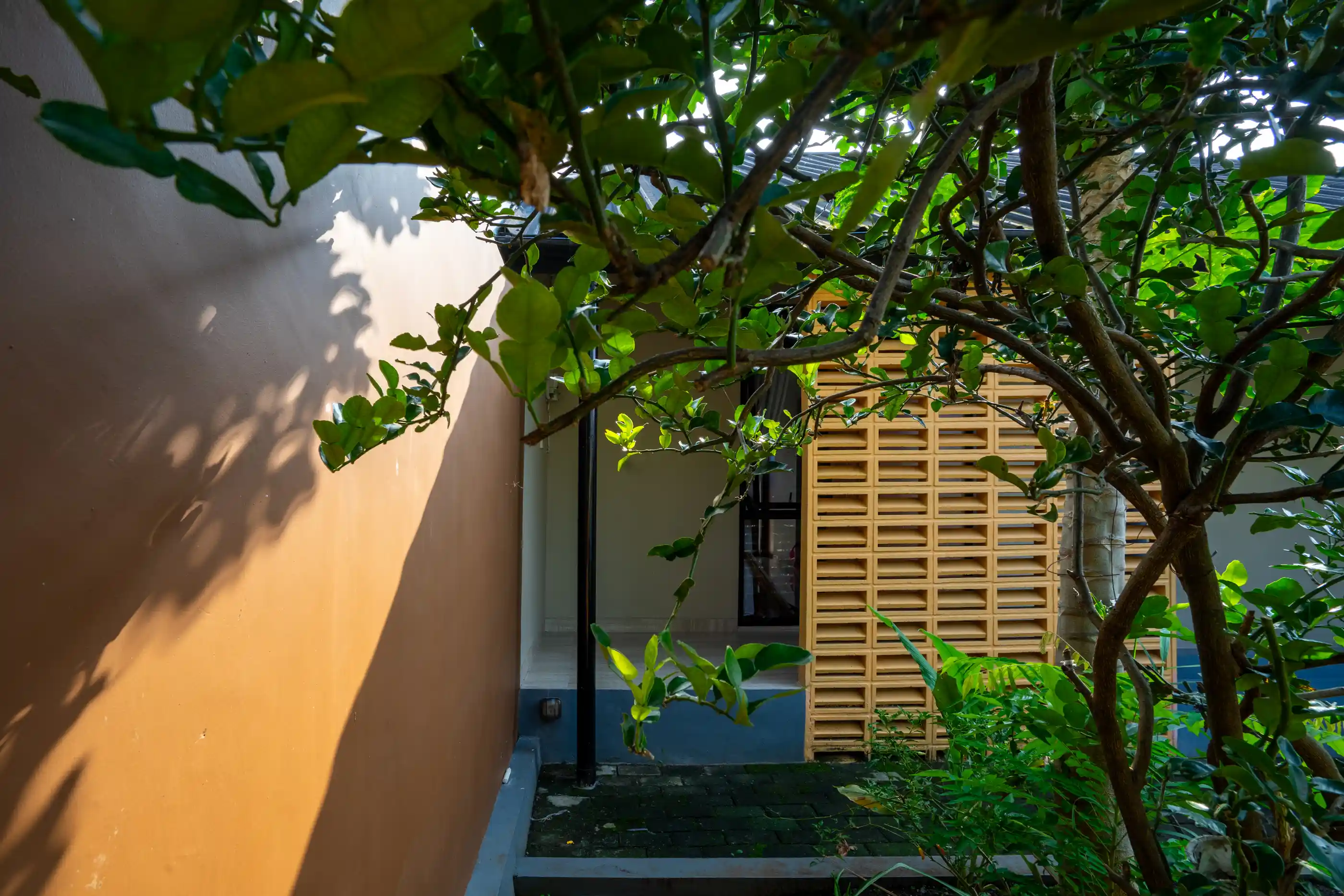
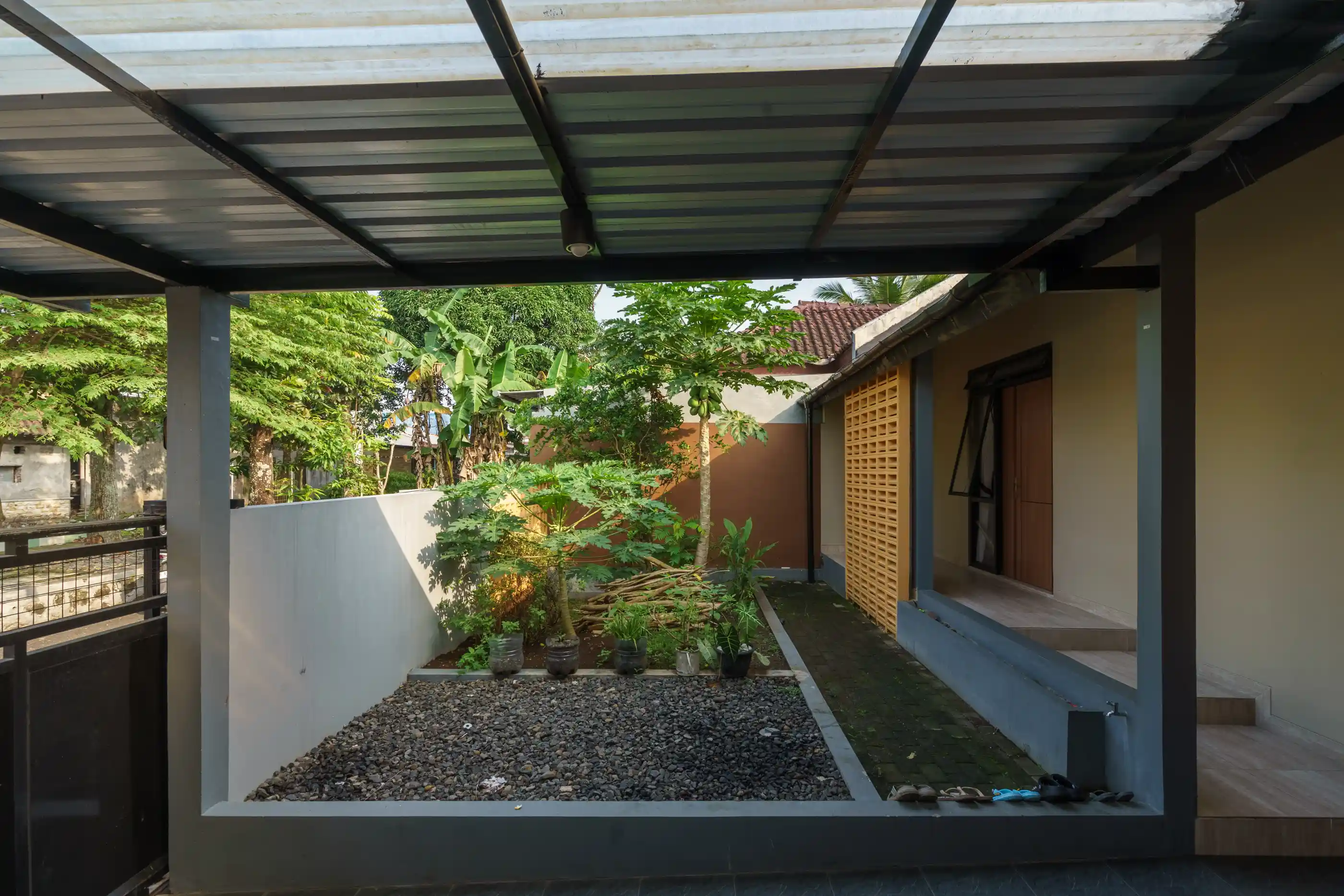
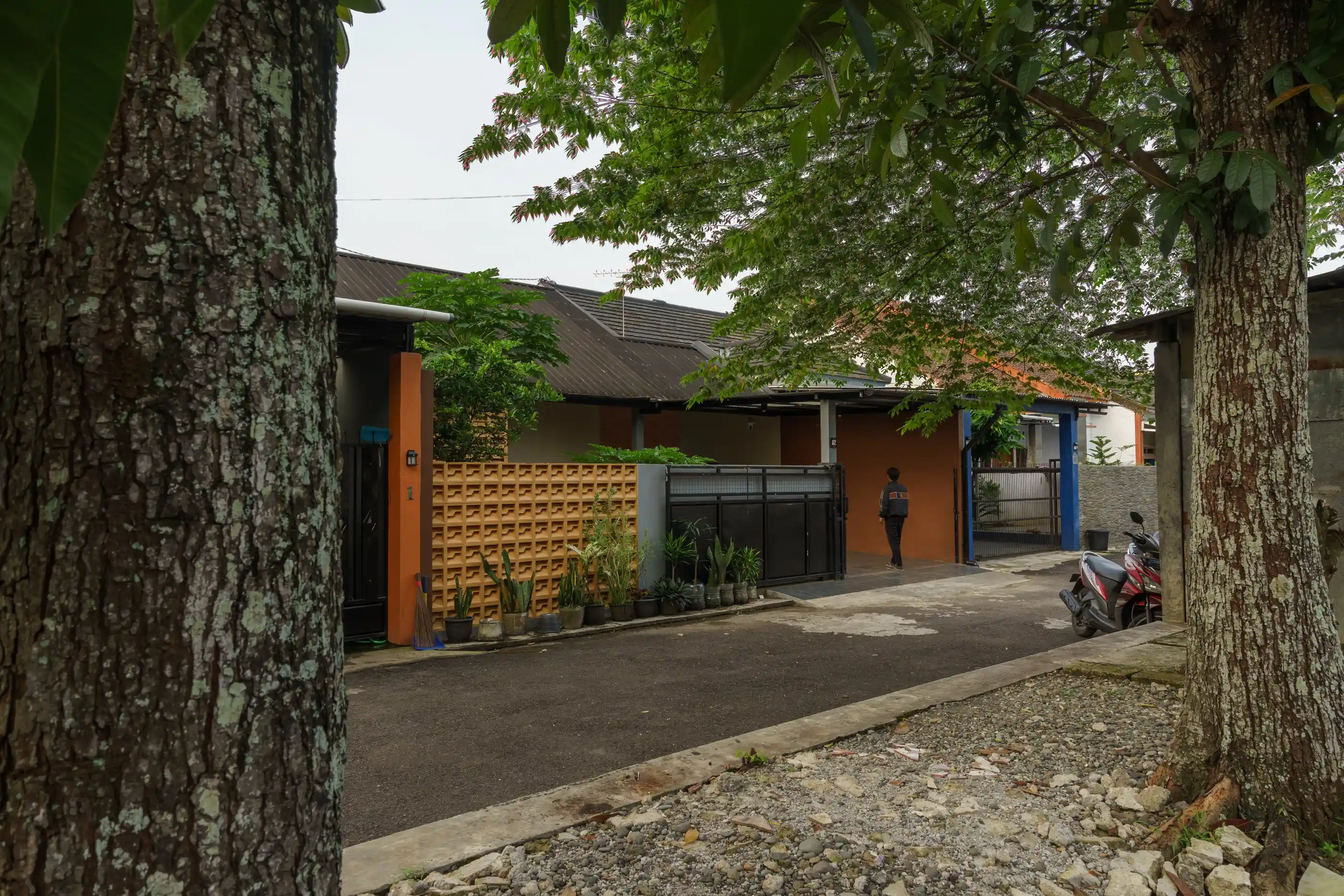
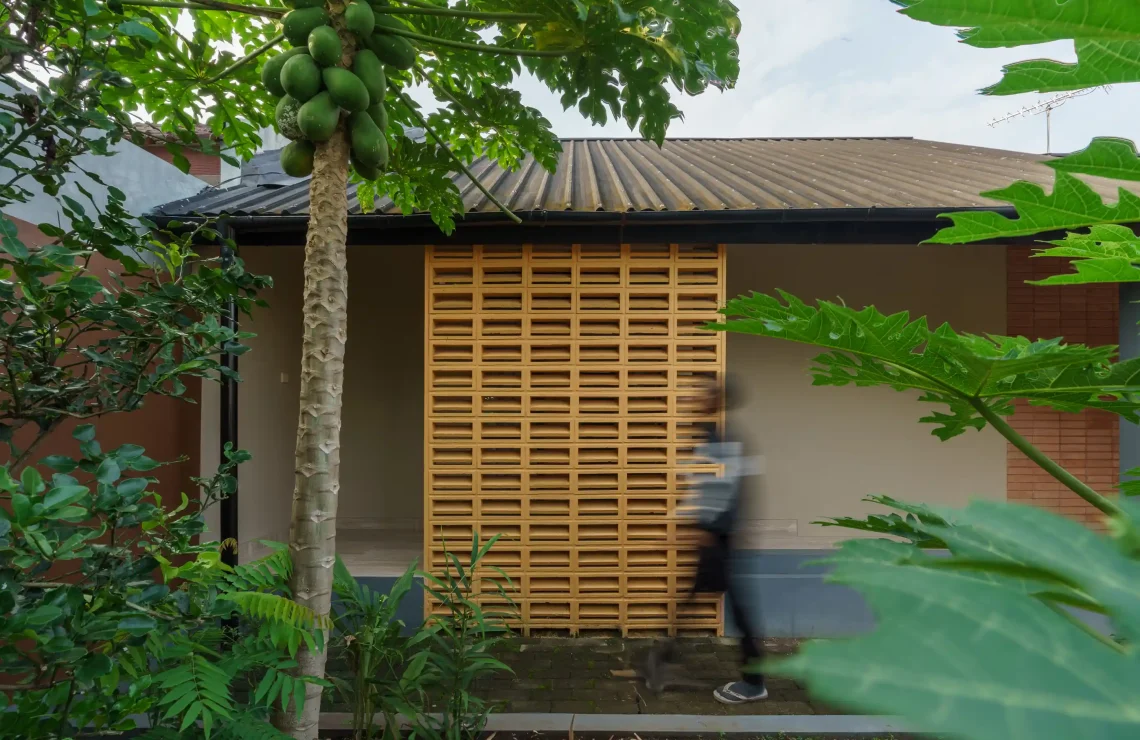
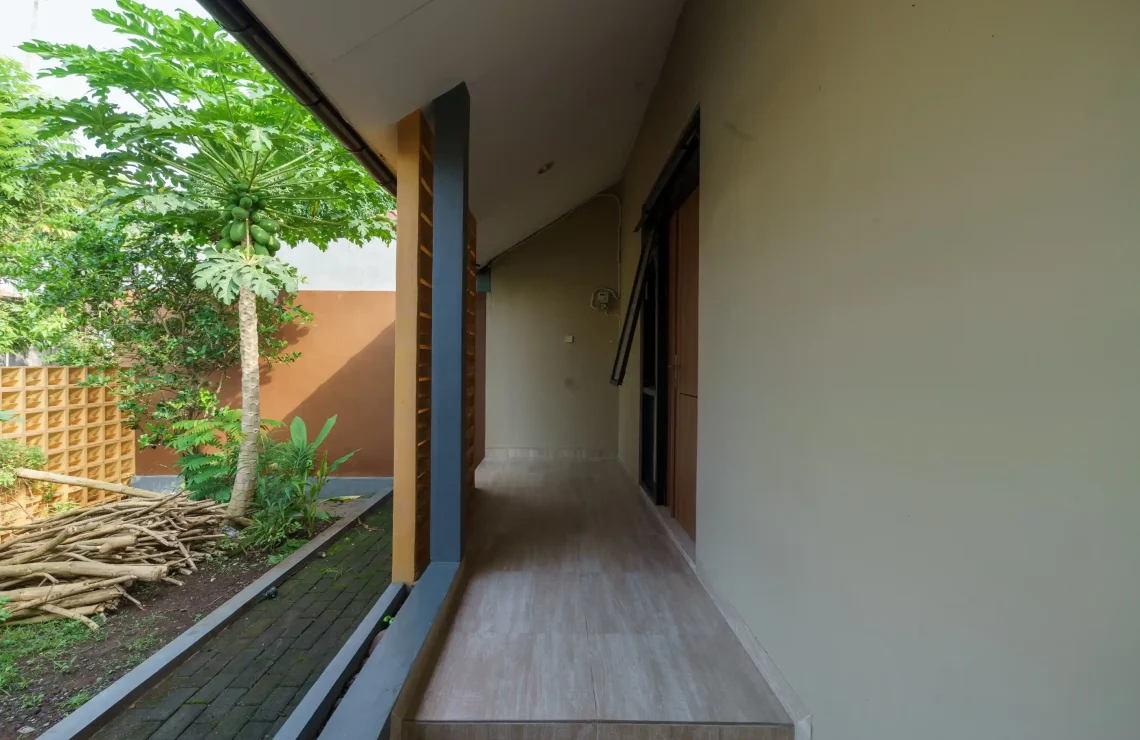
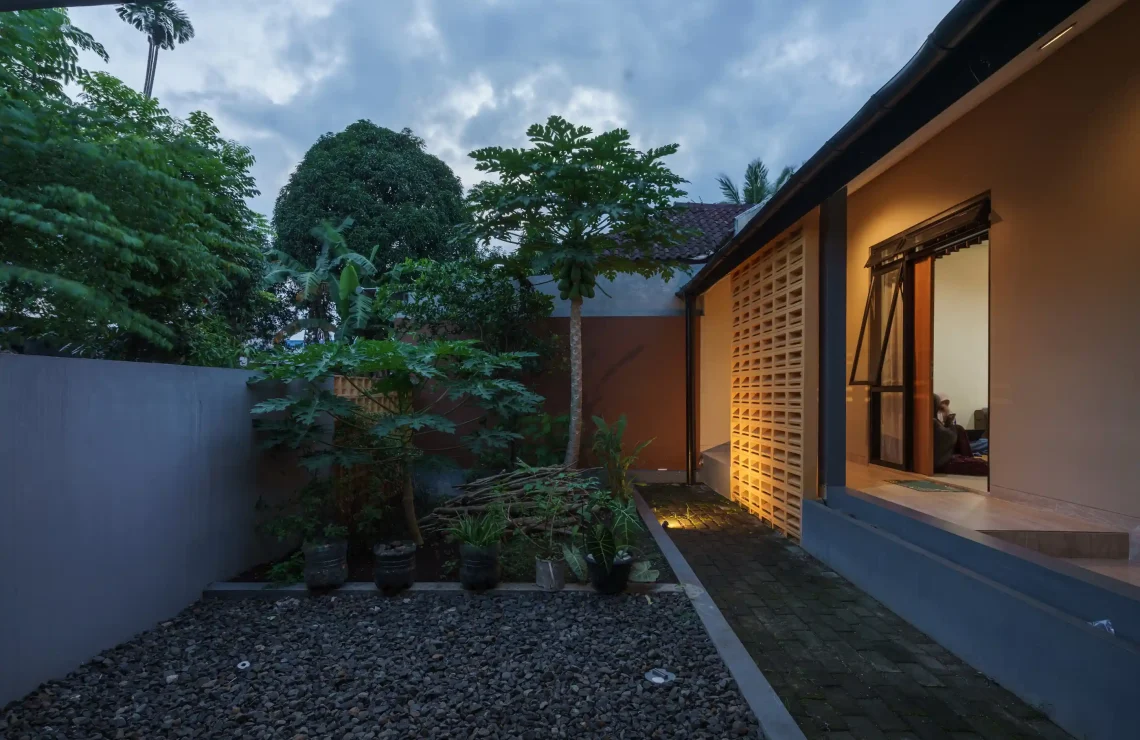
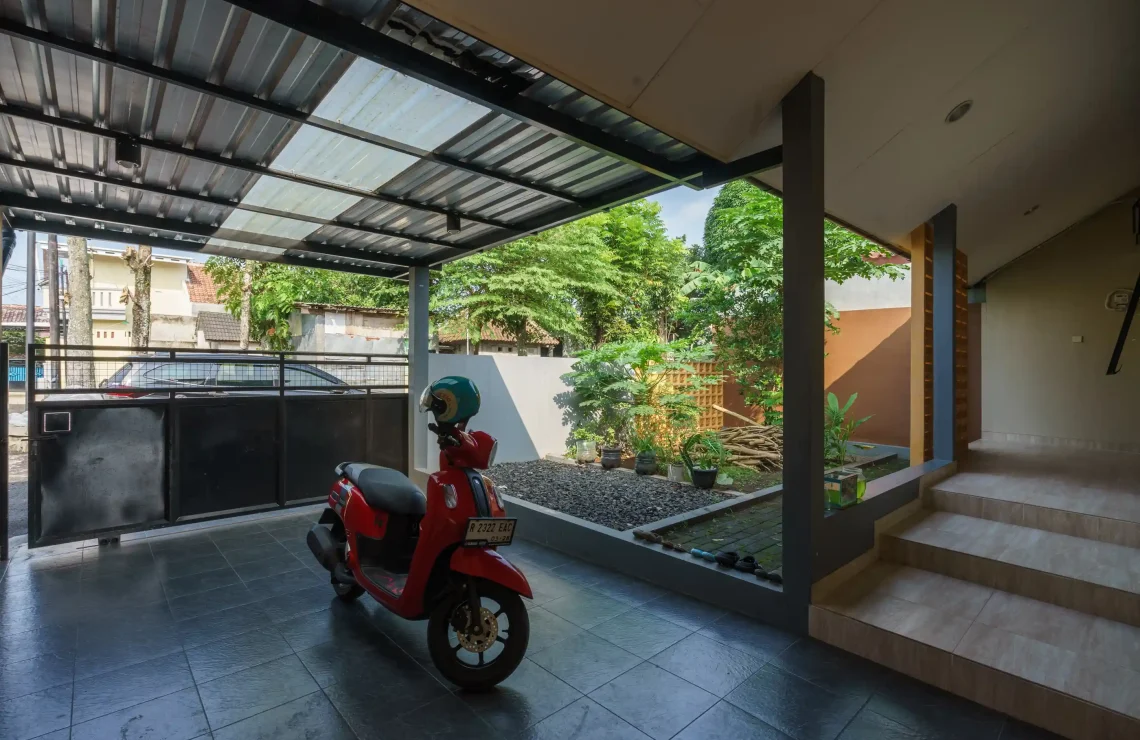
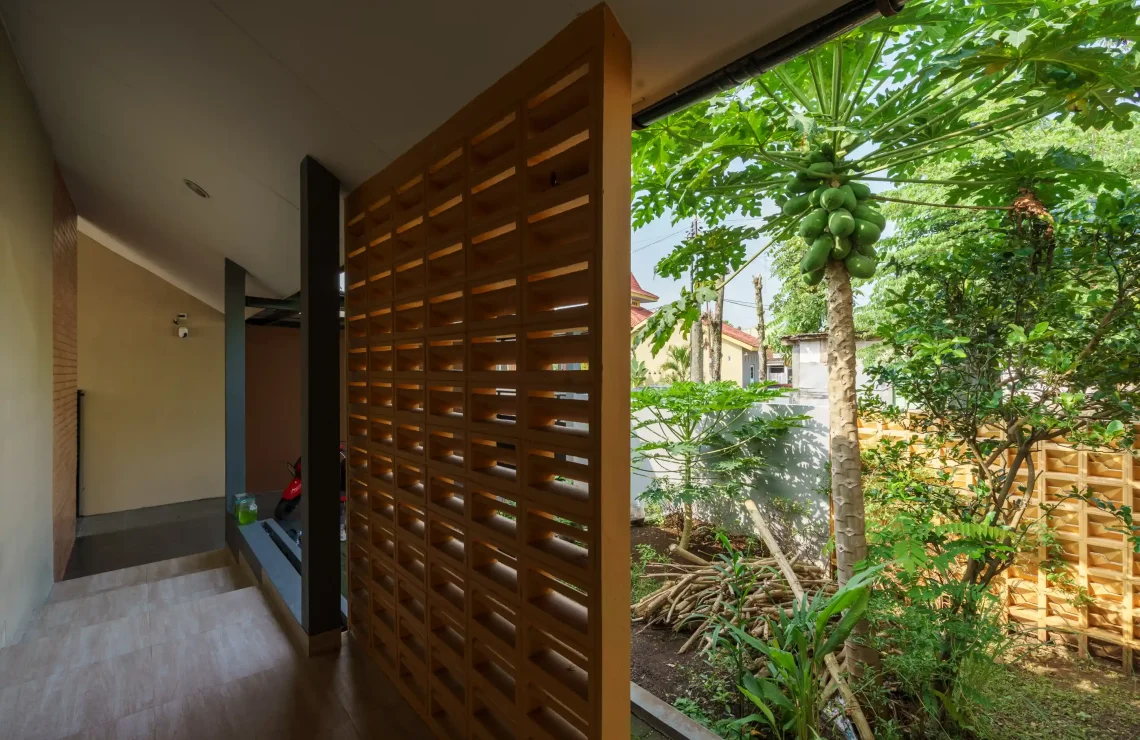
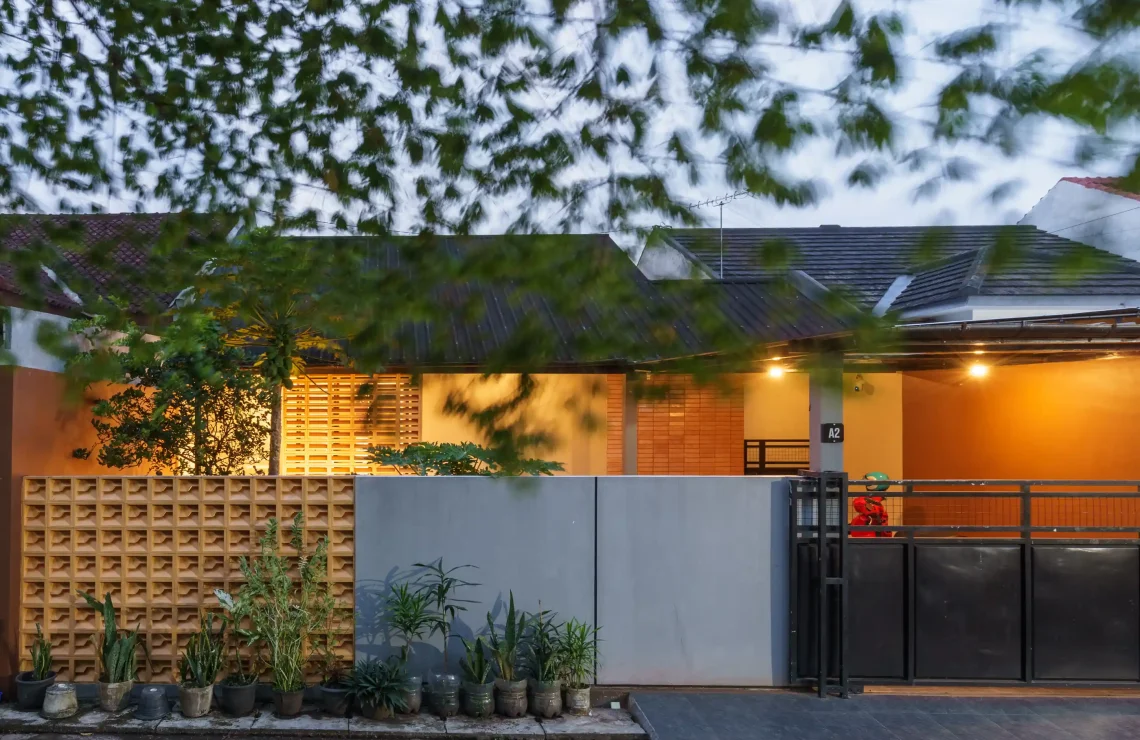
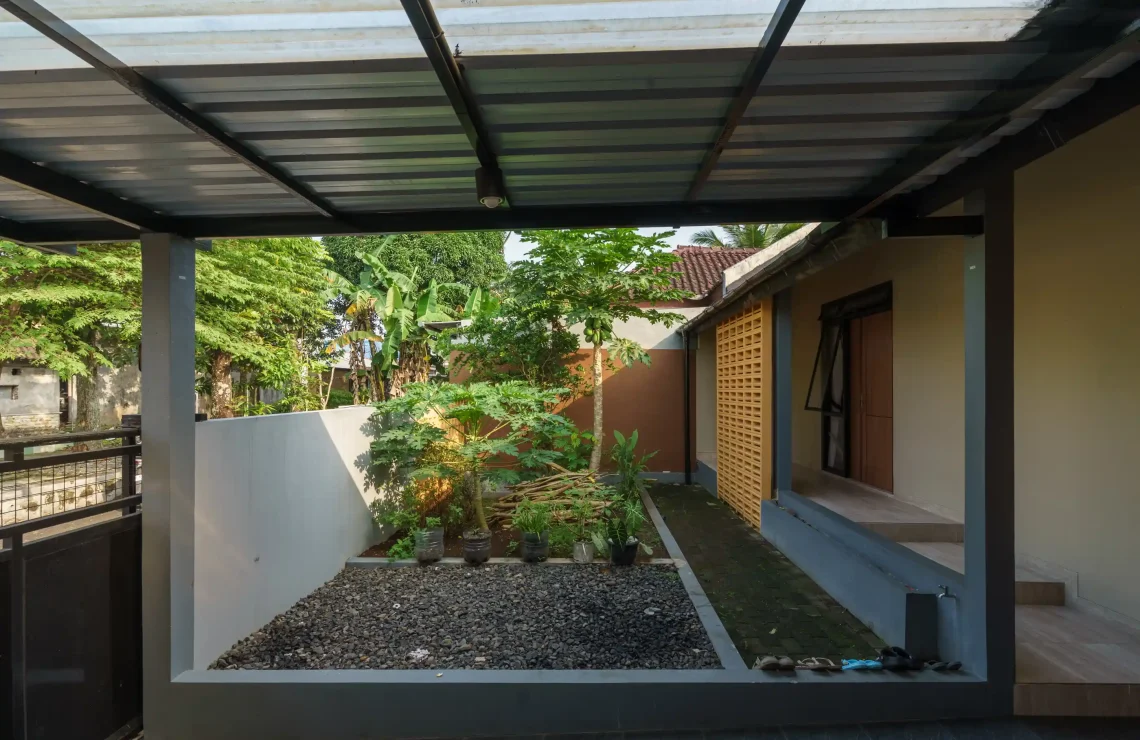
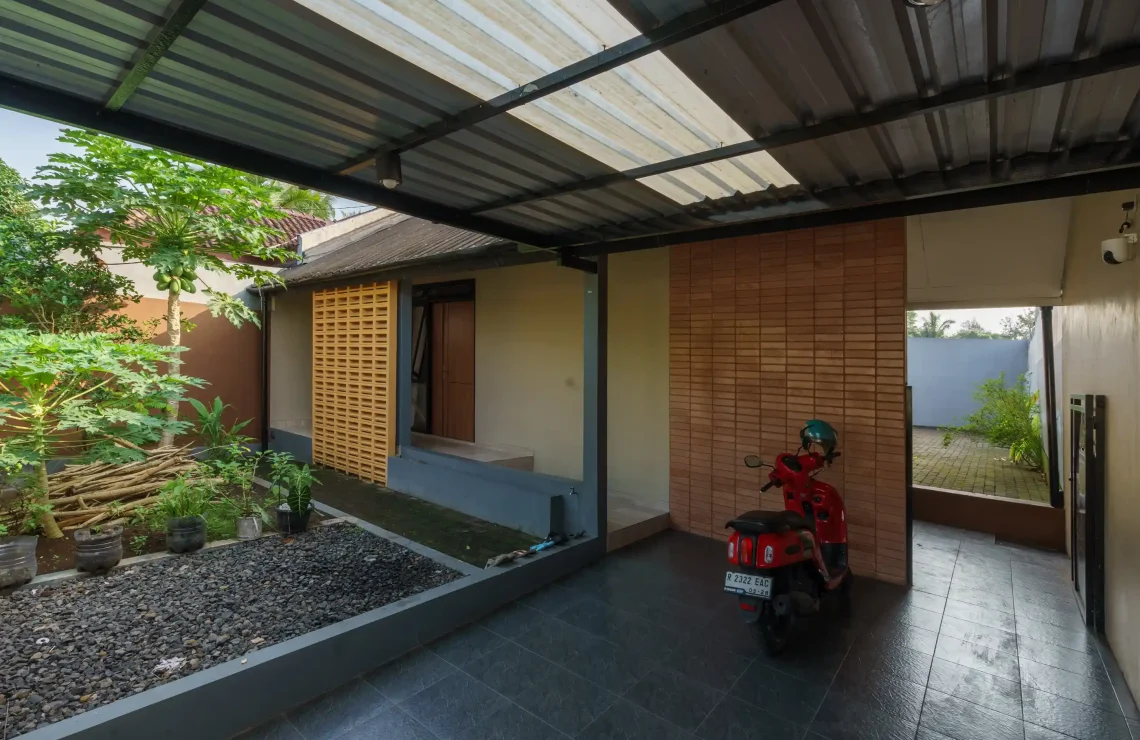
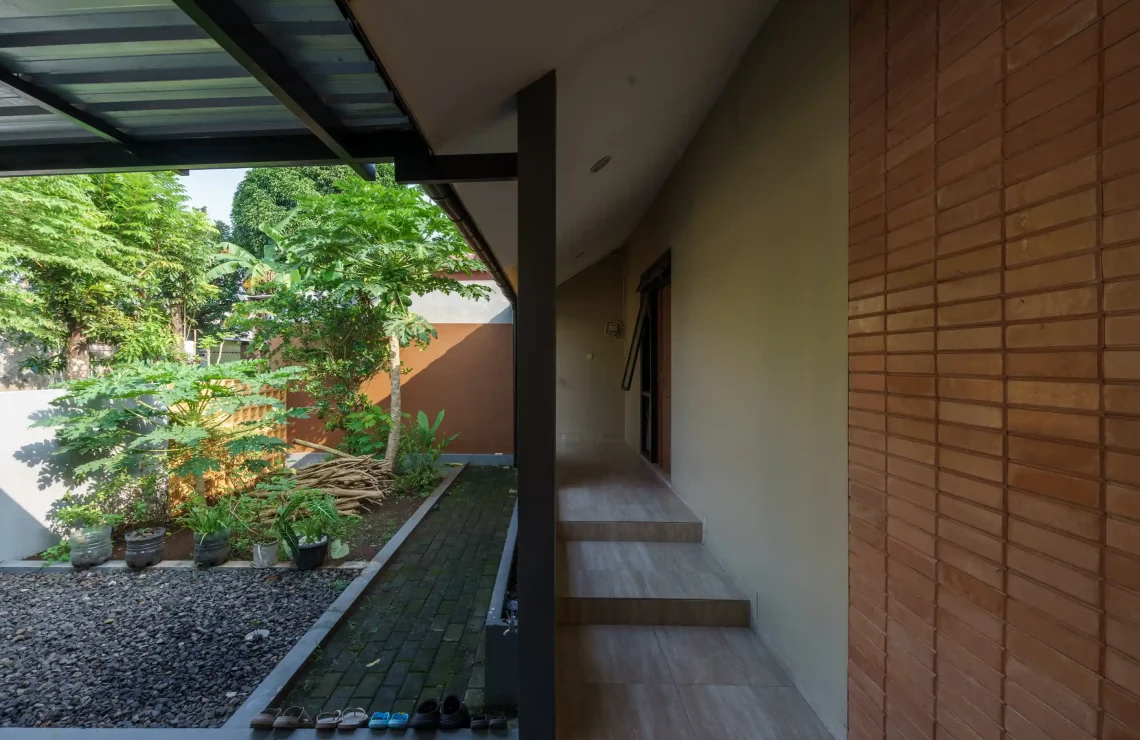
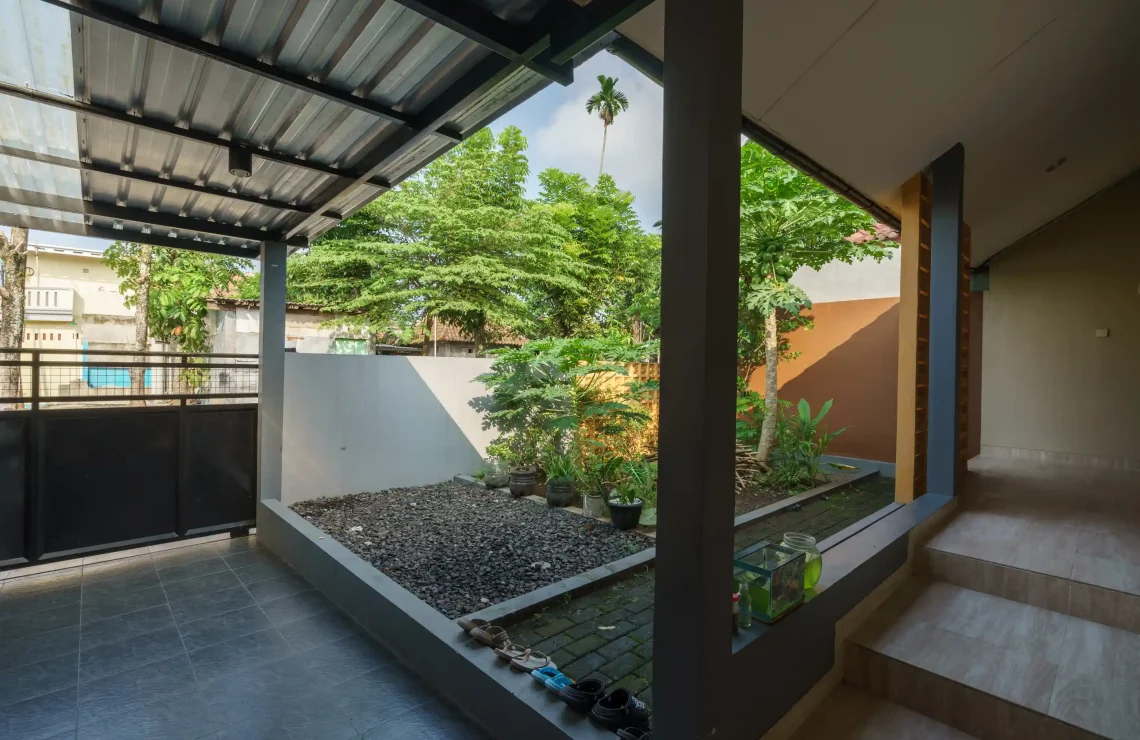
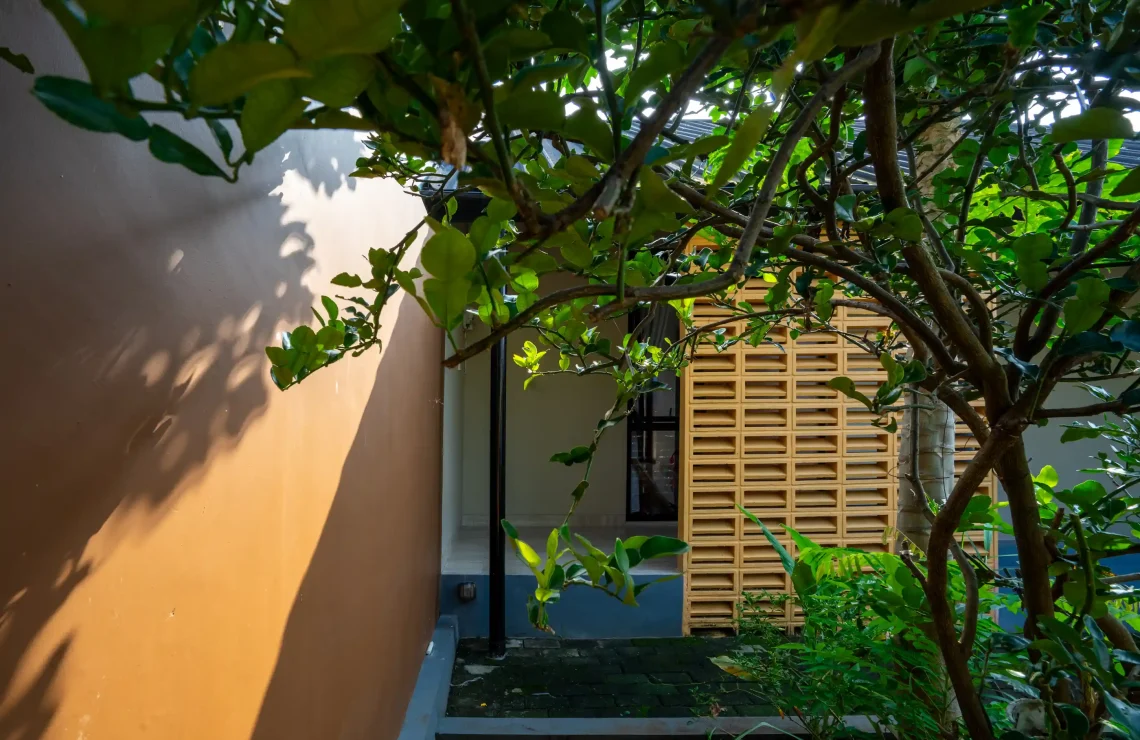
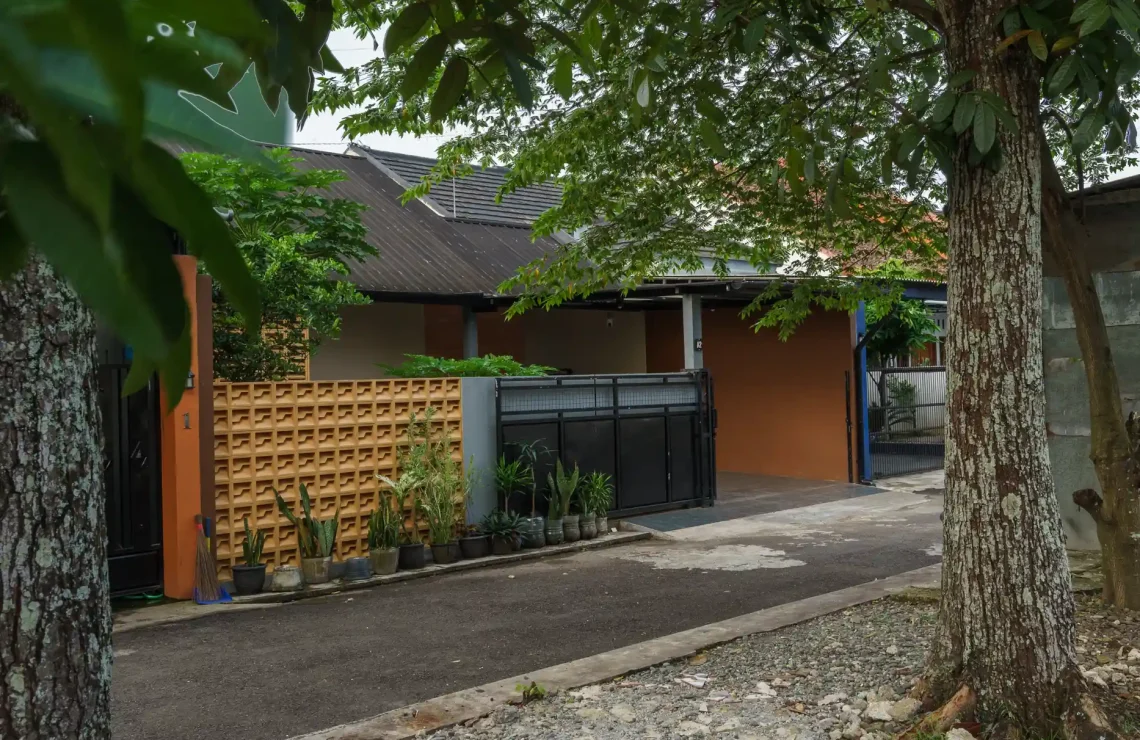
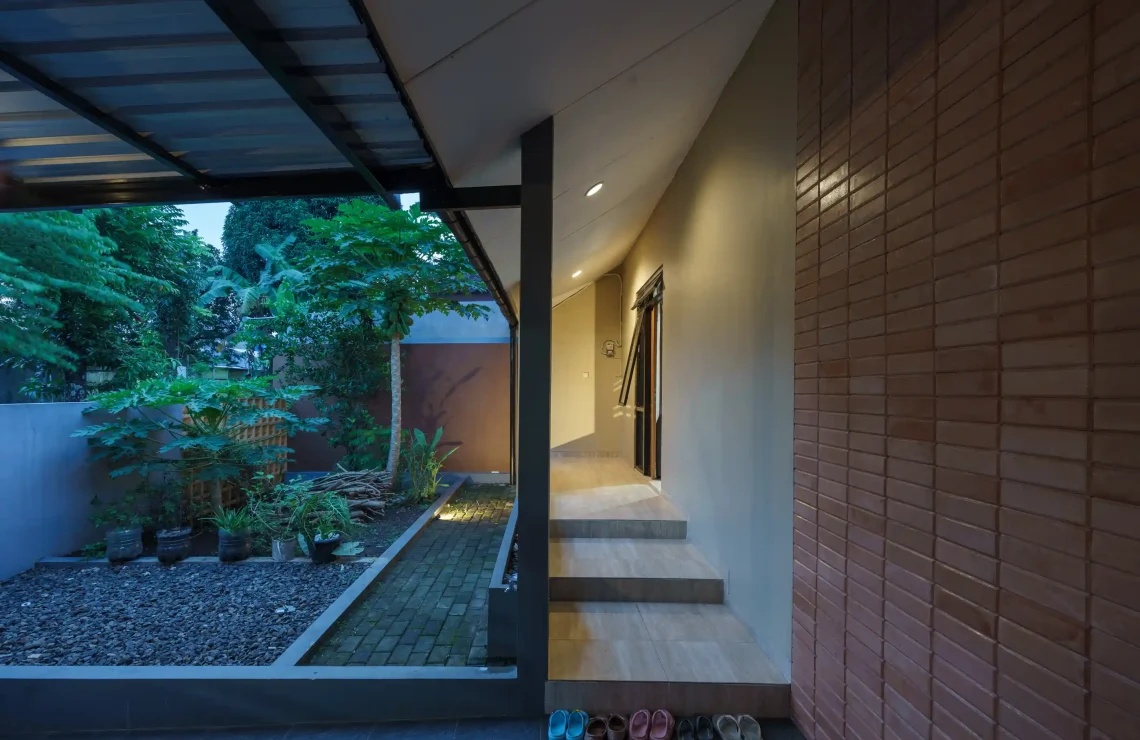
Located within a residential neighborhood and directly adjoining agricultural fields, the house occupies a 220 m² site with an 80 m² building area. The proportion of built and unbuilt space allows a significant portion of the site to remain open and be used as a garden, responding directly to the wife’s passion for gardening. After a year of living in the house, the garden had successfully produced a variety of vegetables and fruits, turning the open space into an active part of the family’s daily routine rather than simply a residual area around the building.
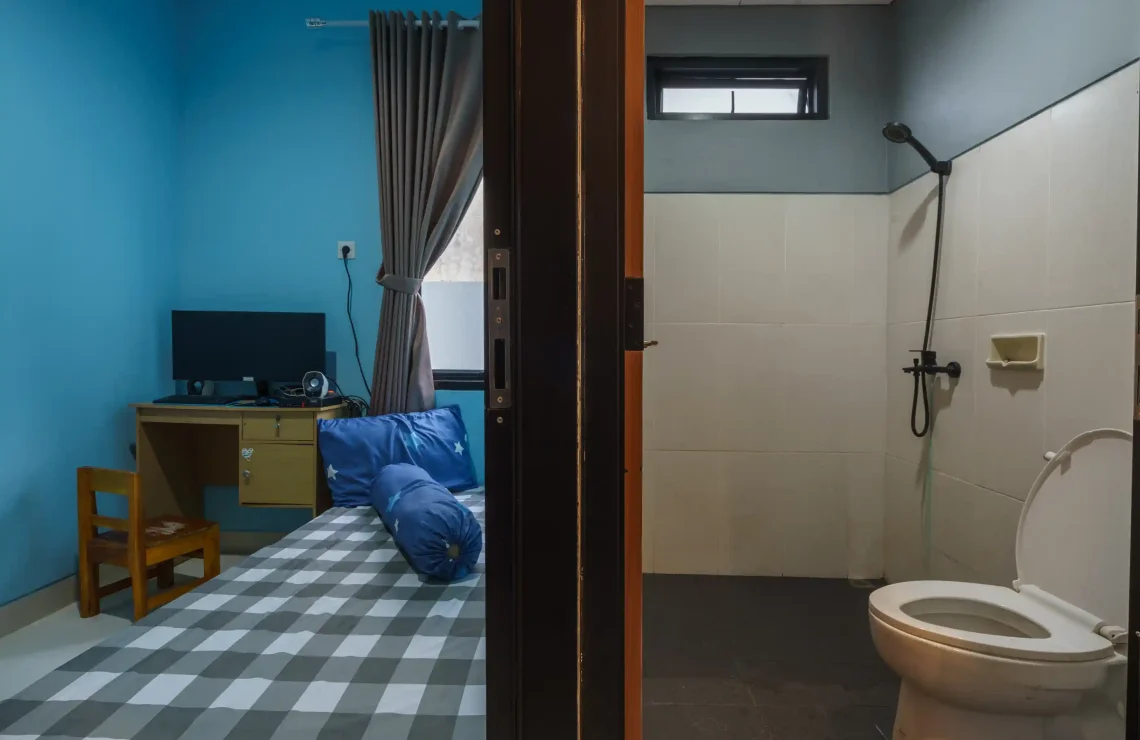
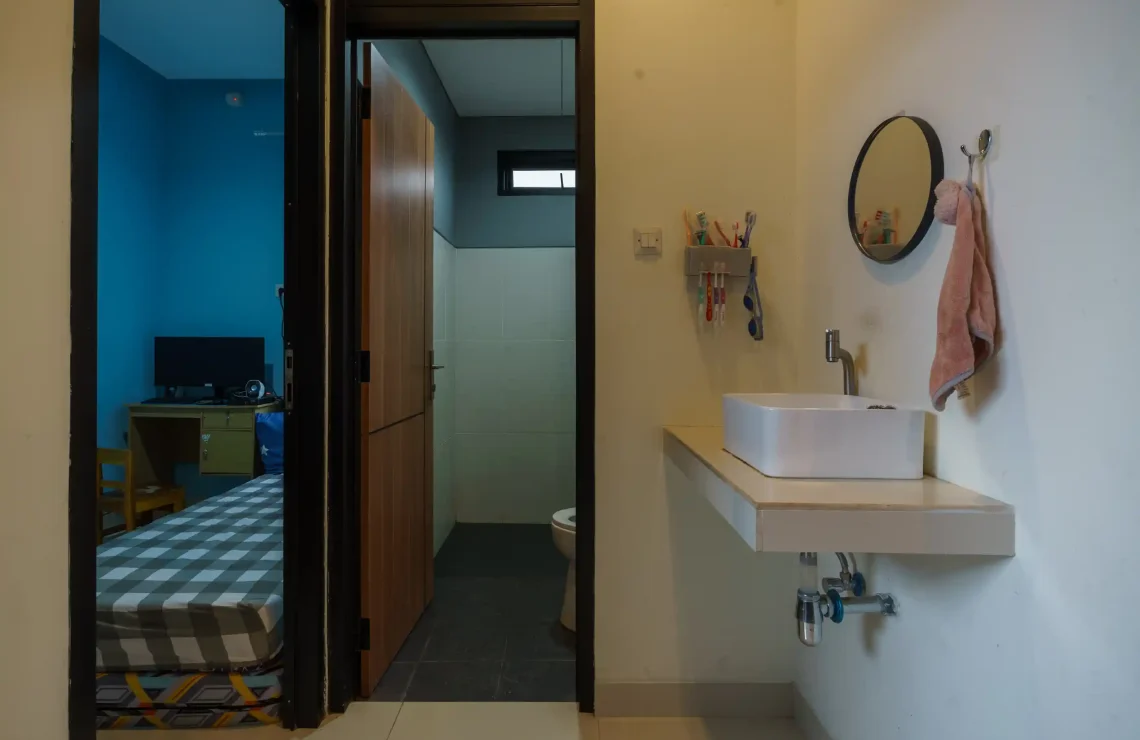
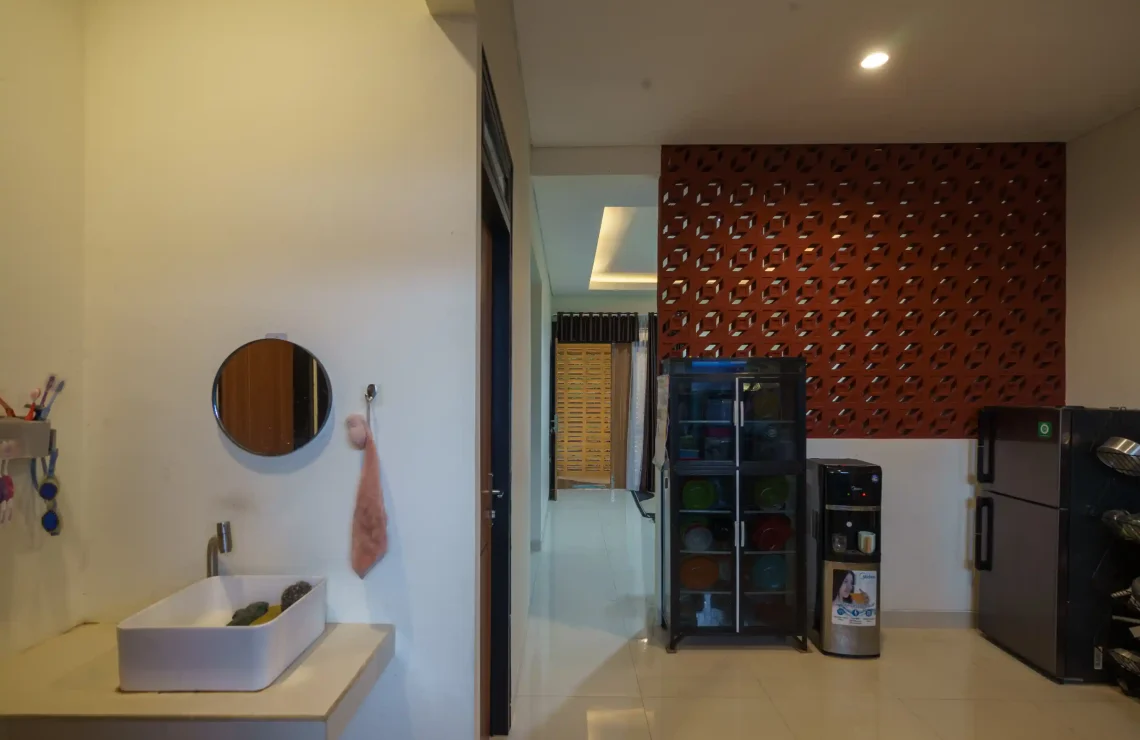
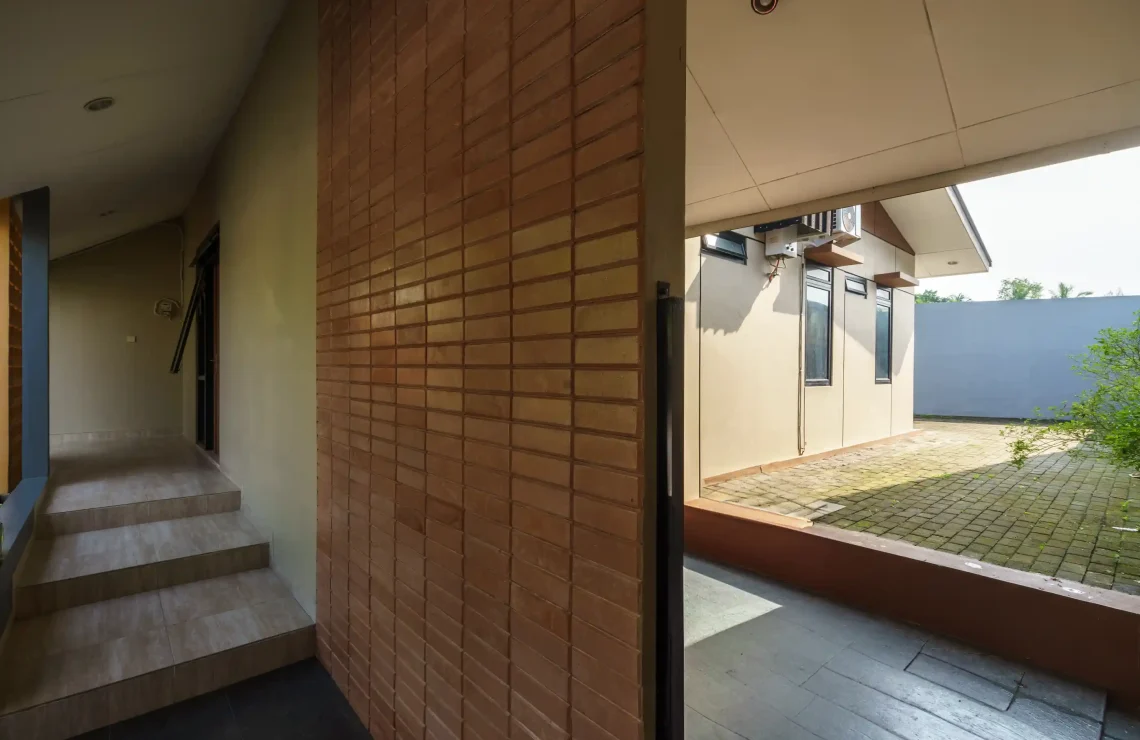
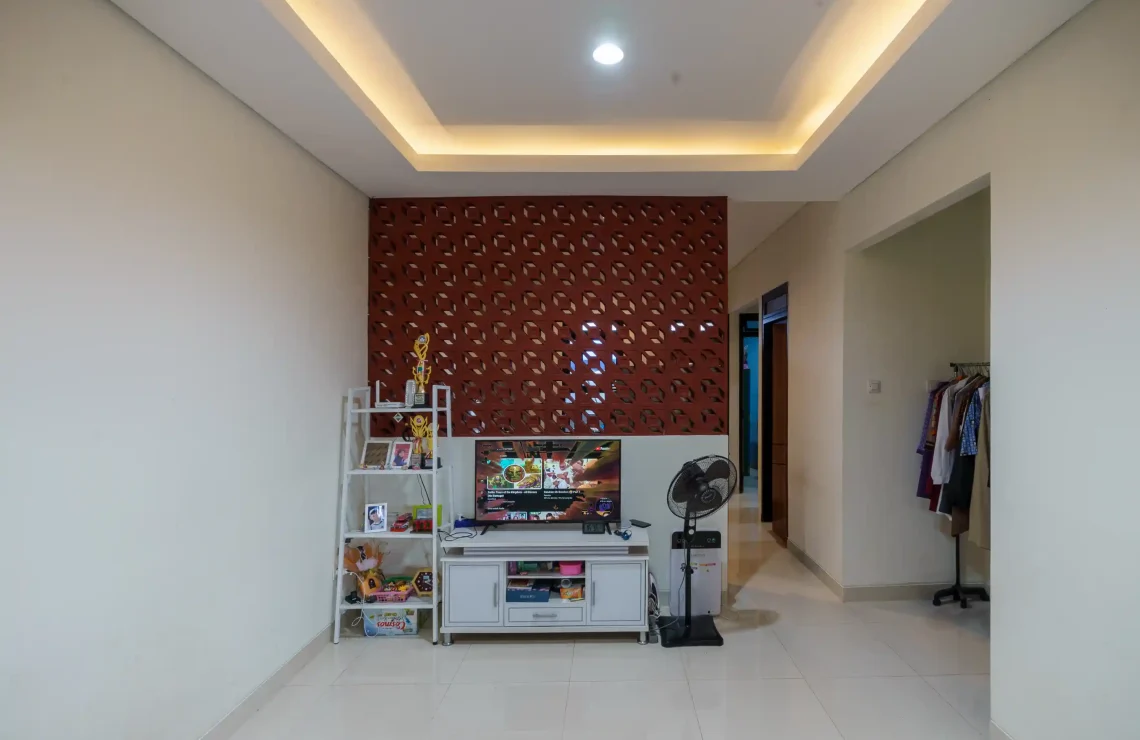
The site condition presented both an opportunity and a challenge. Although situated within a housing development, the direct connection to the surrounding rice fields encouraged YPA Architecture Studio to establish a stronger relationship between the house and its natural context. With a relatively compact building area of 80 m², the interior was organized through simple and interconnected spaces to create a sense of openness without relying on excessive partitions. This approach allows the limited floor area to remain visually connected and adaptable to everyday activities.
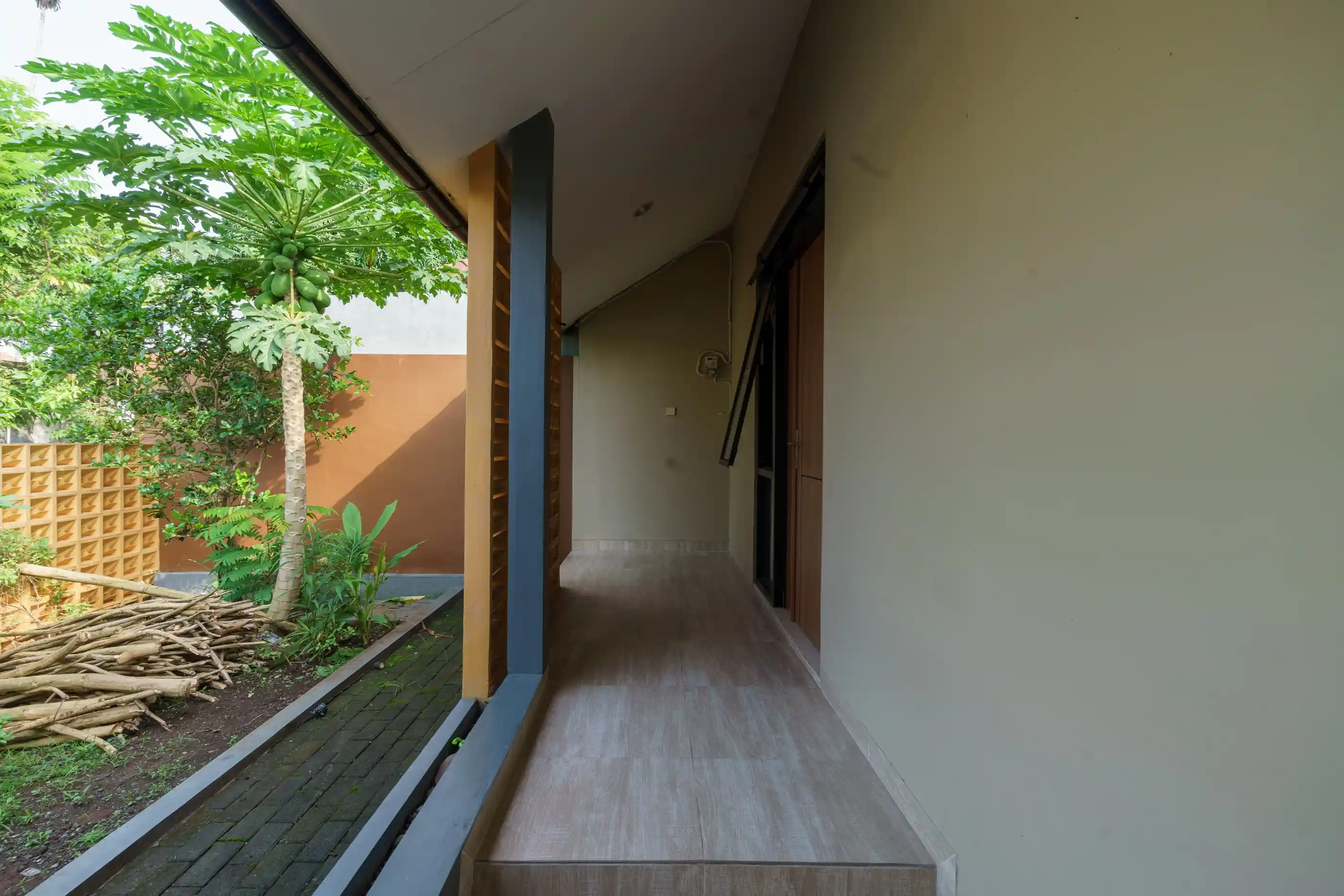
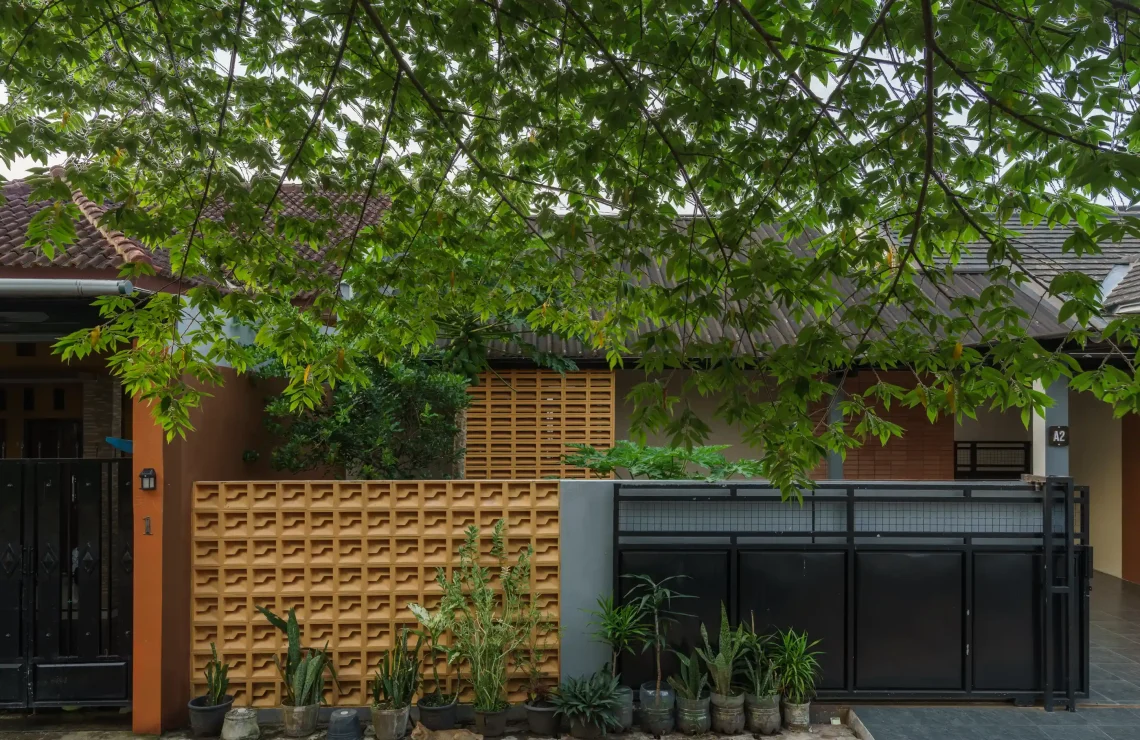
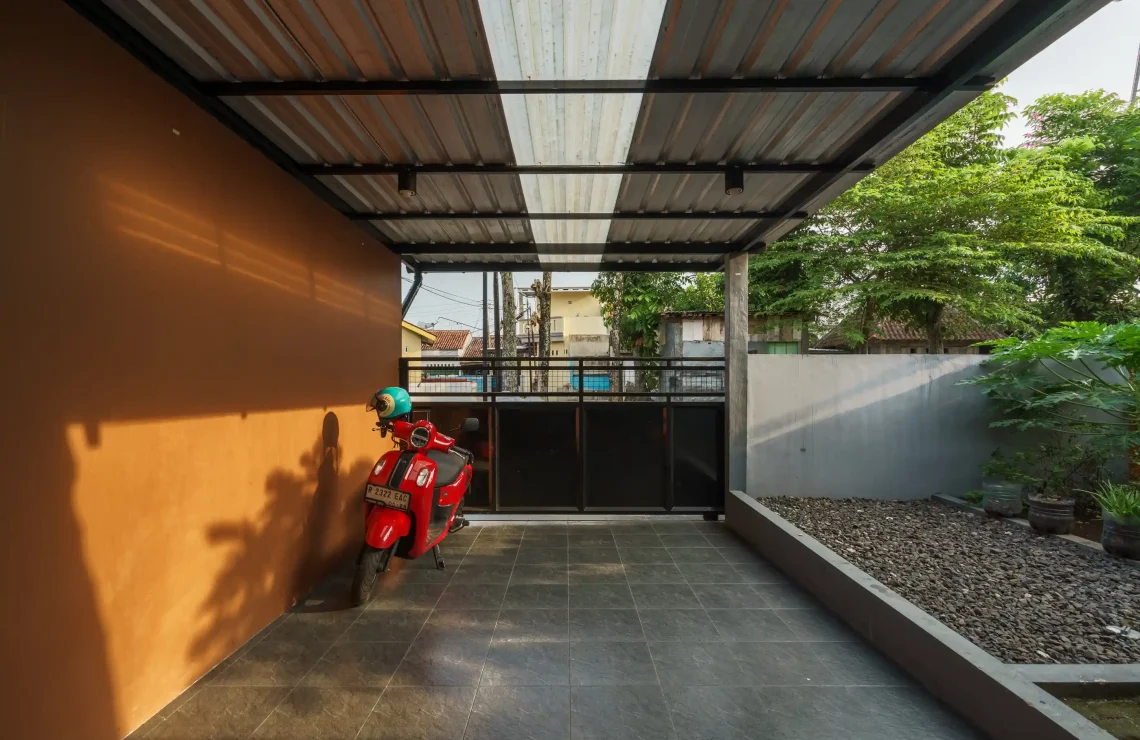
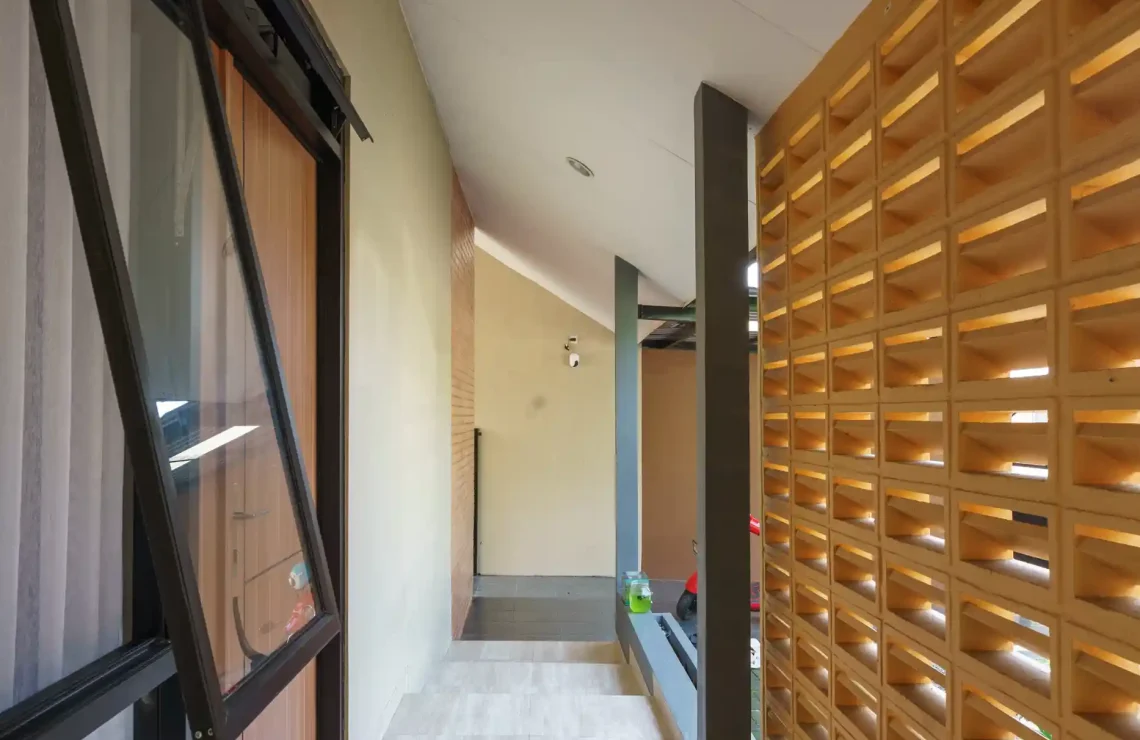
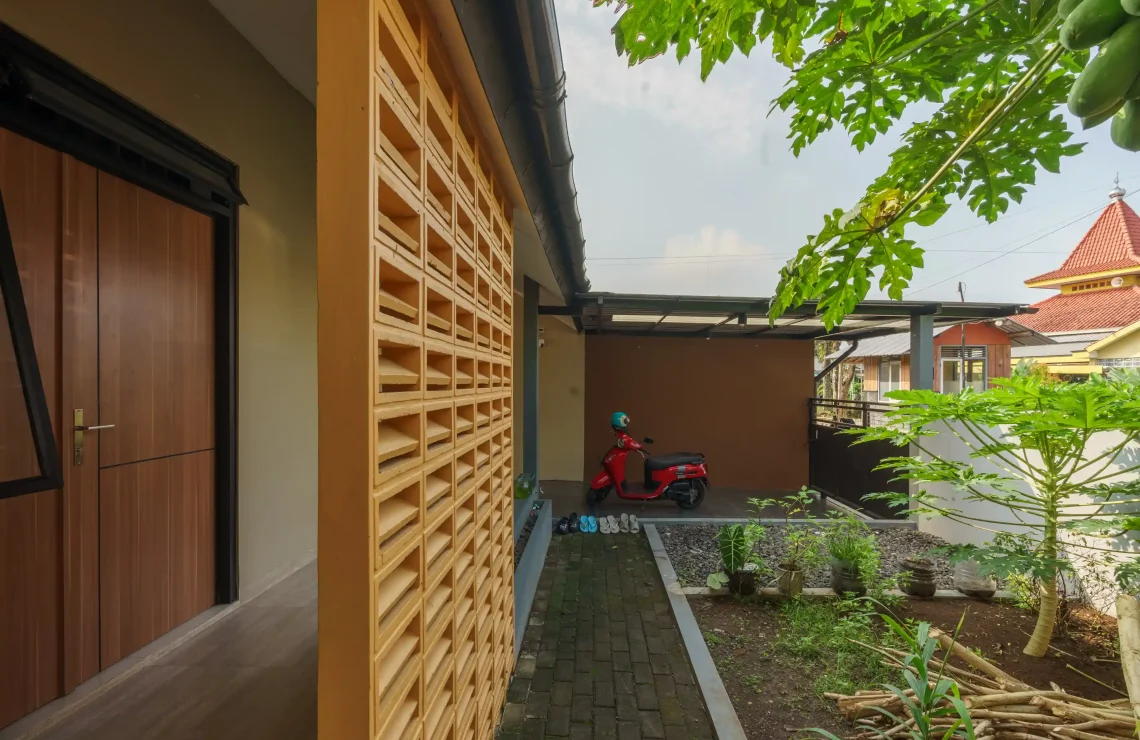
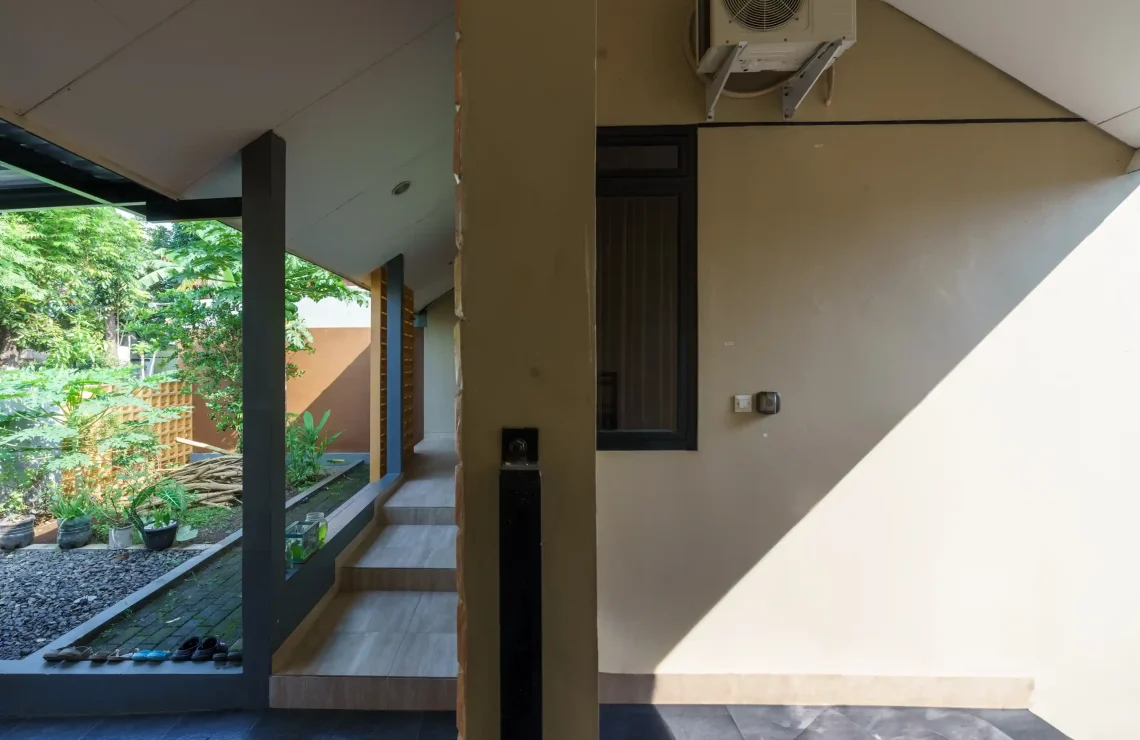
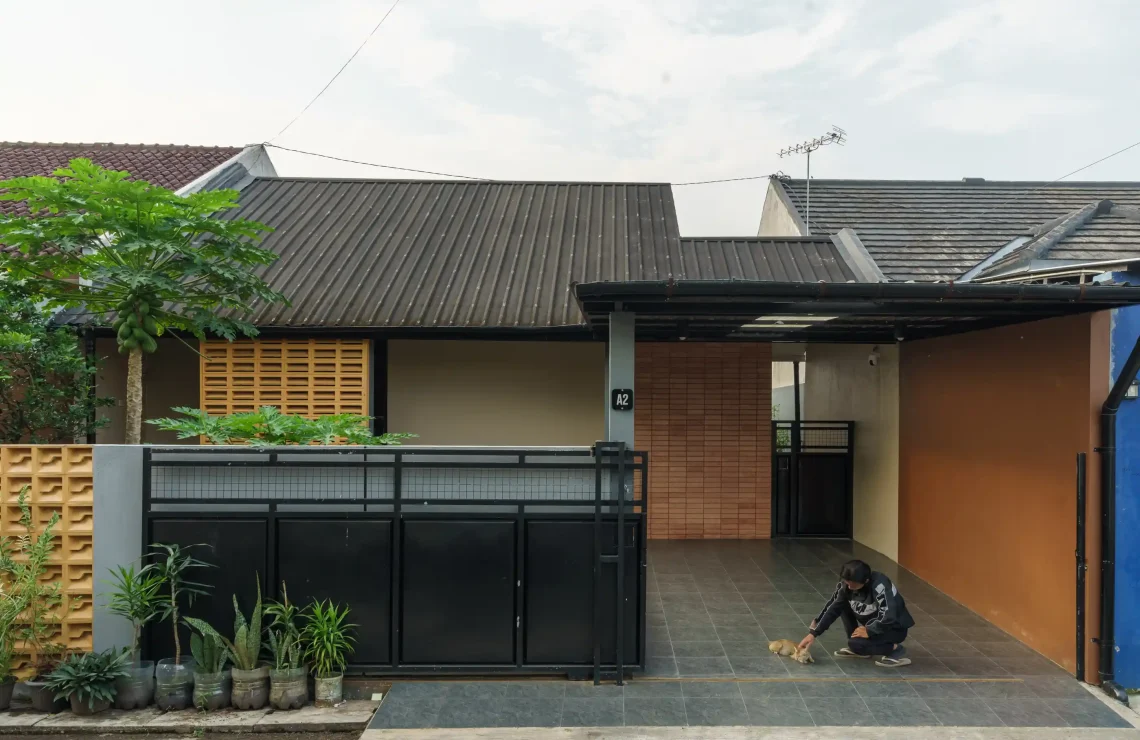
The spatial relationship is reinforced through the extensive use of openings. Natural light is brought deep into the house, while cross ventilation helps maintain airflow and thermal comfort. The terrace is extended beyond its conventional function as an entrance area and becomes an important social space for the family. It provides a place for the owners to interact with neighbors, gather with family members, and supervise children while they play. In this way, the terrace acts as an intermediate zone between the domestic interior and the surrounding environment.
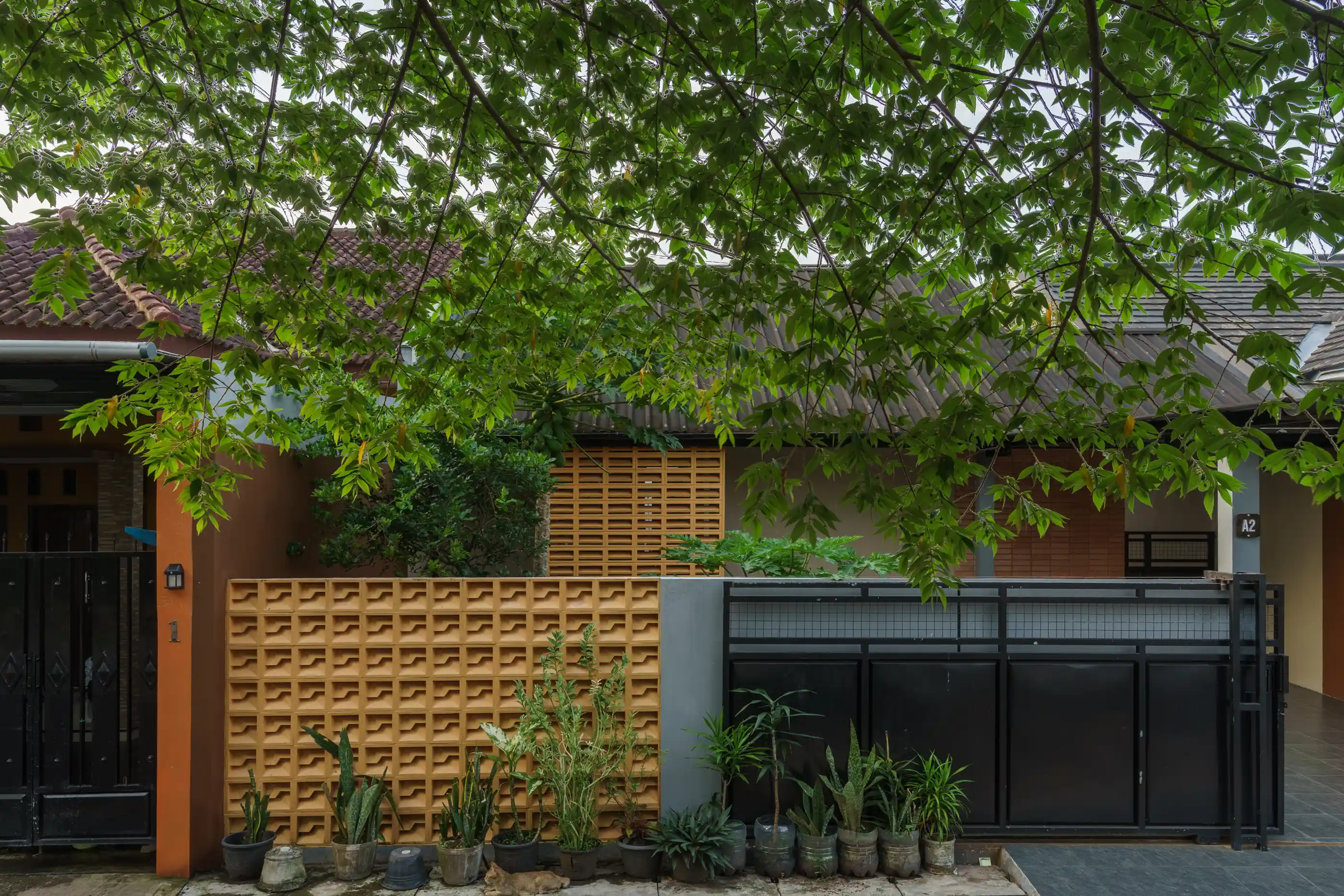
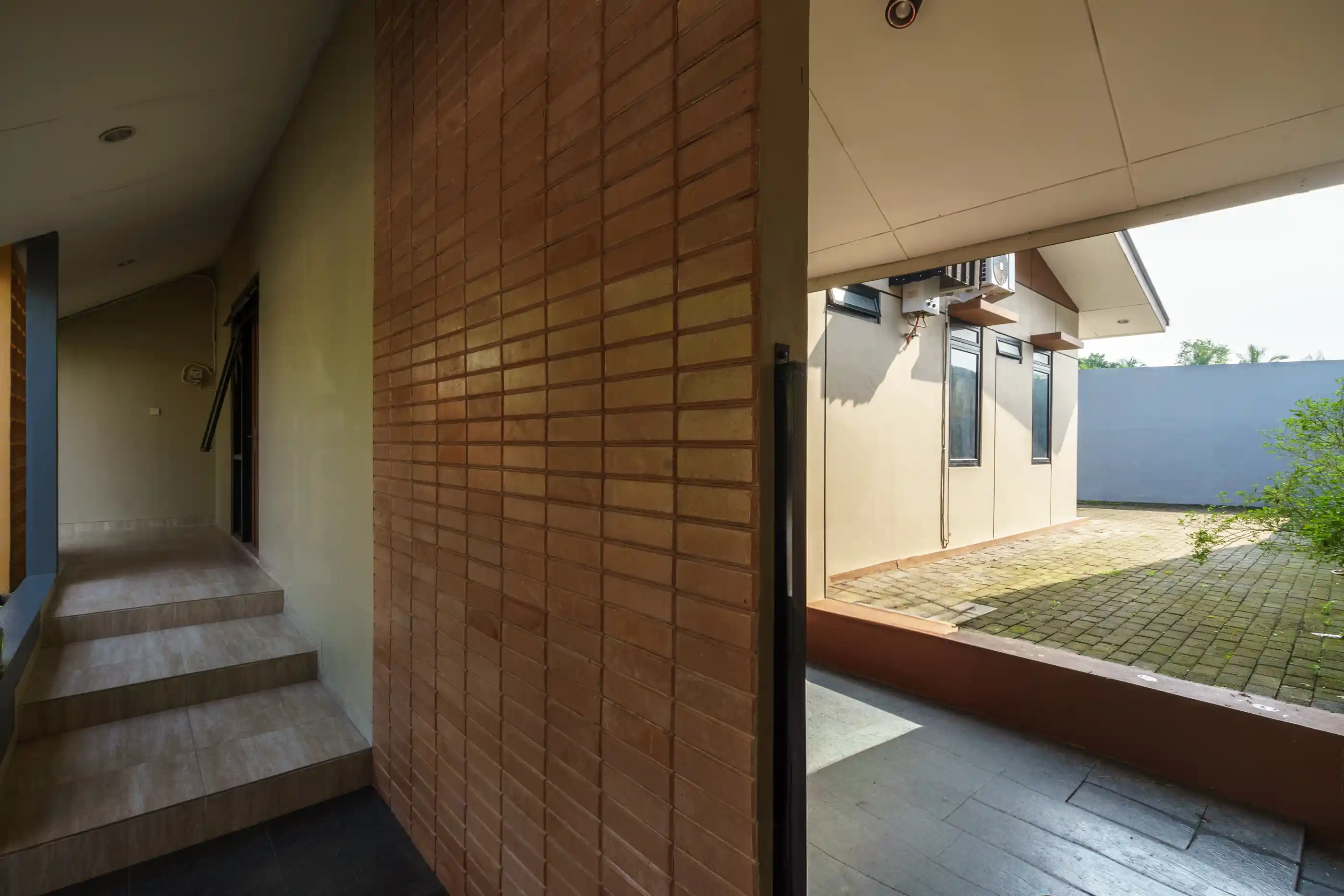
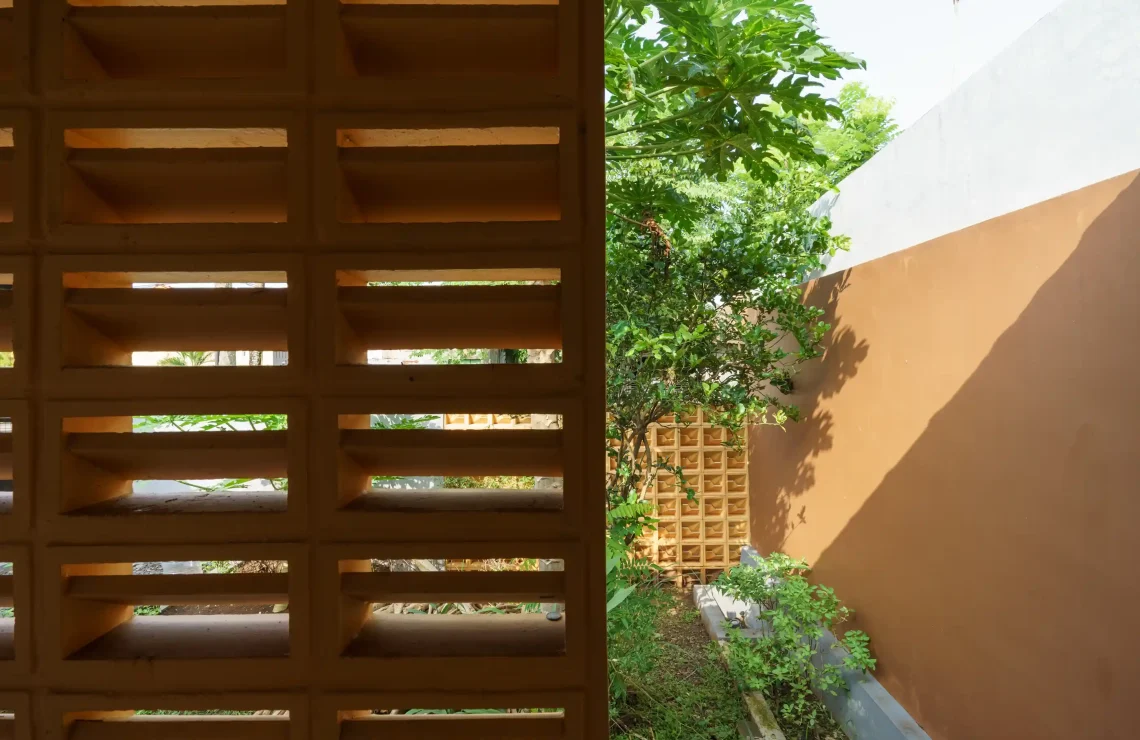
Climate responsiveness also informs the selection of architectural elements and materials. Locally available materials were chosen to maintain a connection with the surrounding context while supporting practical construction considerations. The roof is raised to create additional air volume above the occupied spaces, helping reduce heat accumulation within the house. Roster is used selectively as an exterior accent rather than as a continuous architectural layer. Its application considers privacy as well as practical concerns such as potential pest entry and rain splash. Additional insect screening is introduced to preserve ventilation while improving the protection of the interior environment.
From the beginning, the house was also planned with future family needs in mind. The design process involved continuous communication between the architects and the owners, particularly in balancing spatial requirements with the available budget. The structure and overall planning allow the house to be expanded into a two-storey residence when the family’s needs increase. This incremental approach enables future growth without requiring all potential requirements to be built from the outset.
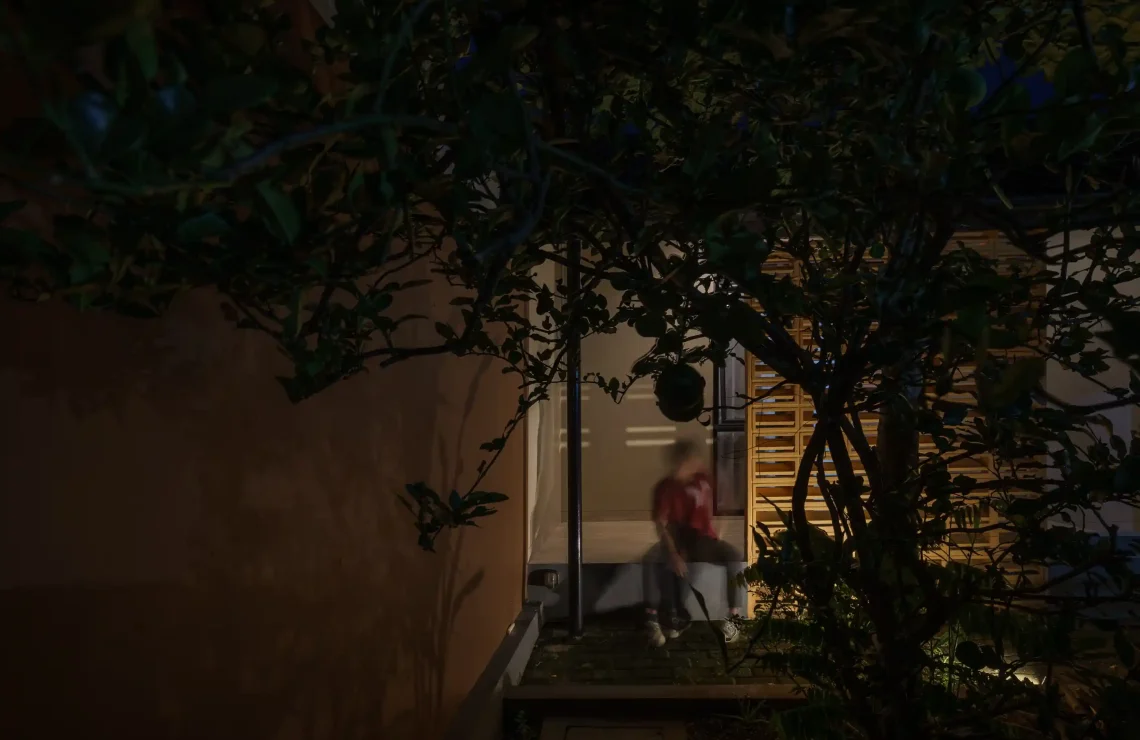
Mahardhika House is therefore often described as a “House of Hobbies,” reflecting its ability to accommodate not only the basic functions of living but also the personal activities that shape the owners’ everyday life. Gardening becomes an integral part of the domestic experience, while the interior and transitional spaces support family interaction, social gatherings, and engagement with the surrounding landscape. In use, the owners have also experienced the house as a healthy and comfortable environment, supported by abundant natural light and spaces that encourage family gatherings. Its distinctive character further makes the house an inviting place for friends to visit.
Ultimately, Mahardhika House considers the home not as an isolated object, but as an evolving framework for the lives of its occupants. By balancing built space with open landscape, establishing strong spatial connections, maximizing natural light and ventilation, and allowing for future expansion, the project creates a dwelling that responds to both present needs and the personal interests that define everyday life.