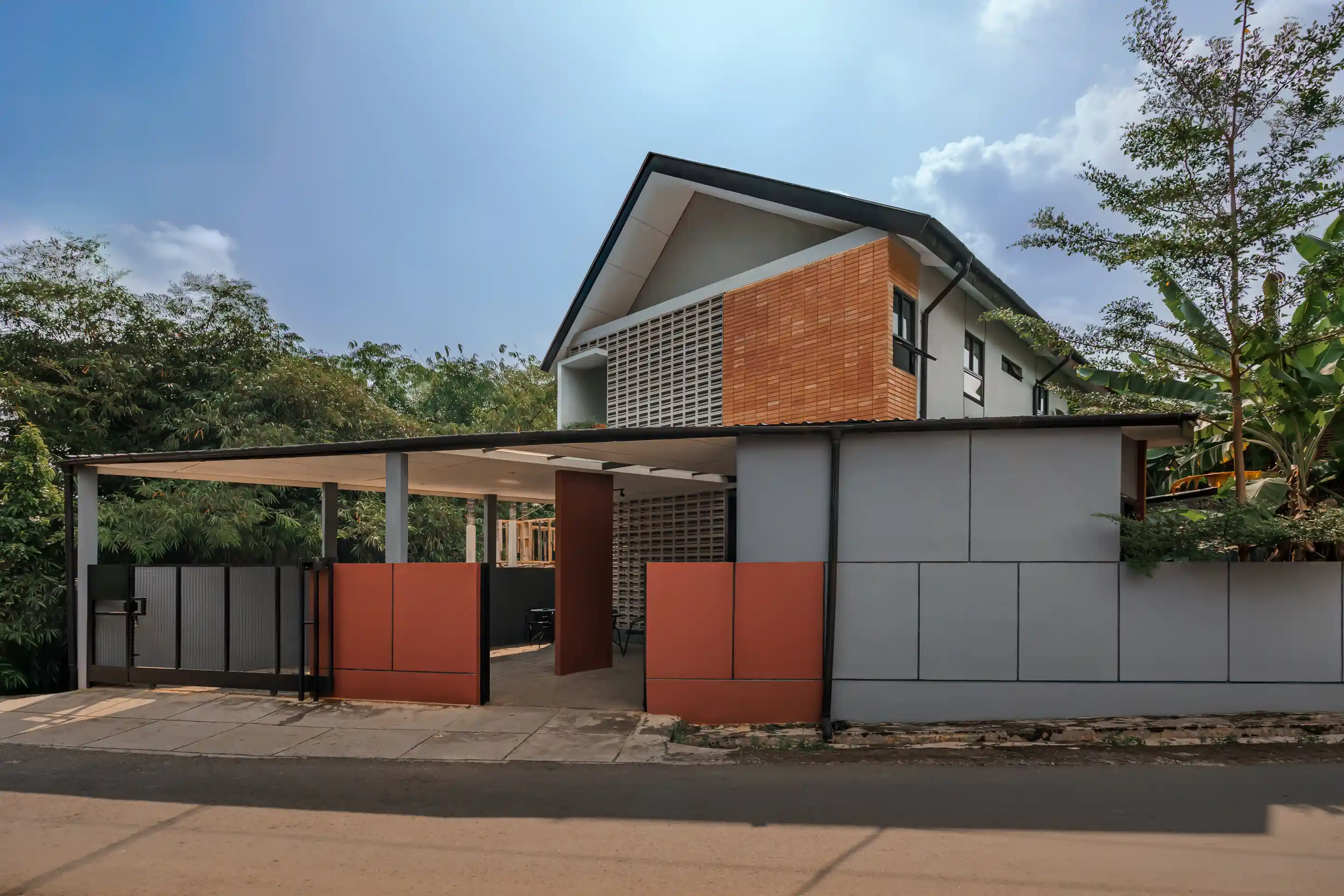
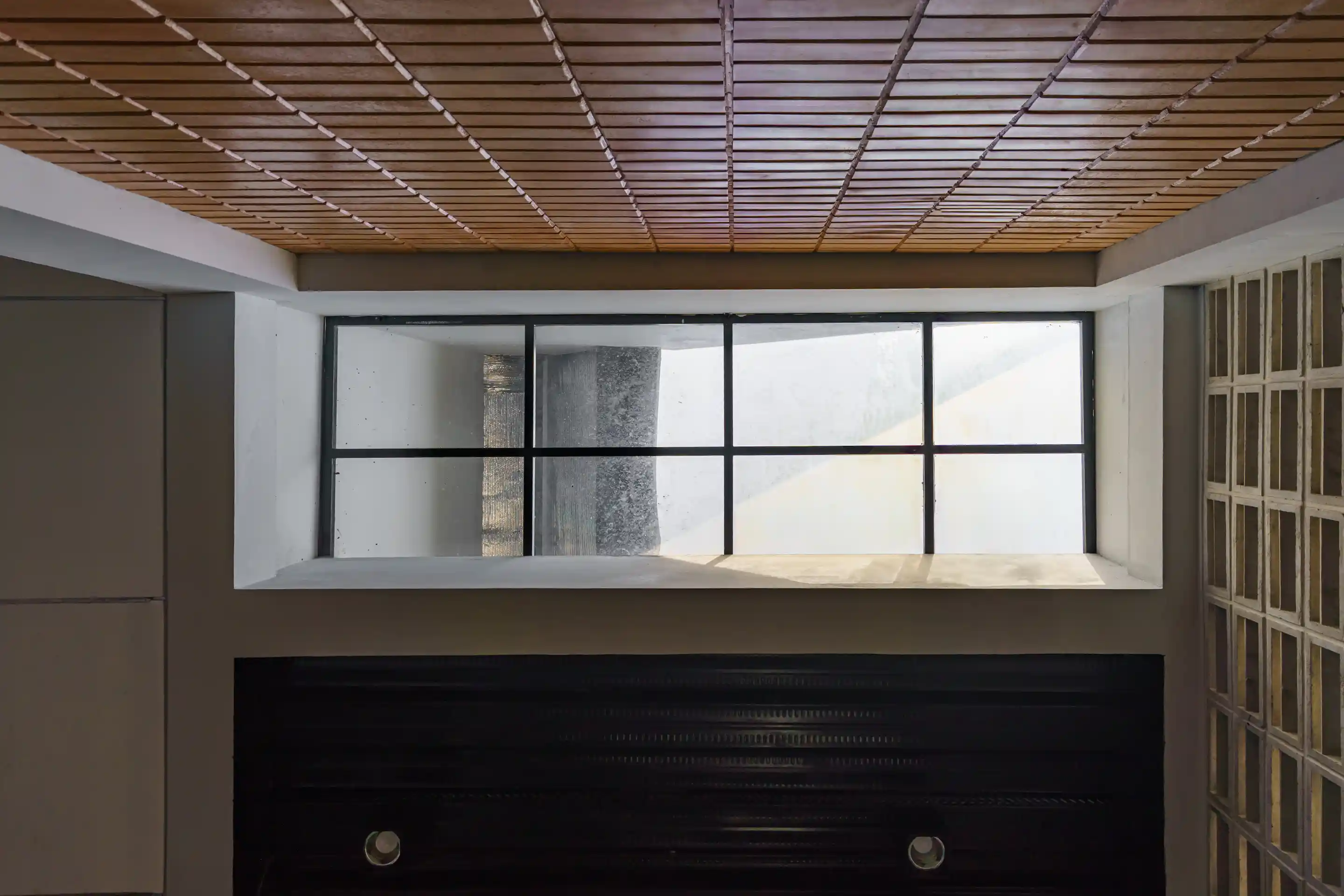
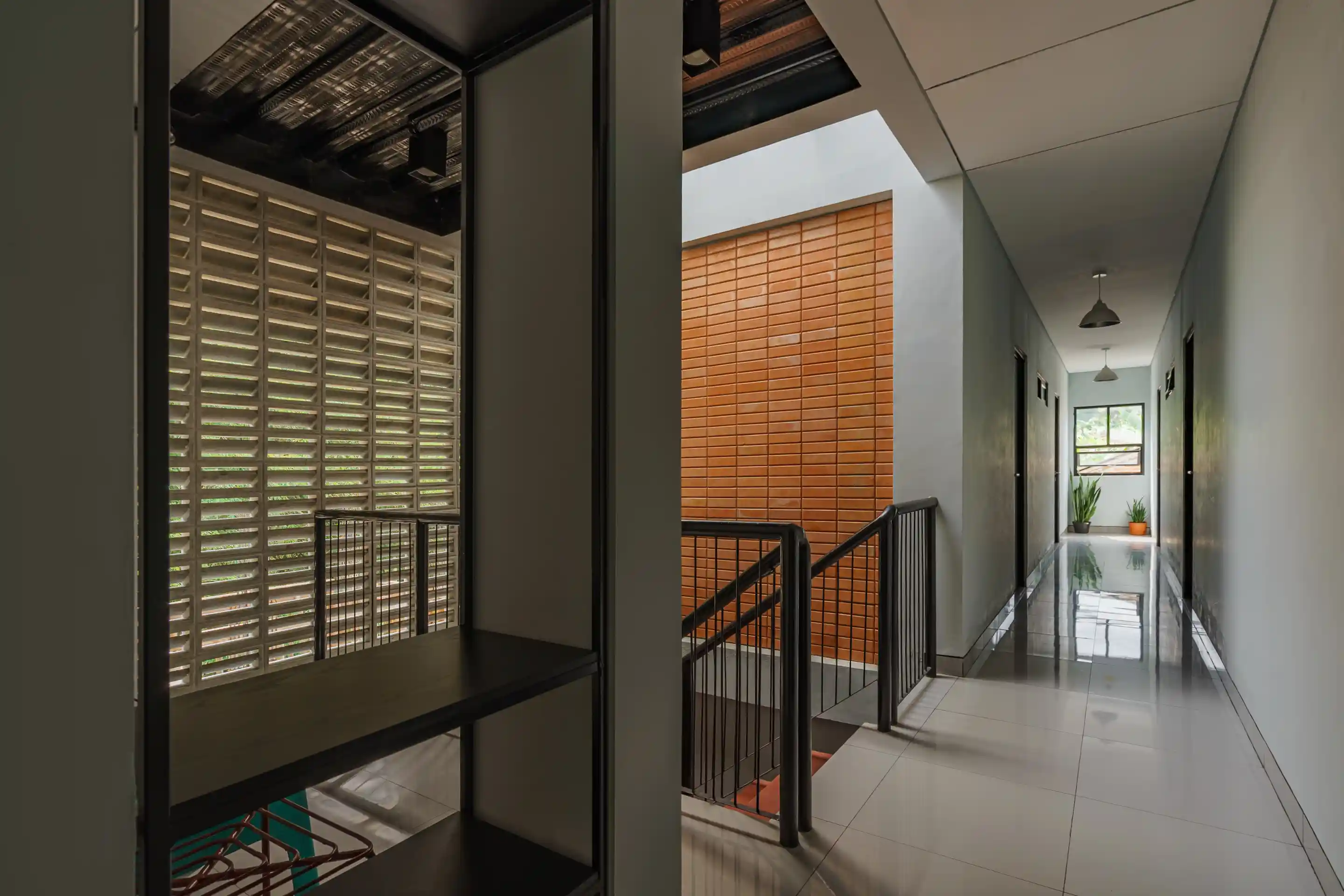
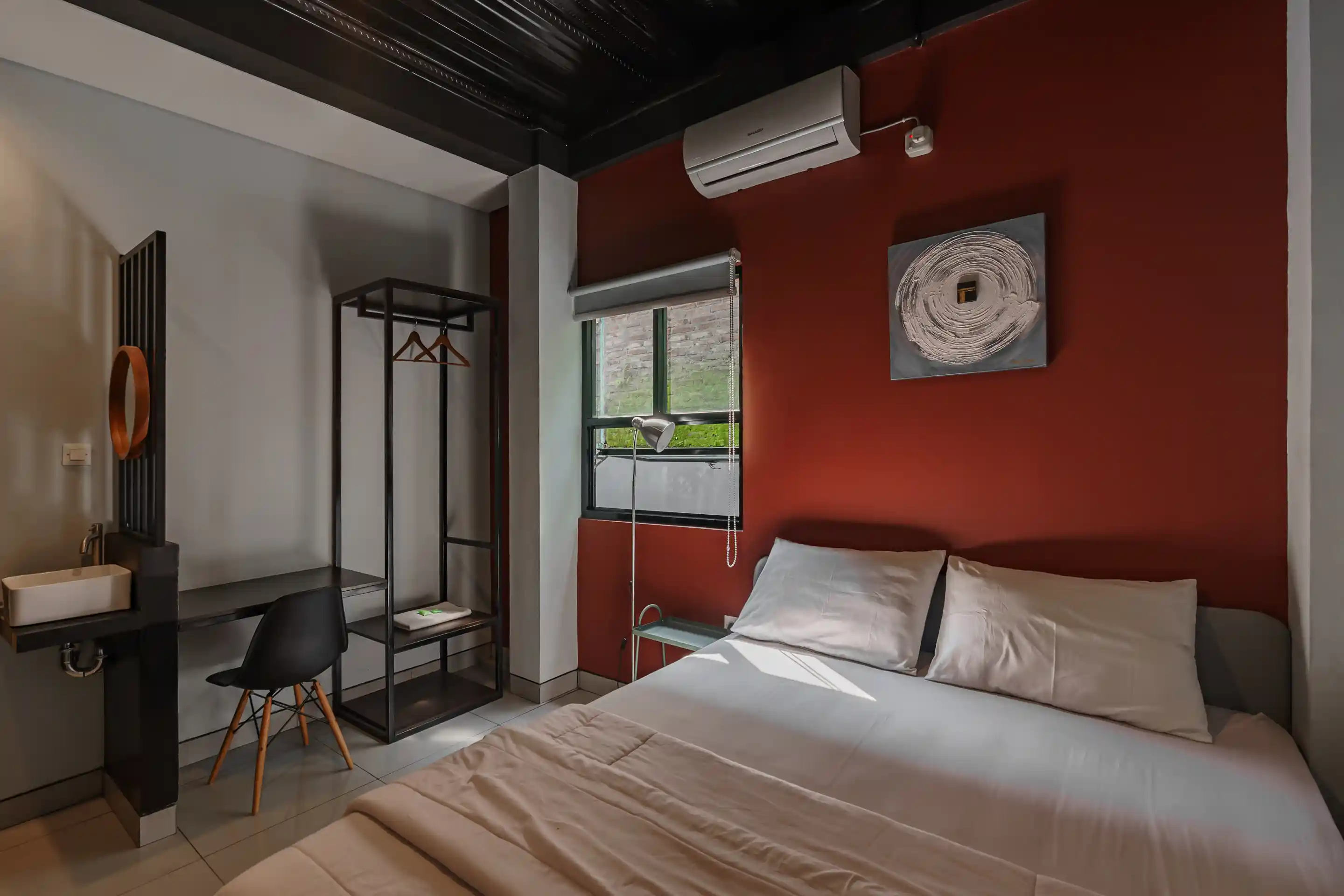
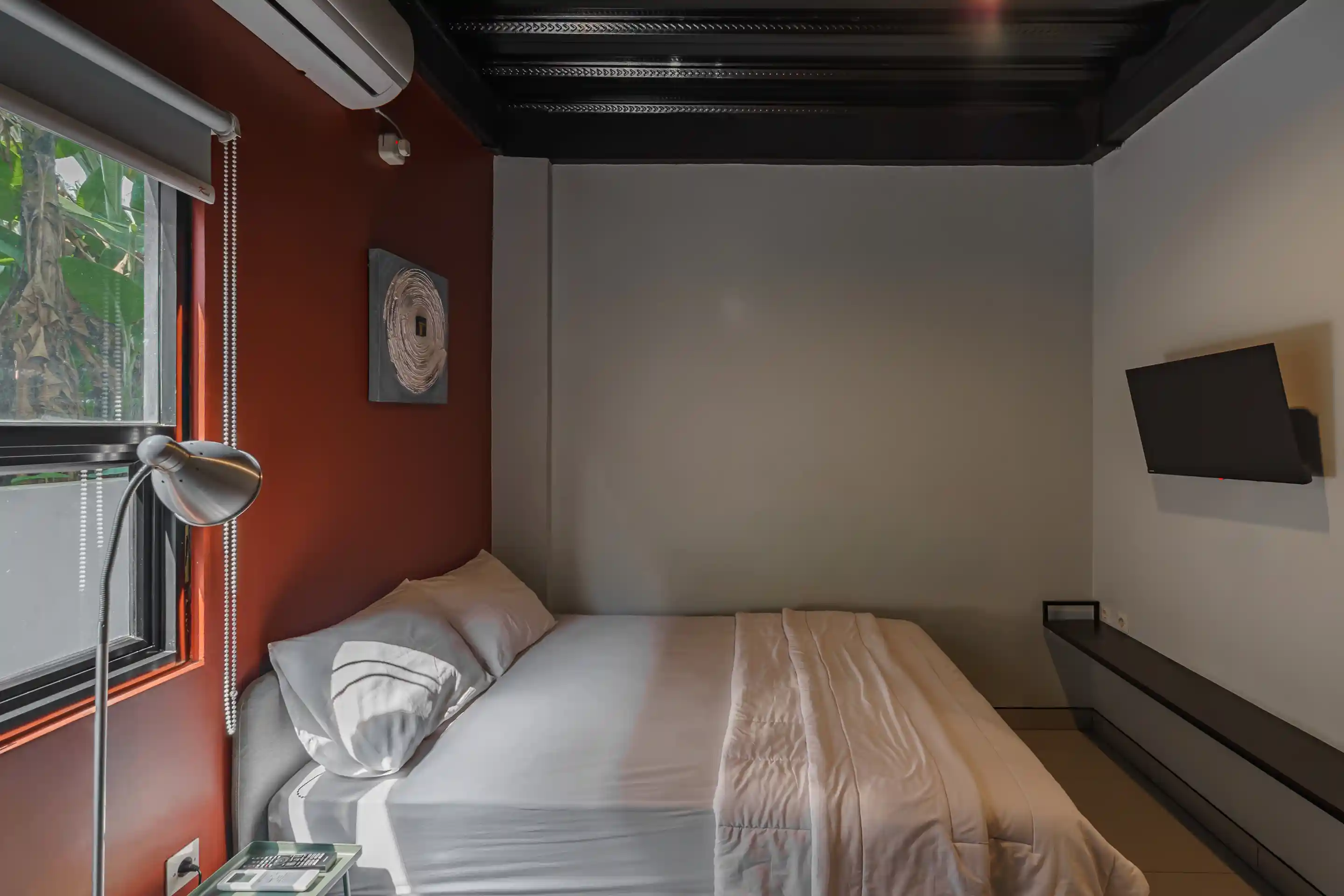
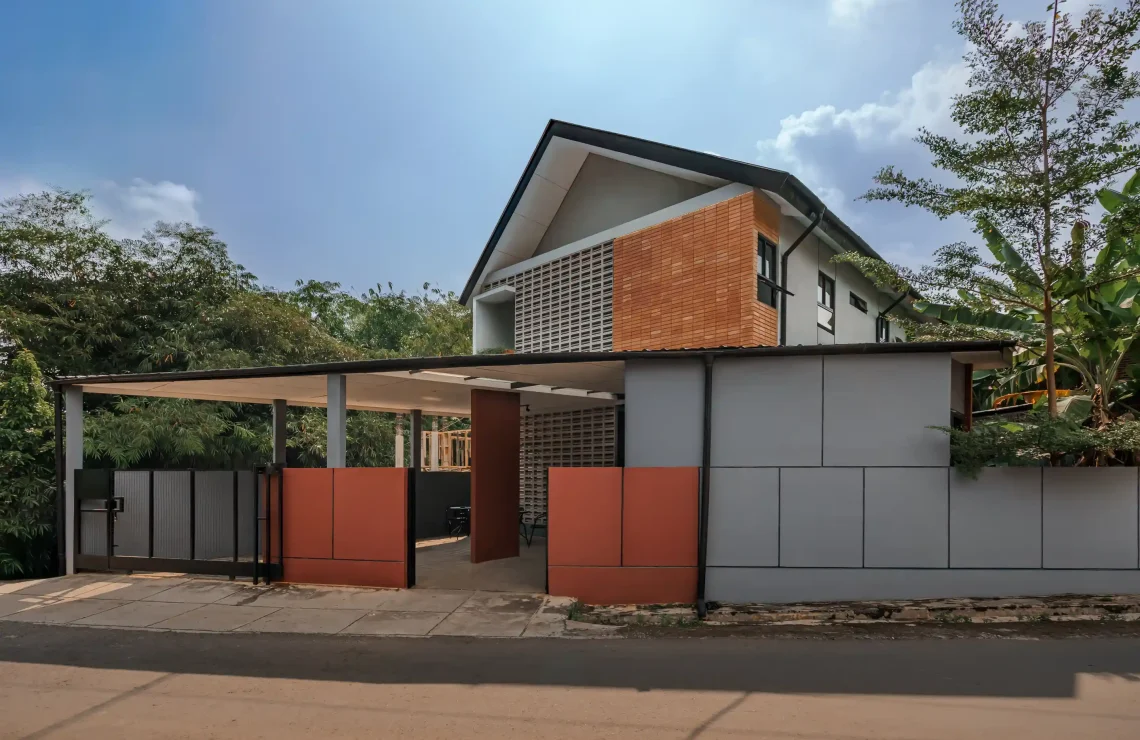
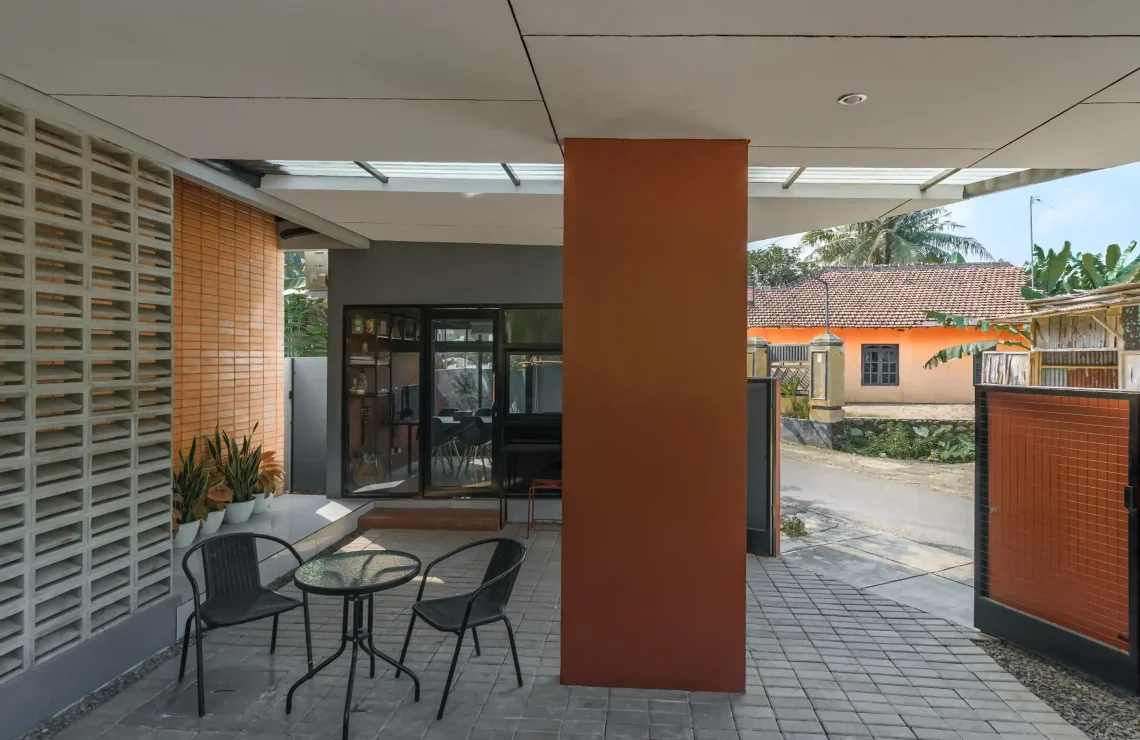
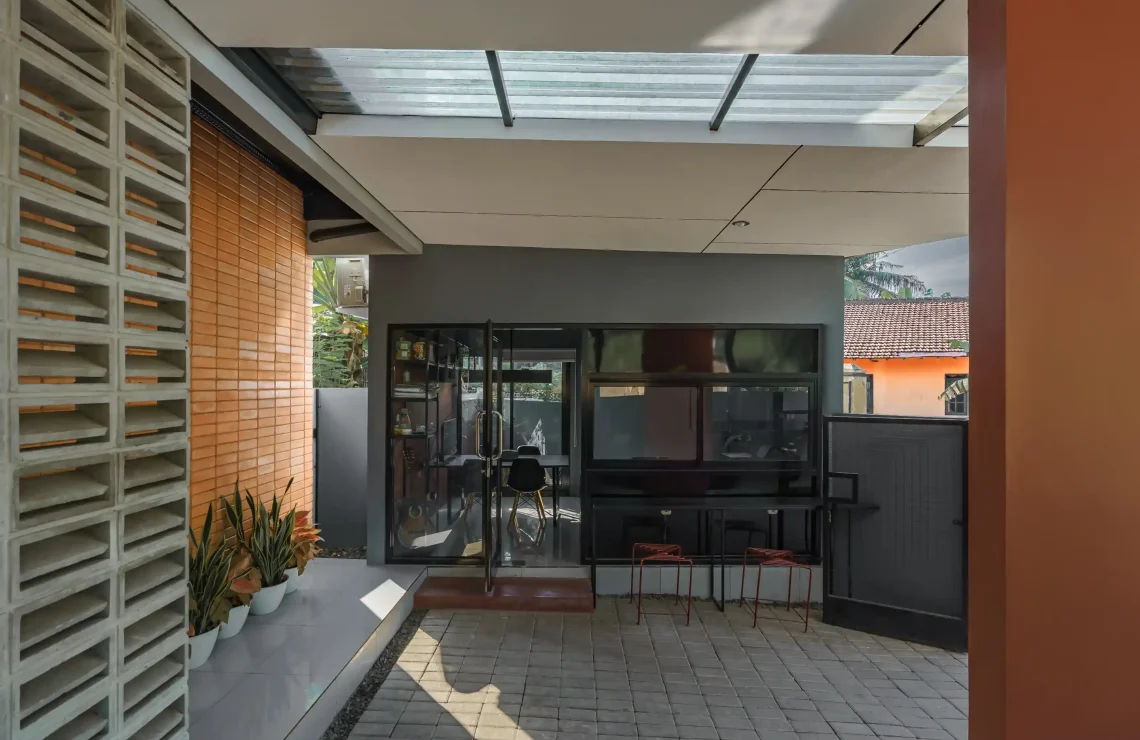
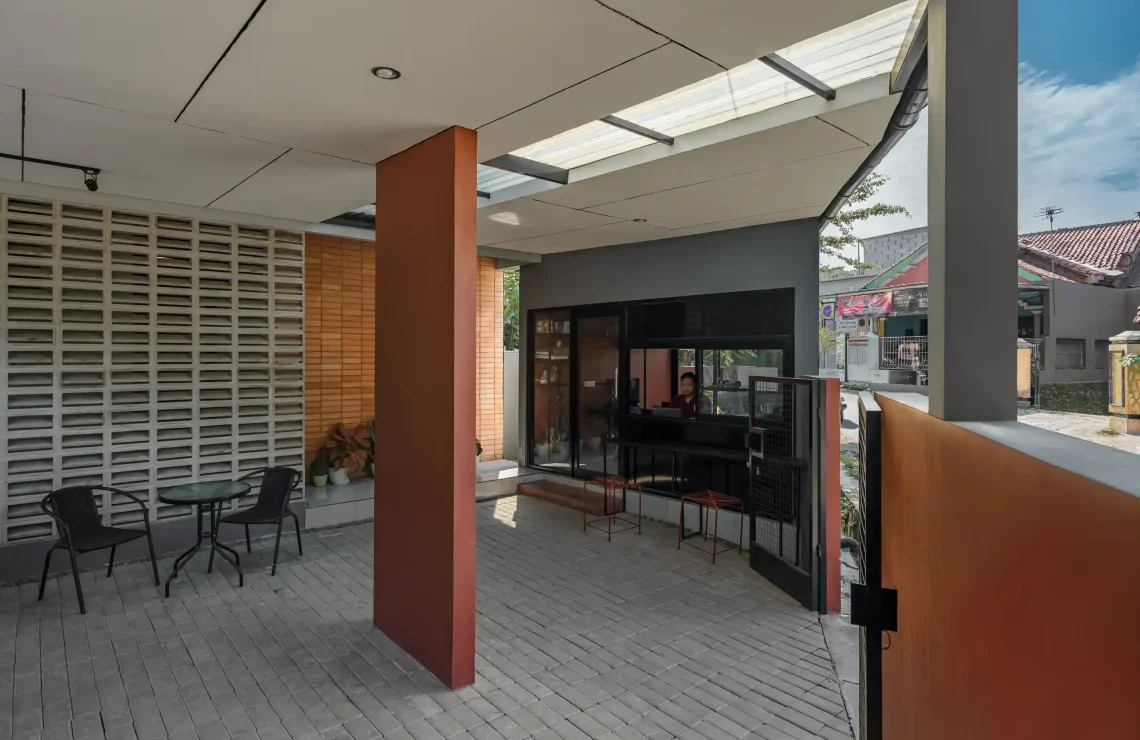
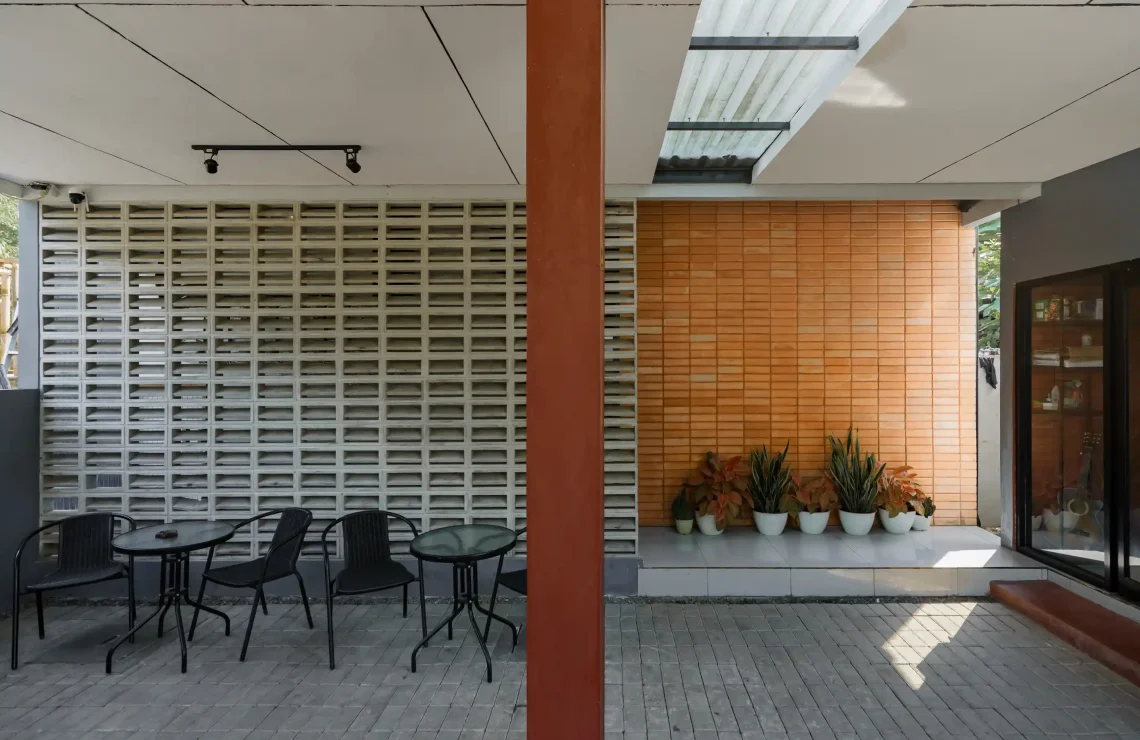
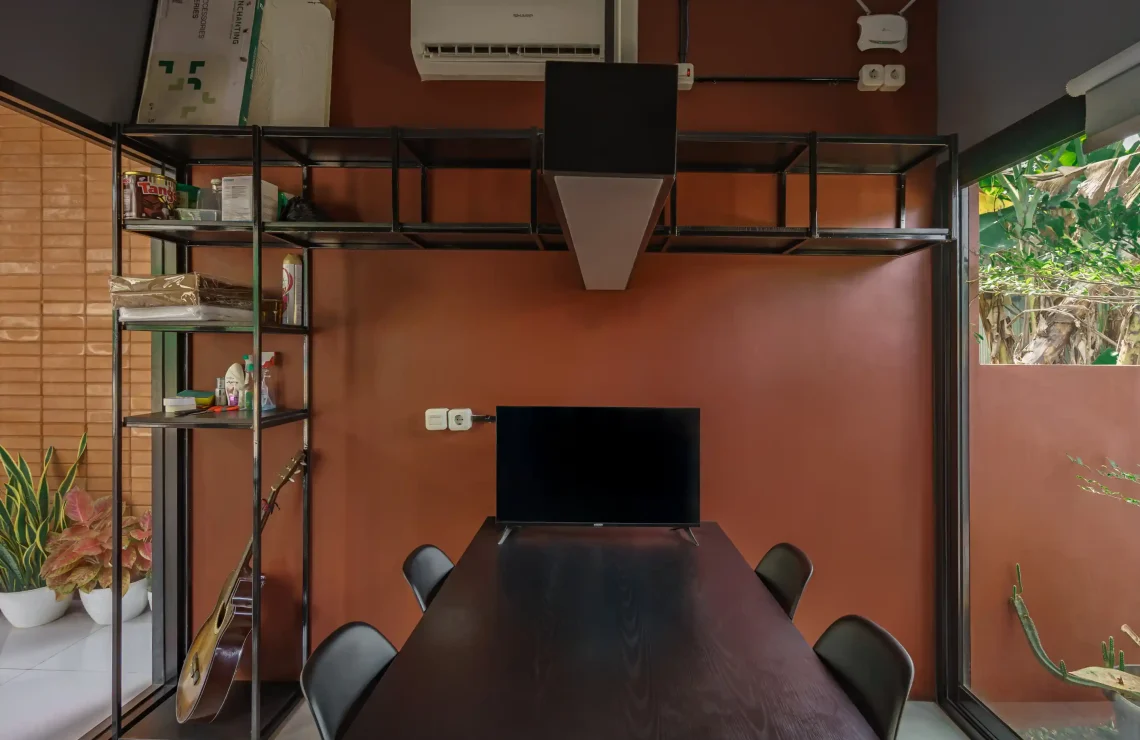
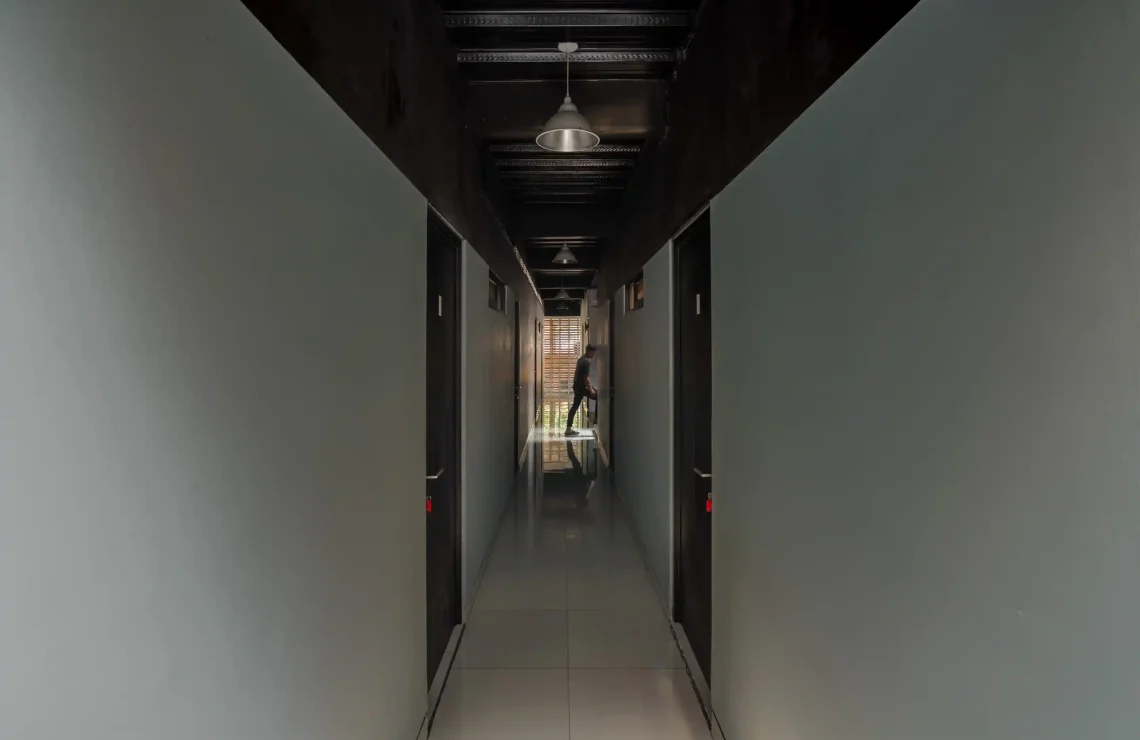
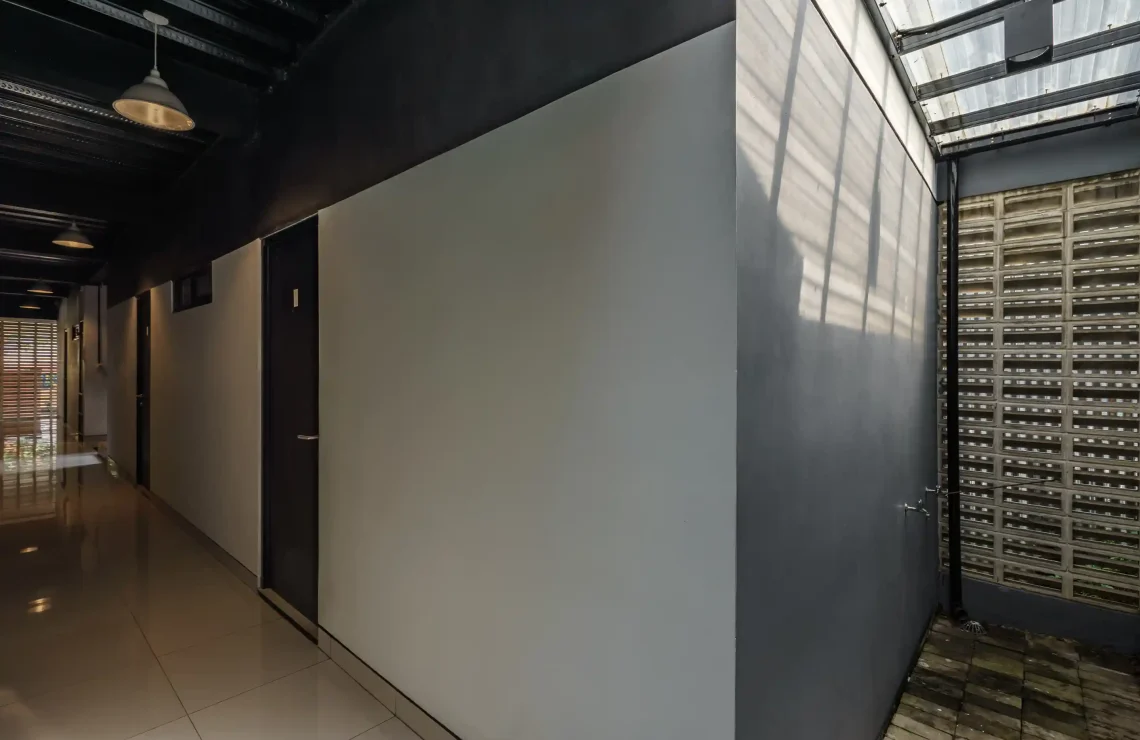
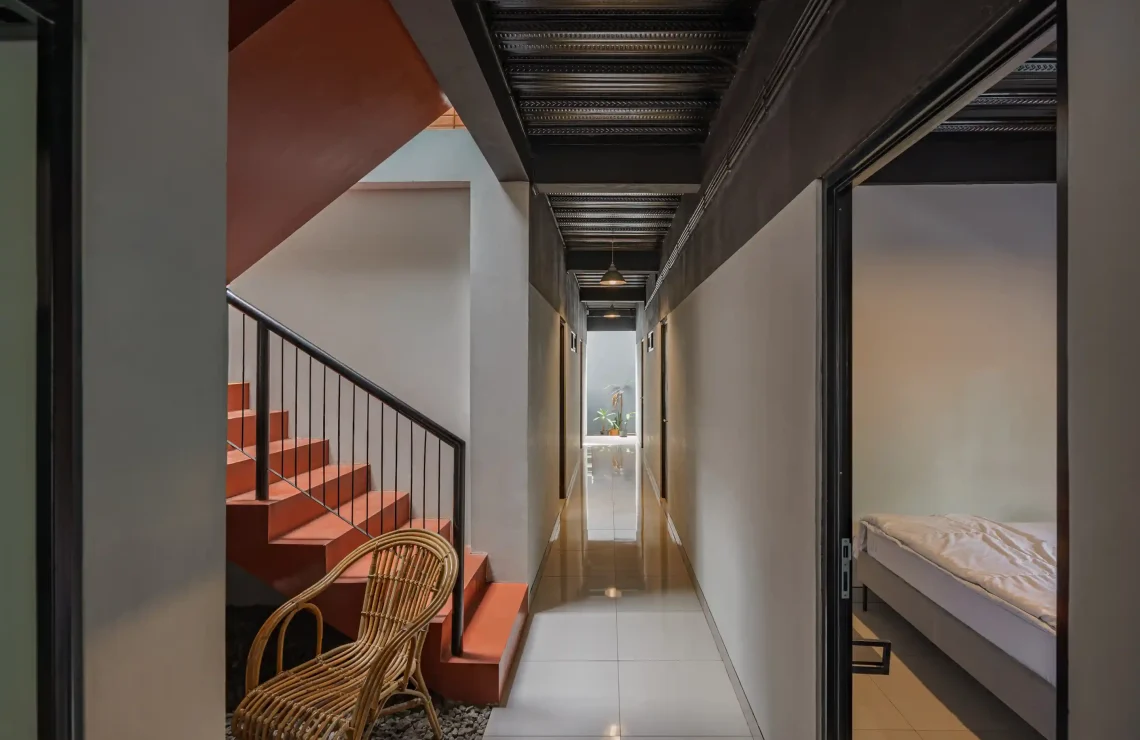
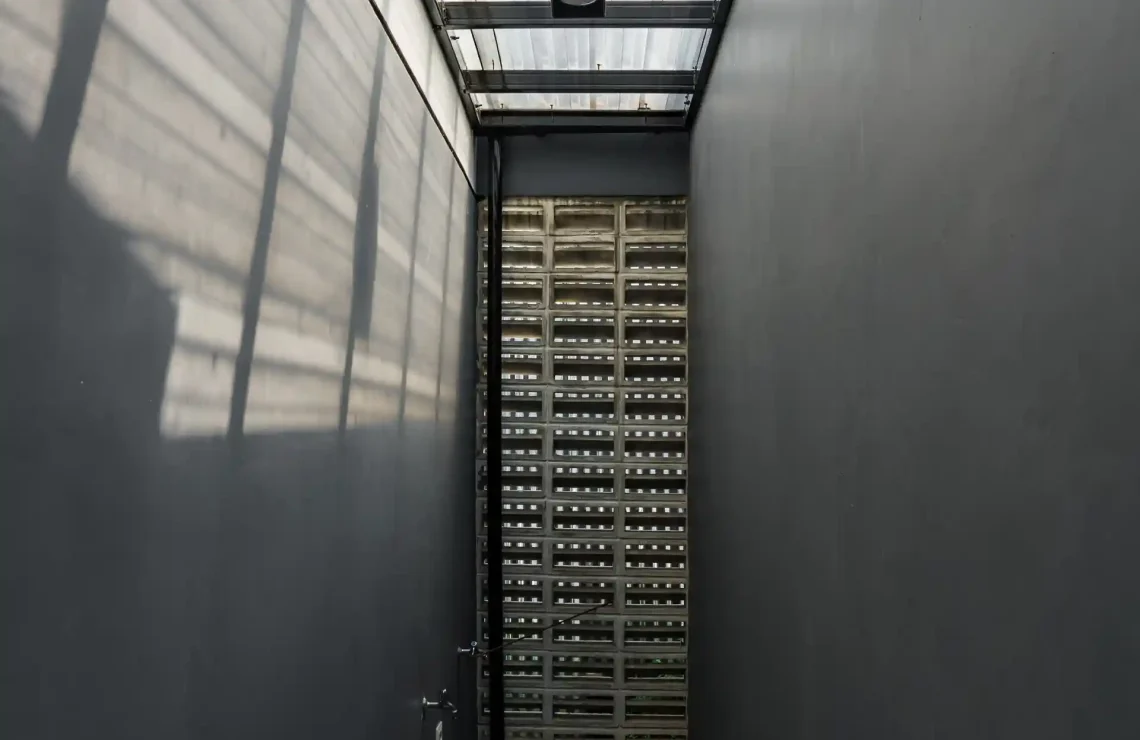
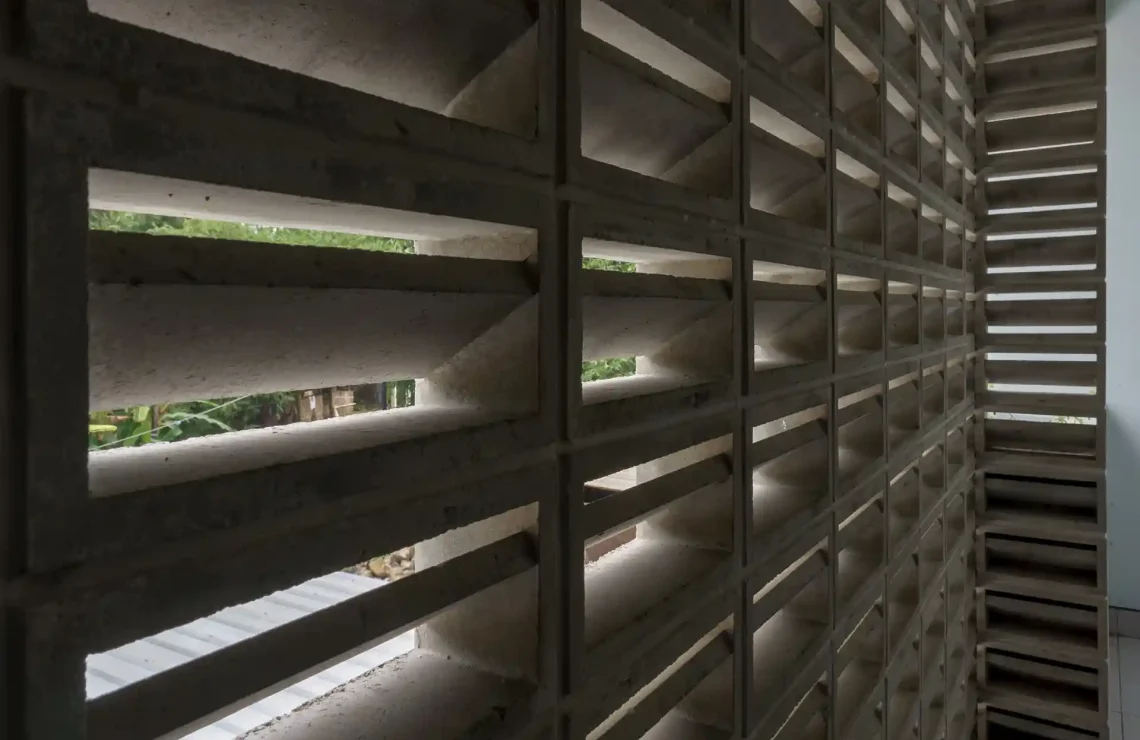
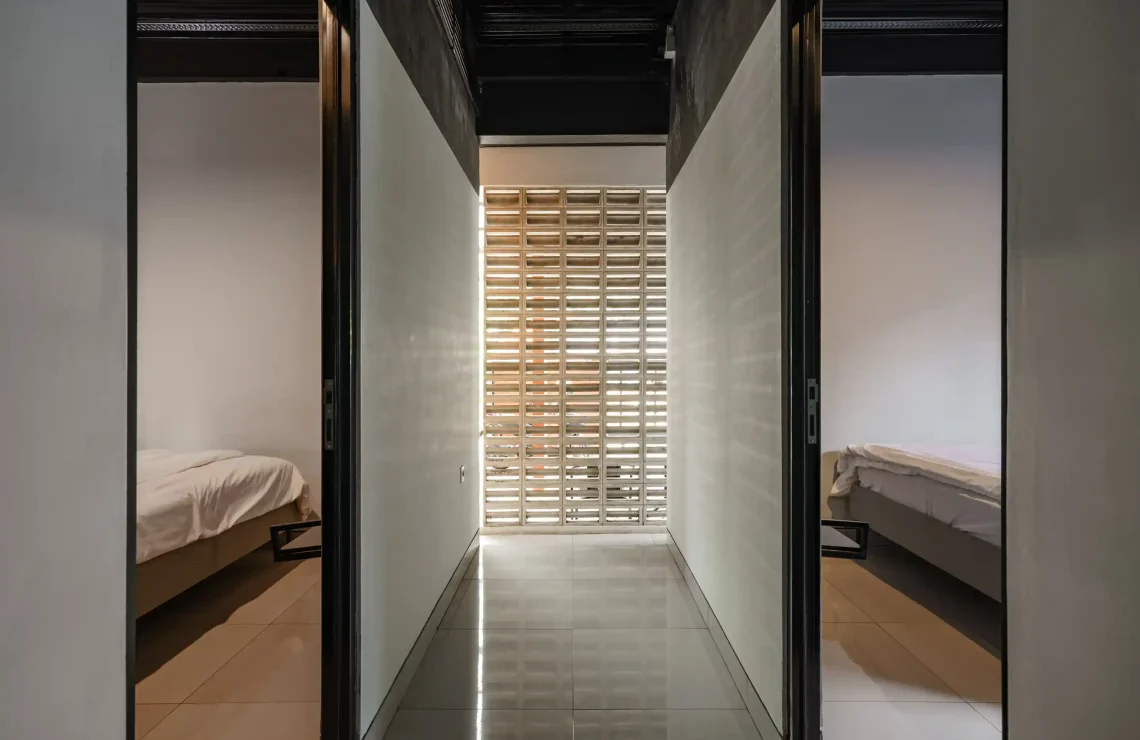
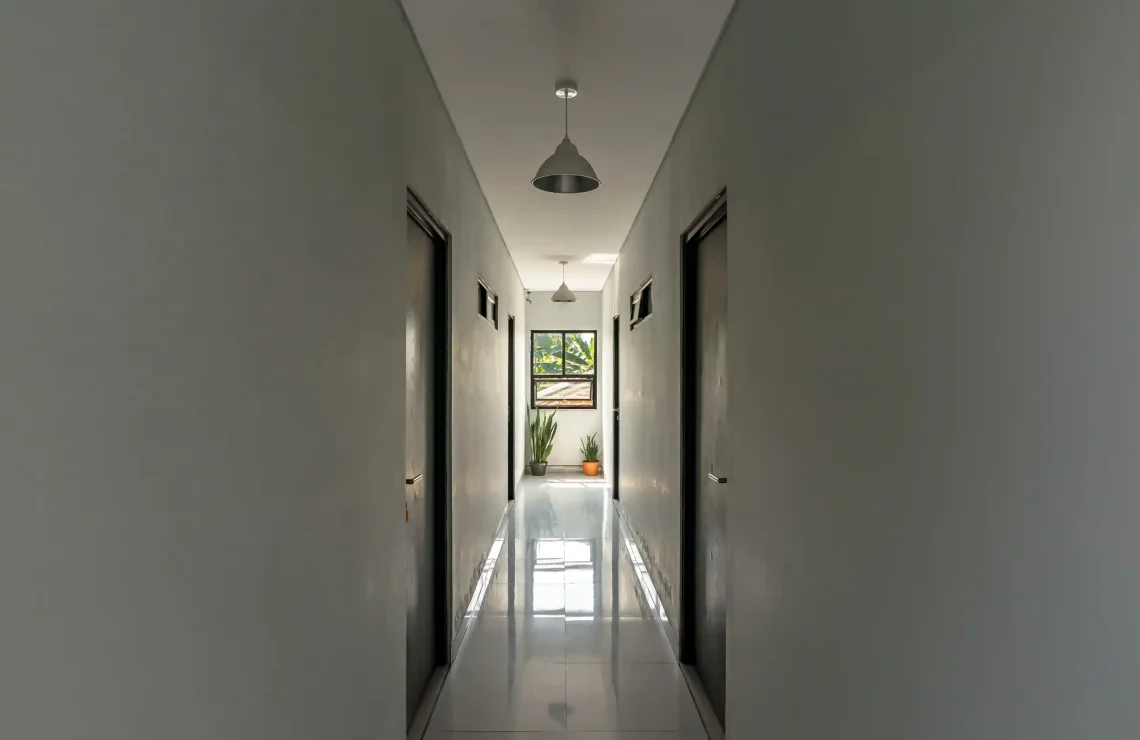
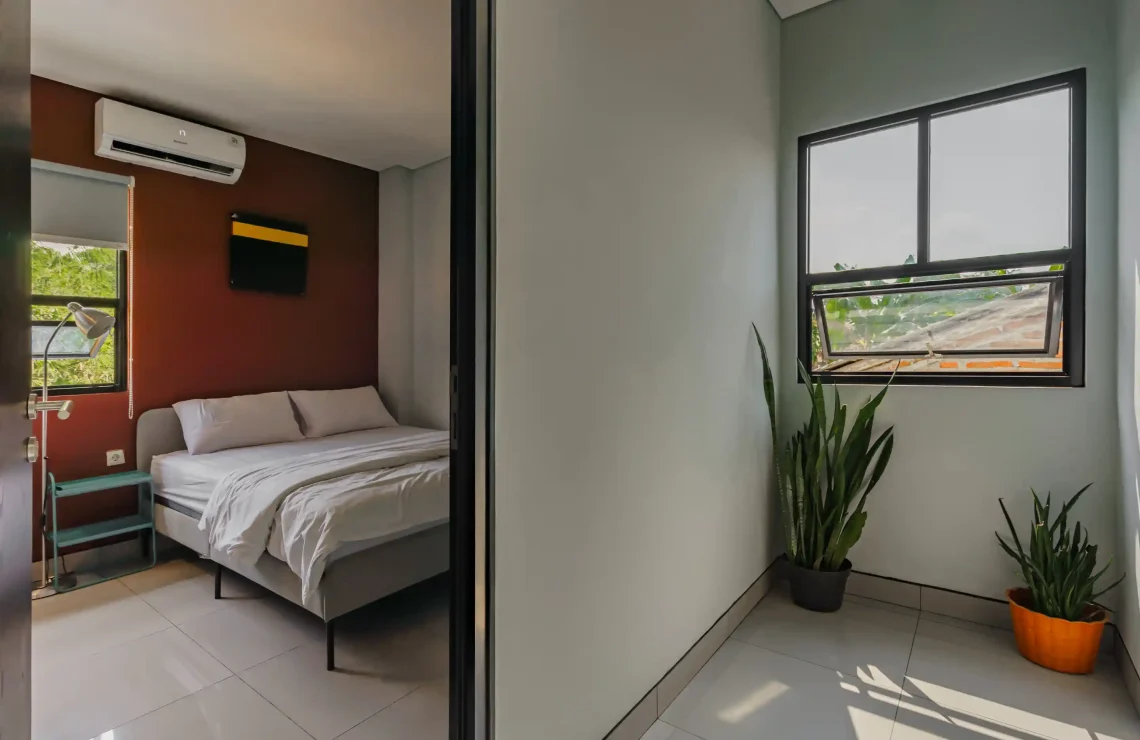
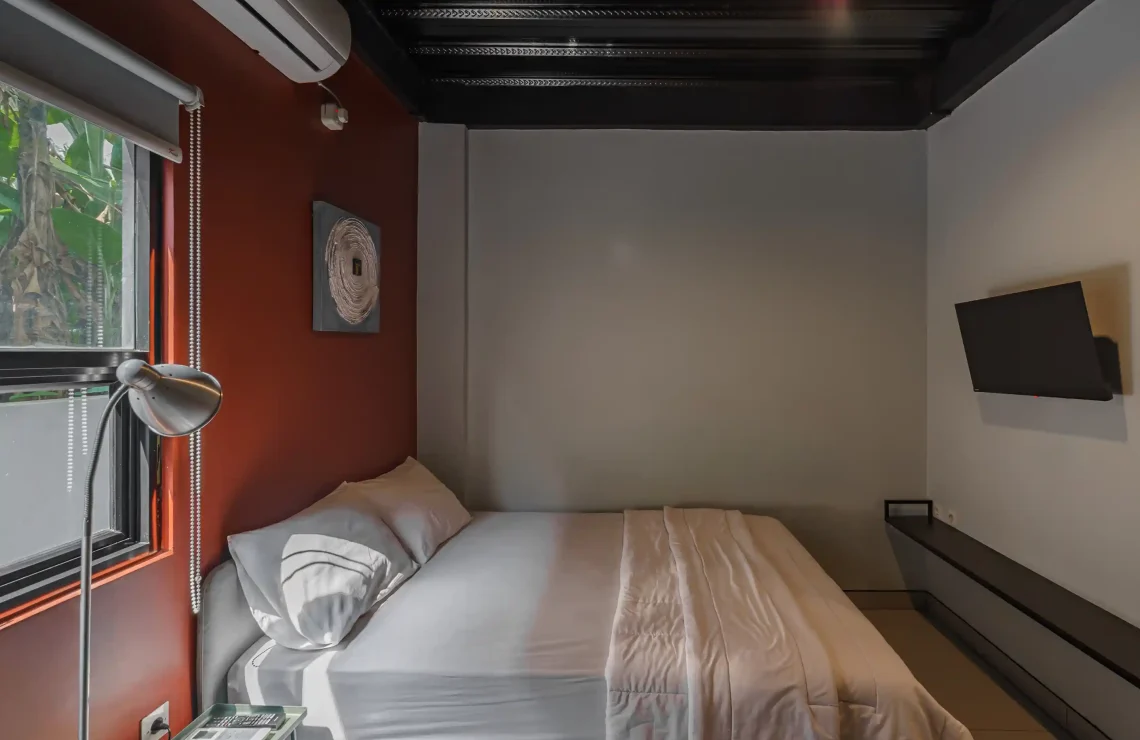
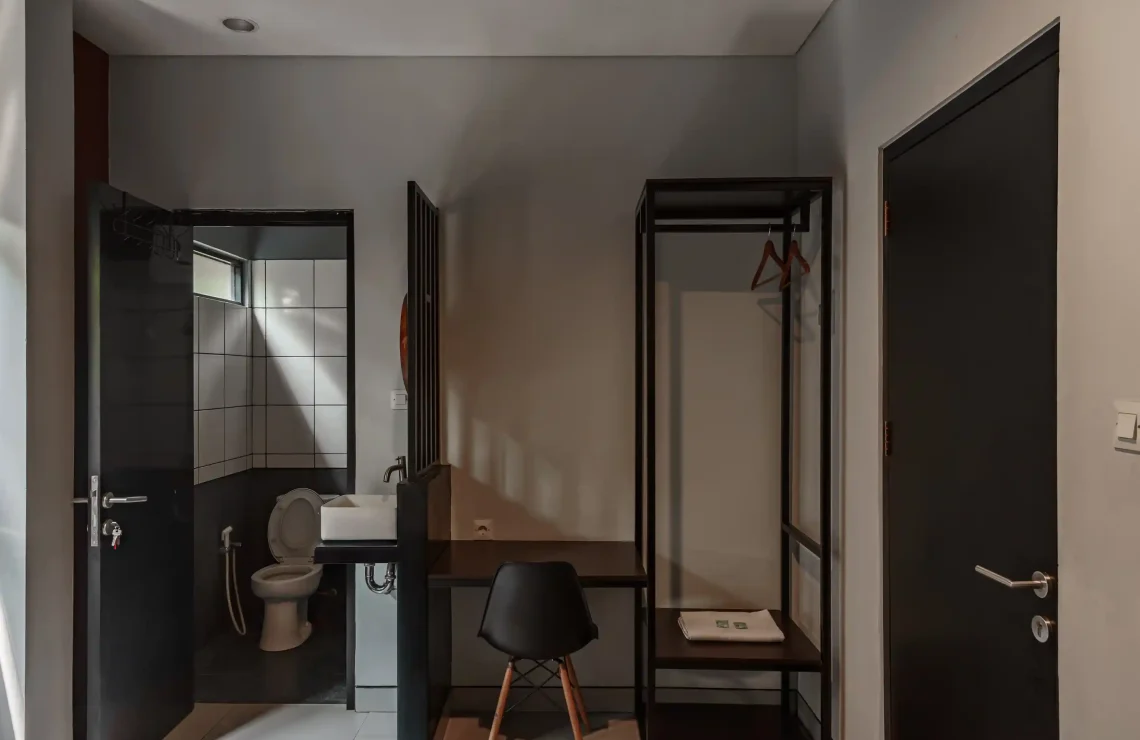
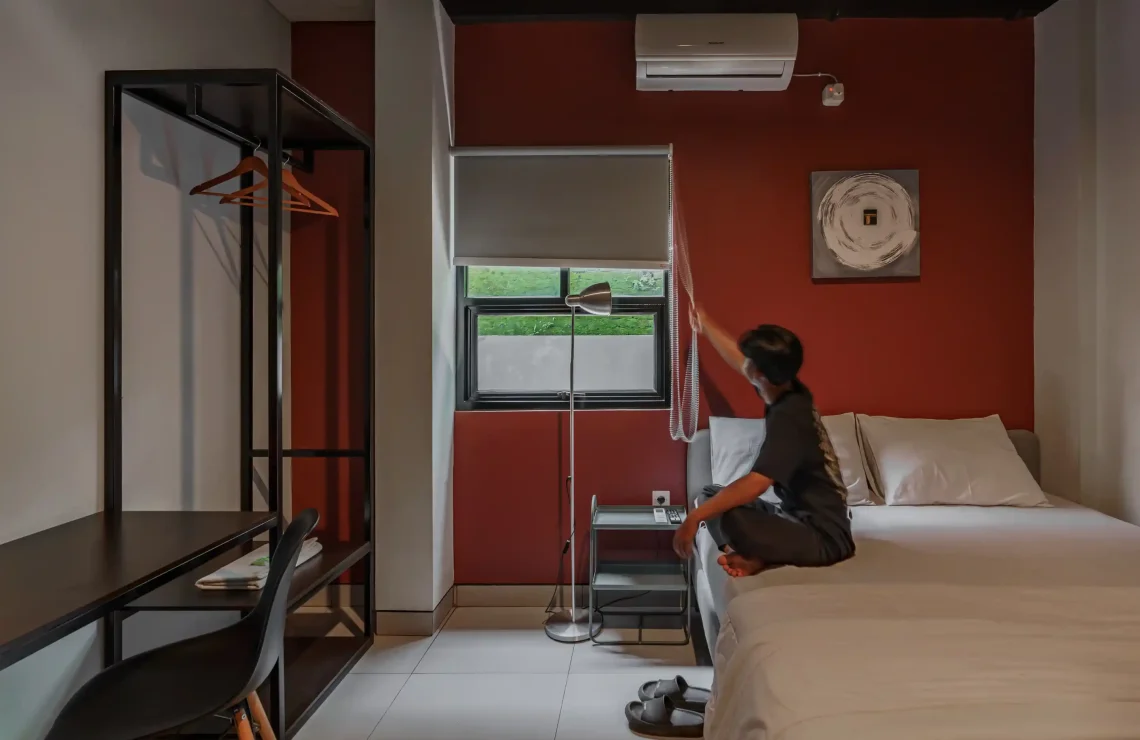
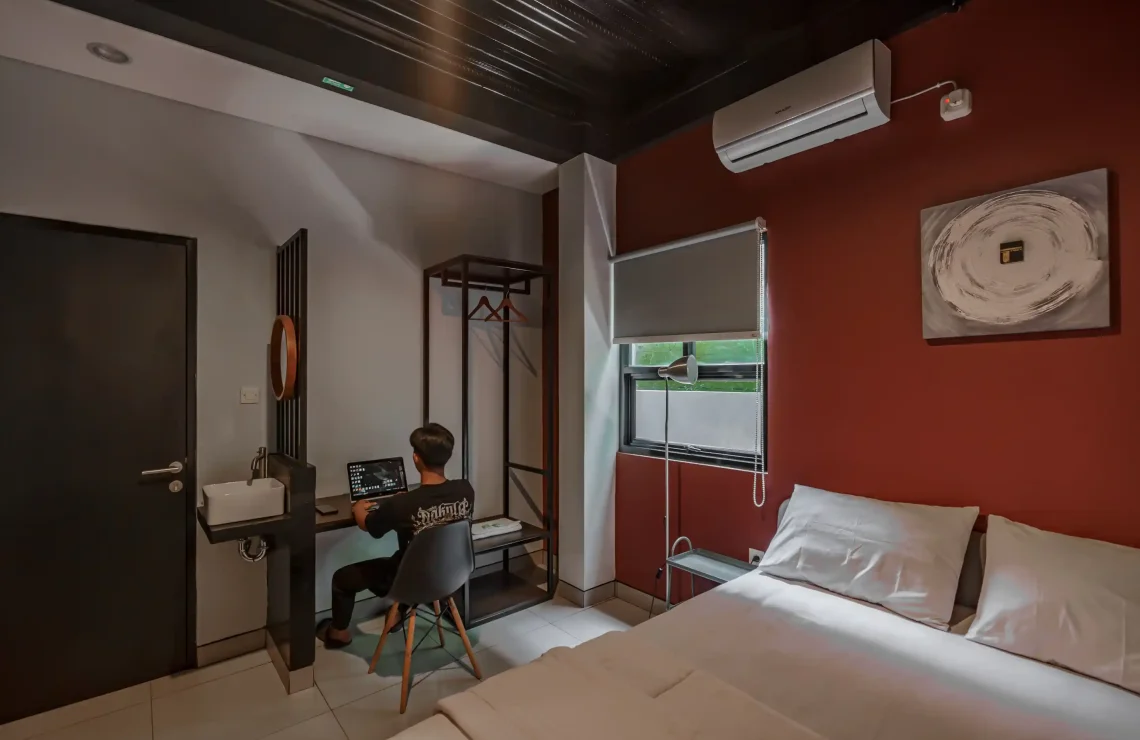
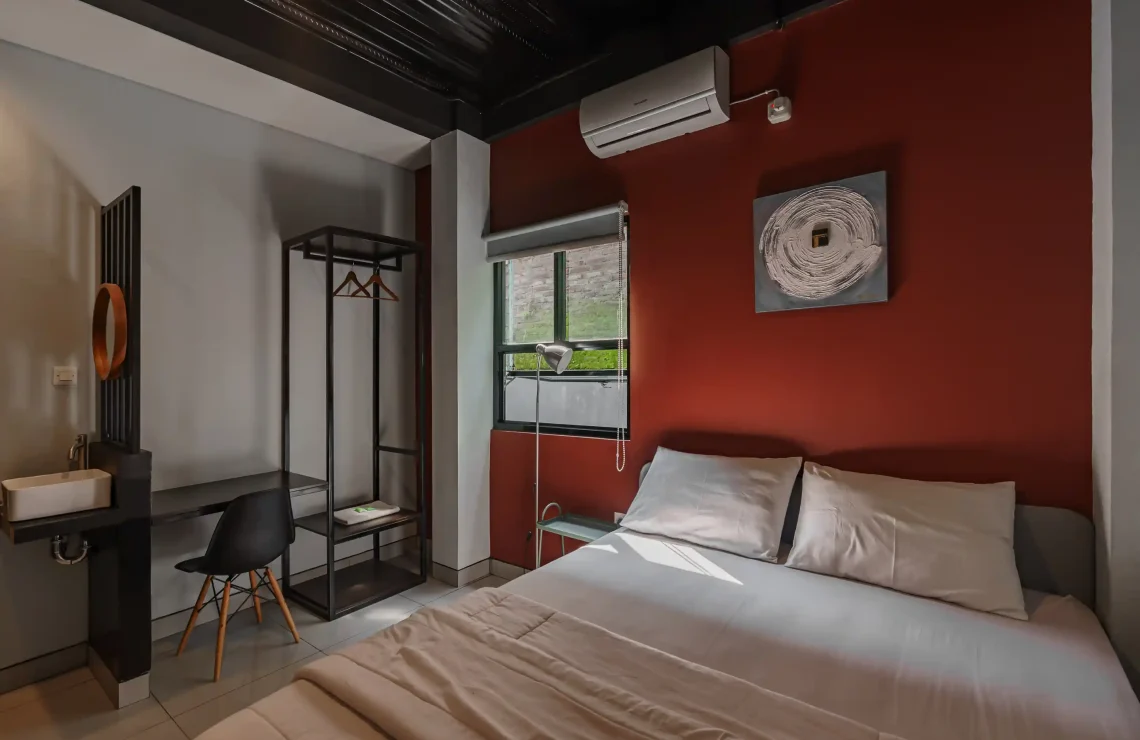
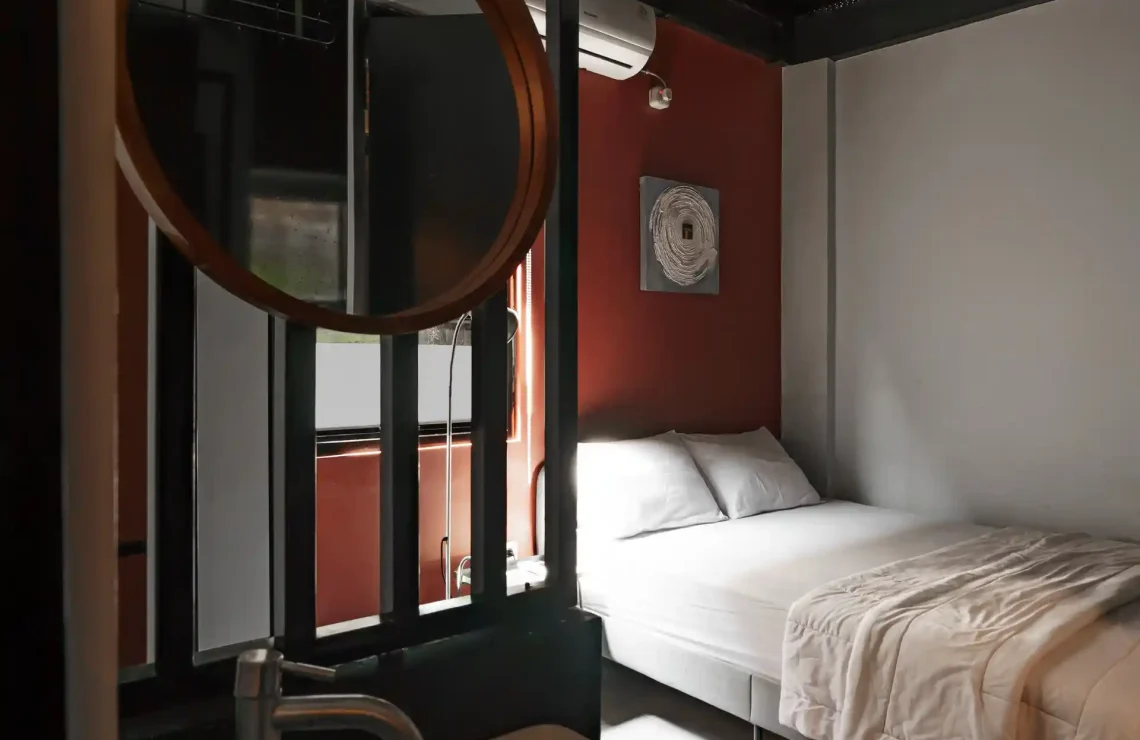
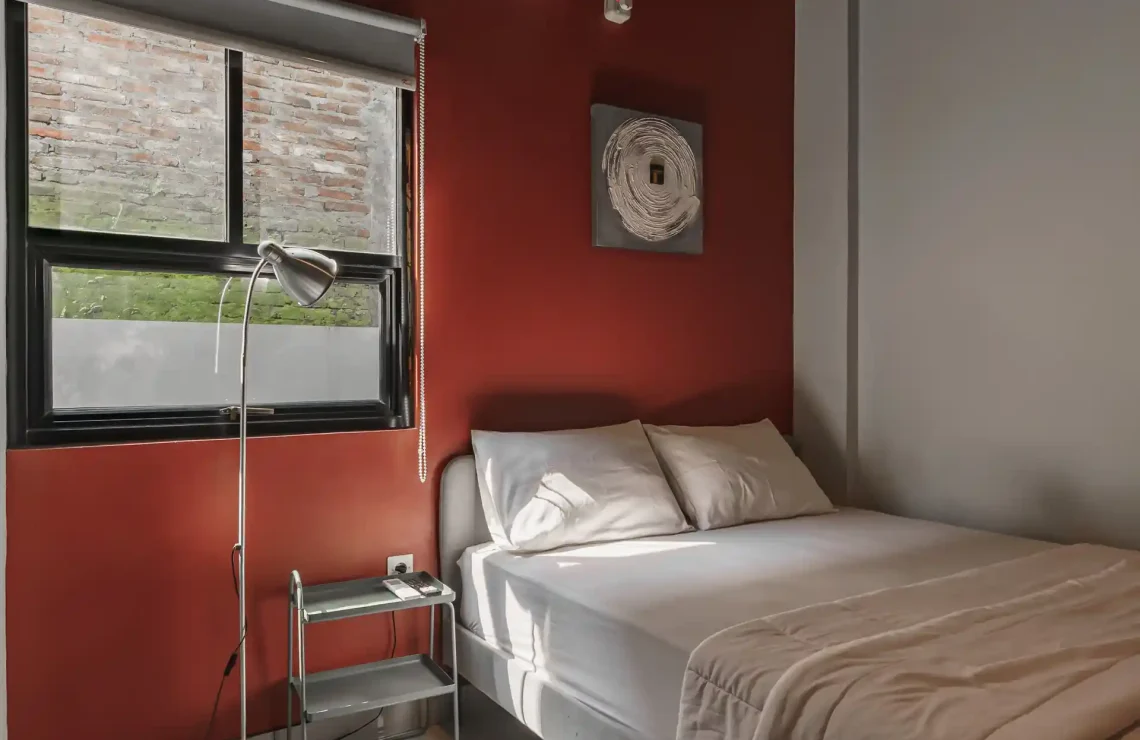
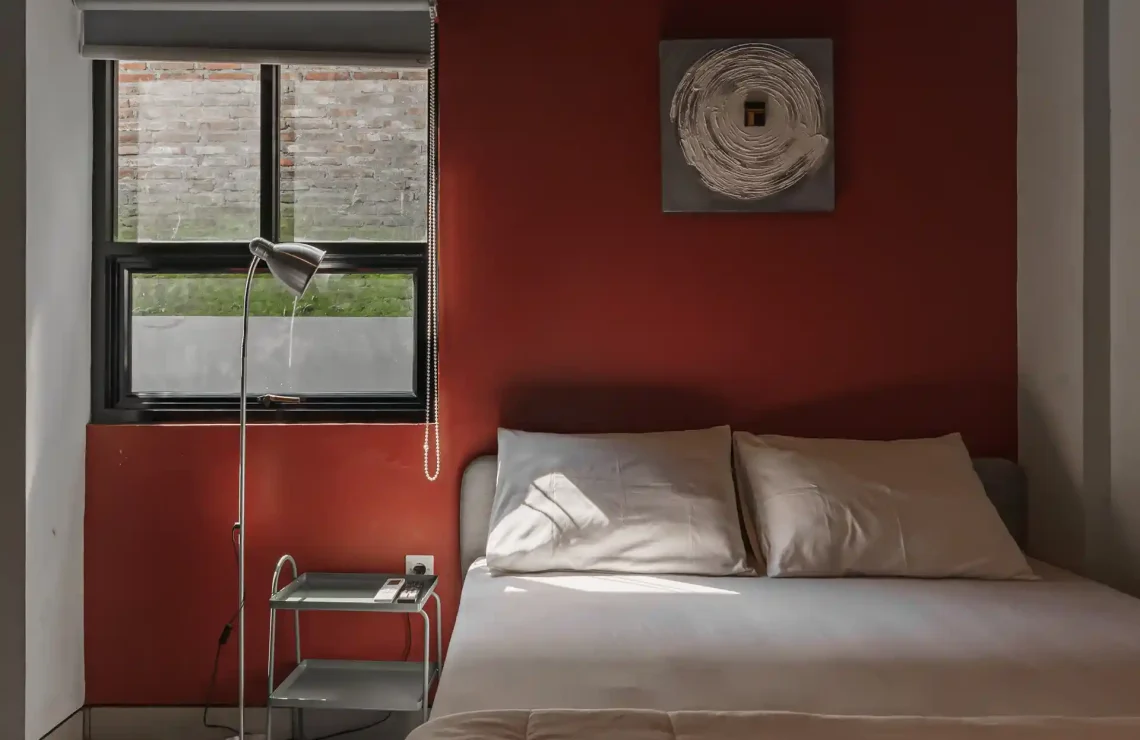
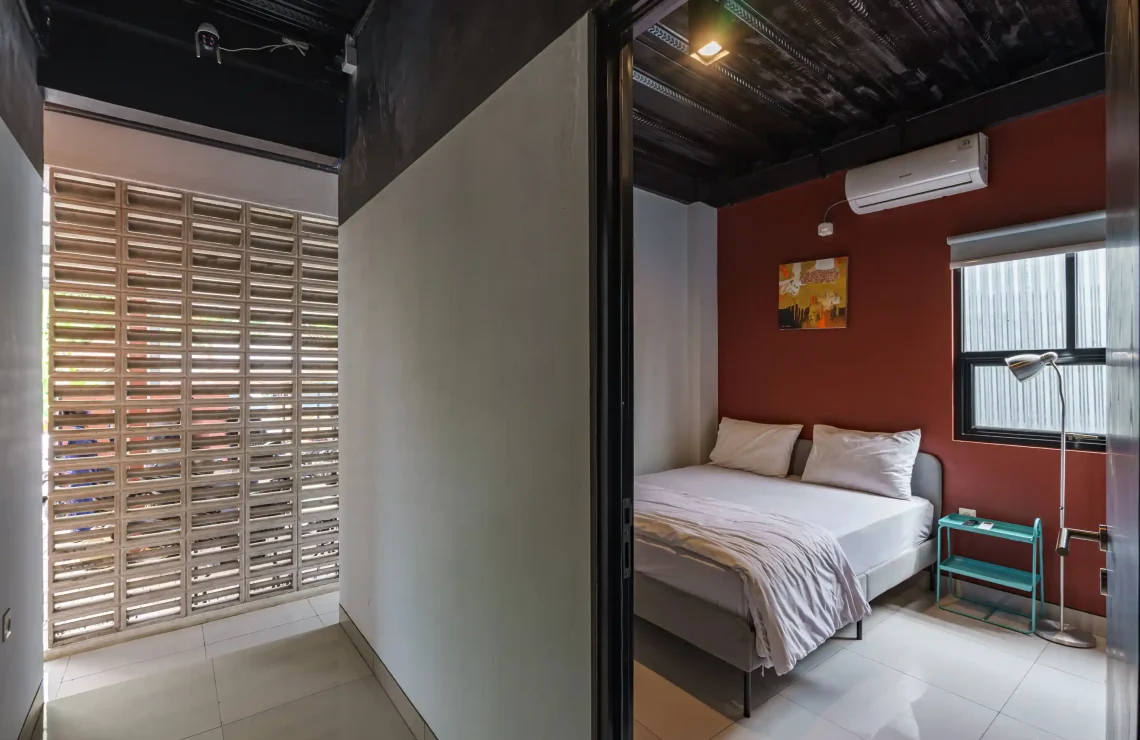
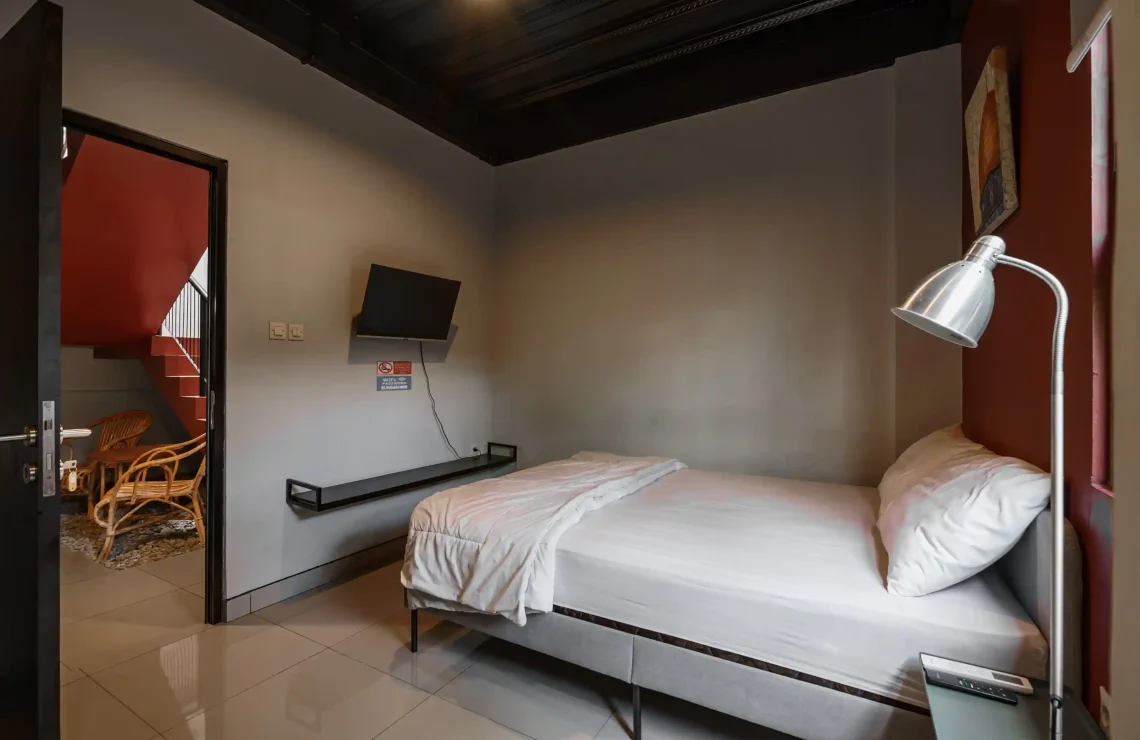
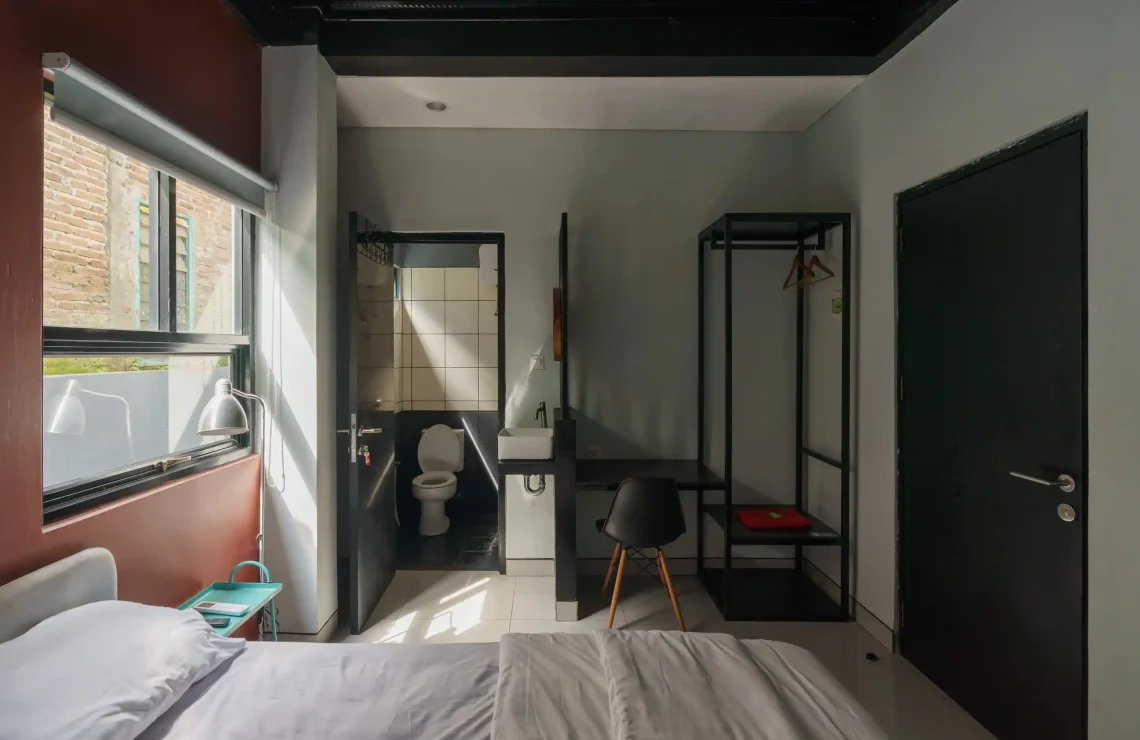
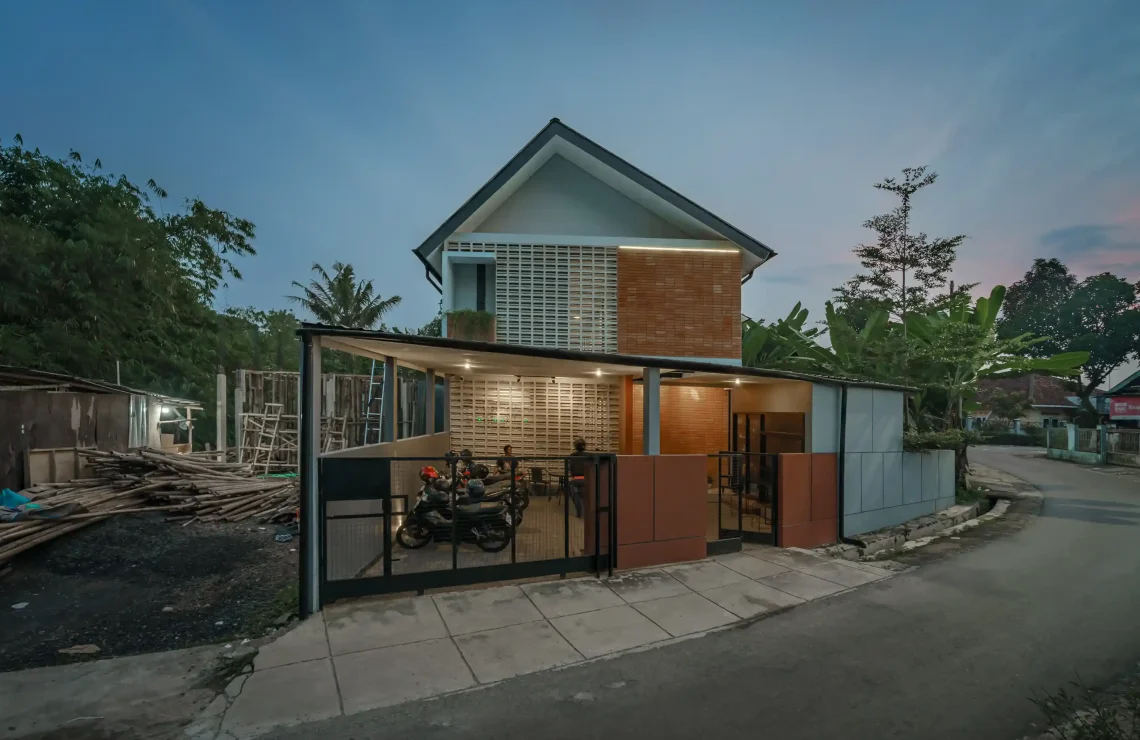
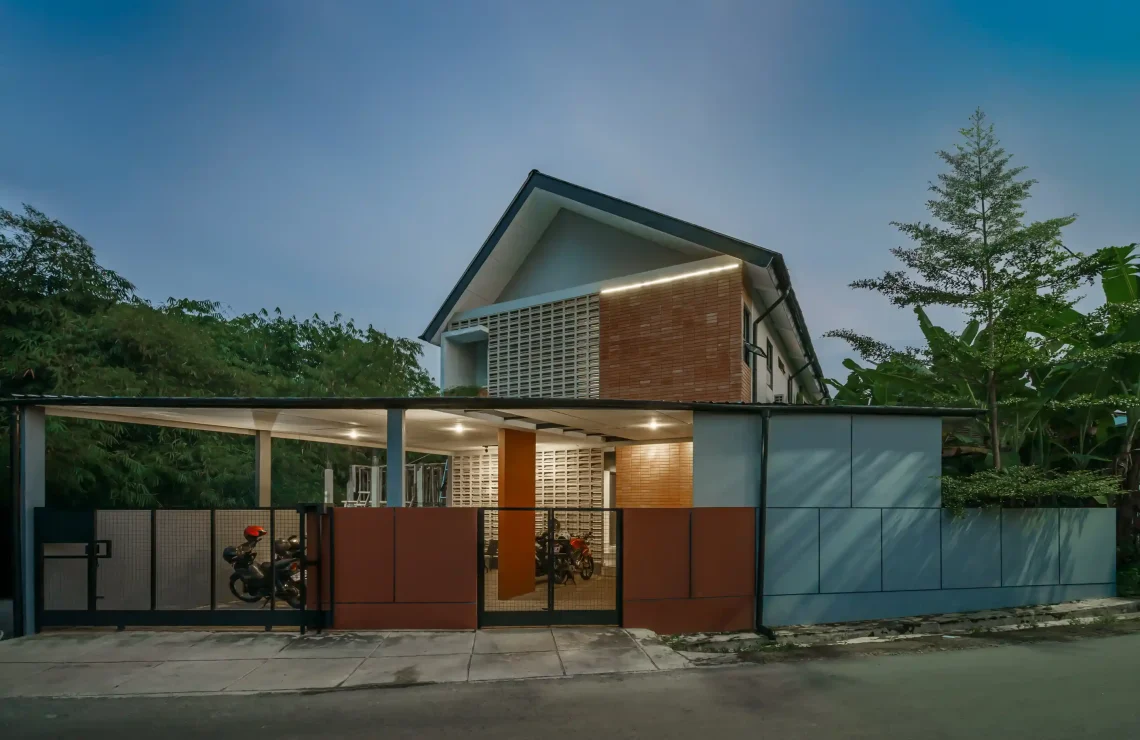
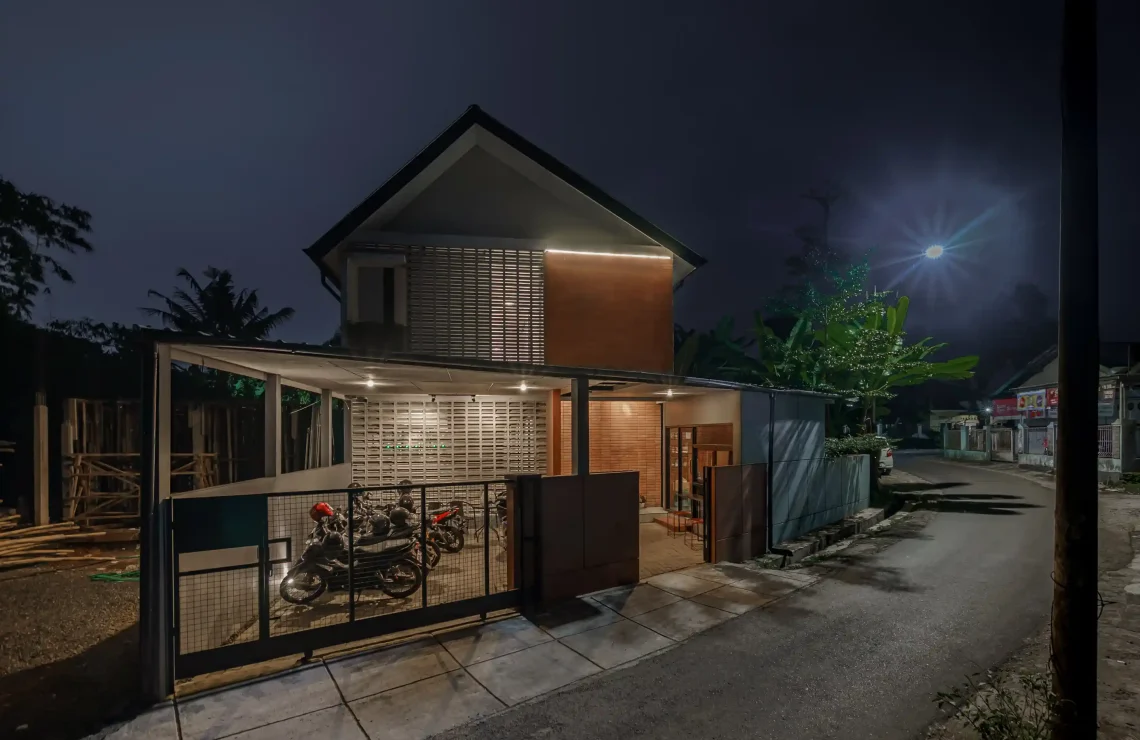
Rubina Syariah Hotel is conceived as an accessible hospitality project that transforms inherited land into a productive asset while creating a comfortable environment for guests and generating economic opportunities for the surrounding community.
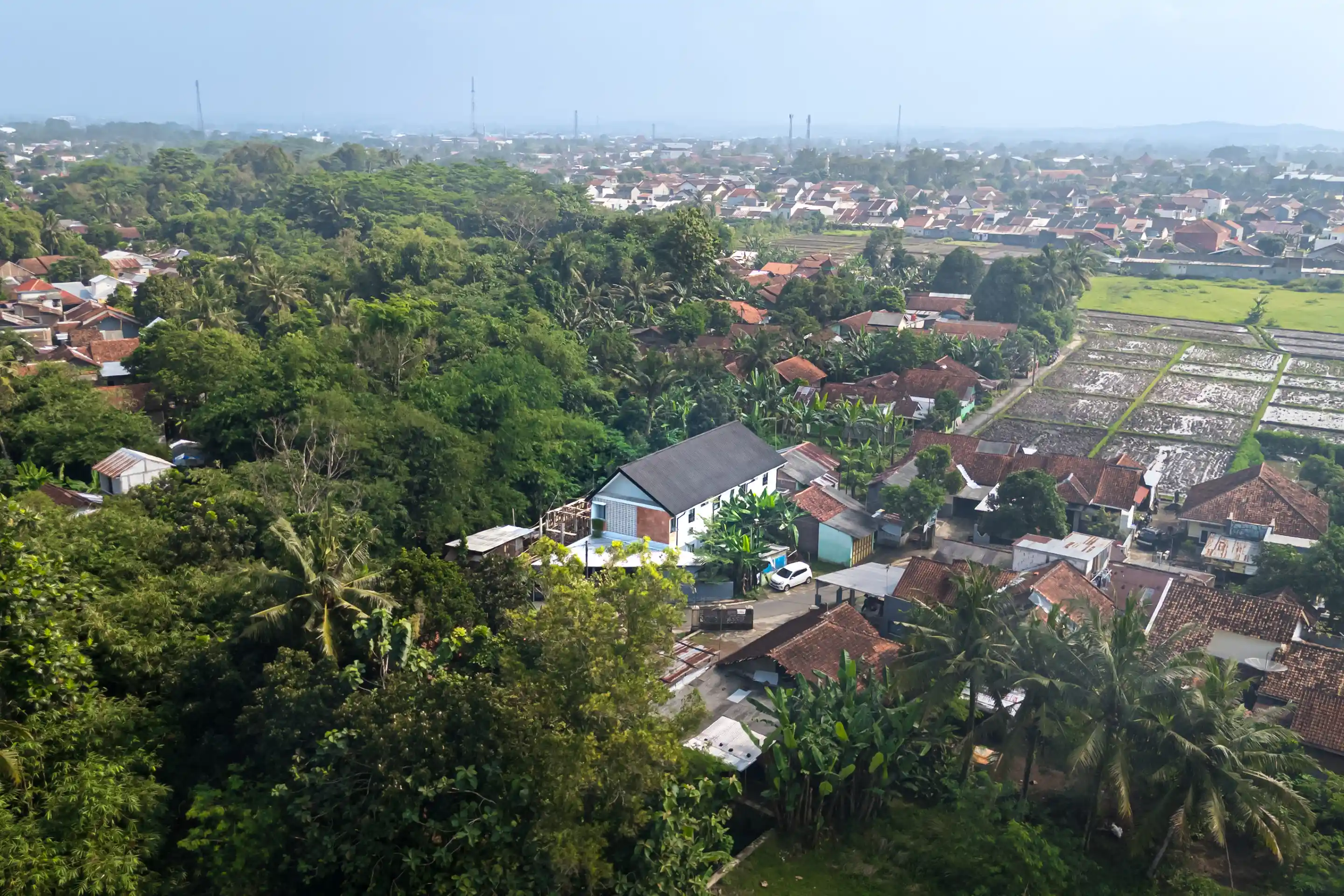
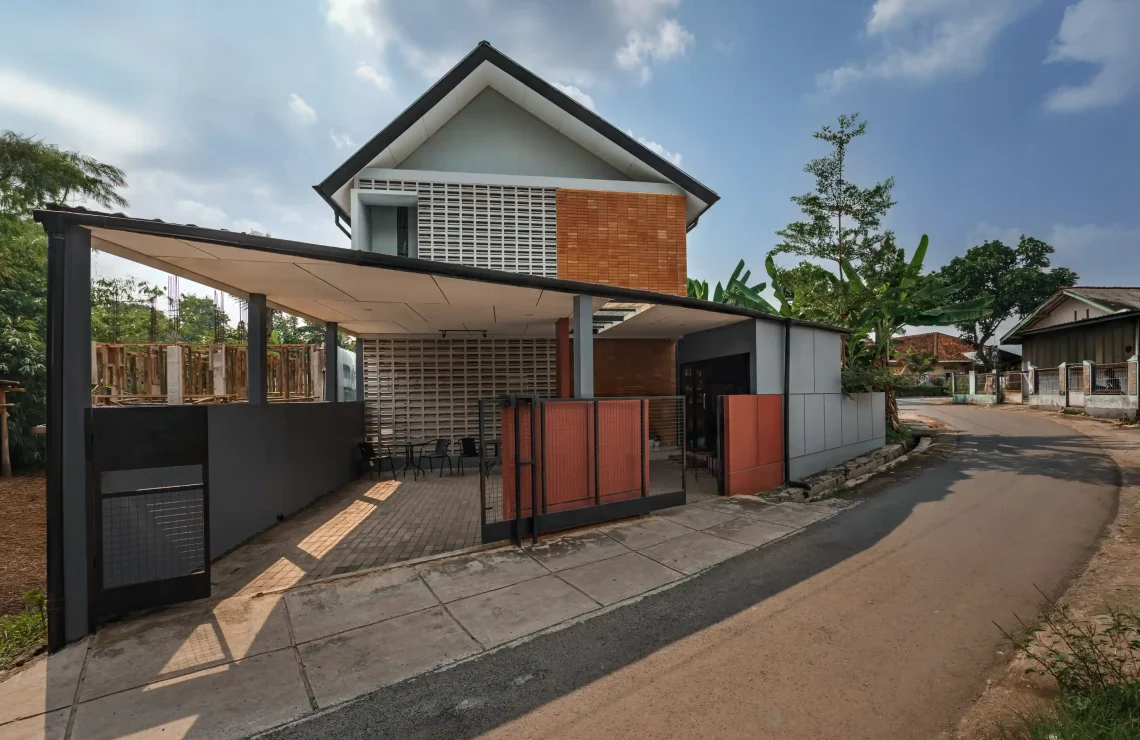
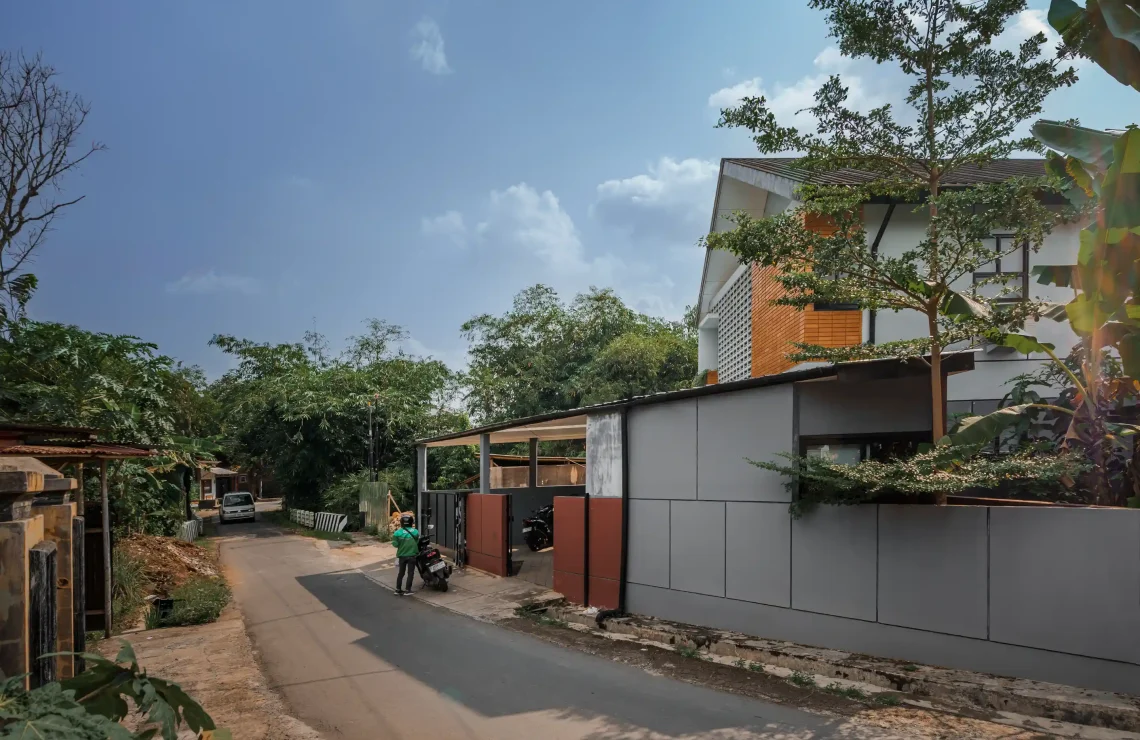
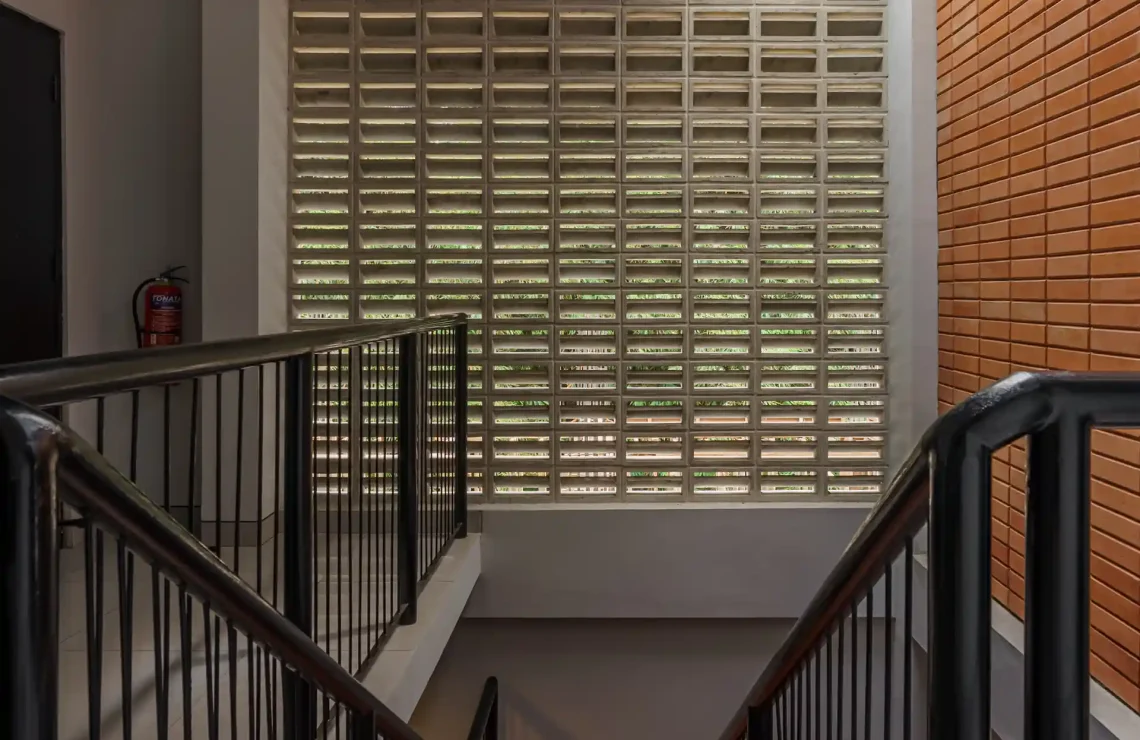
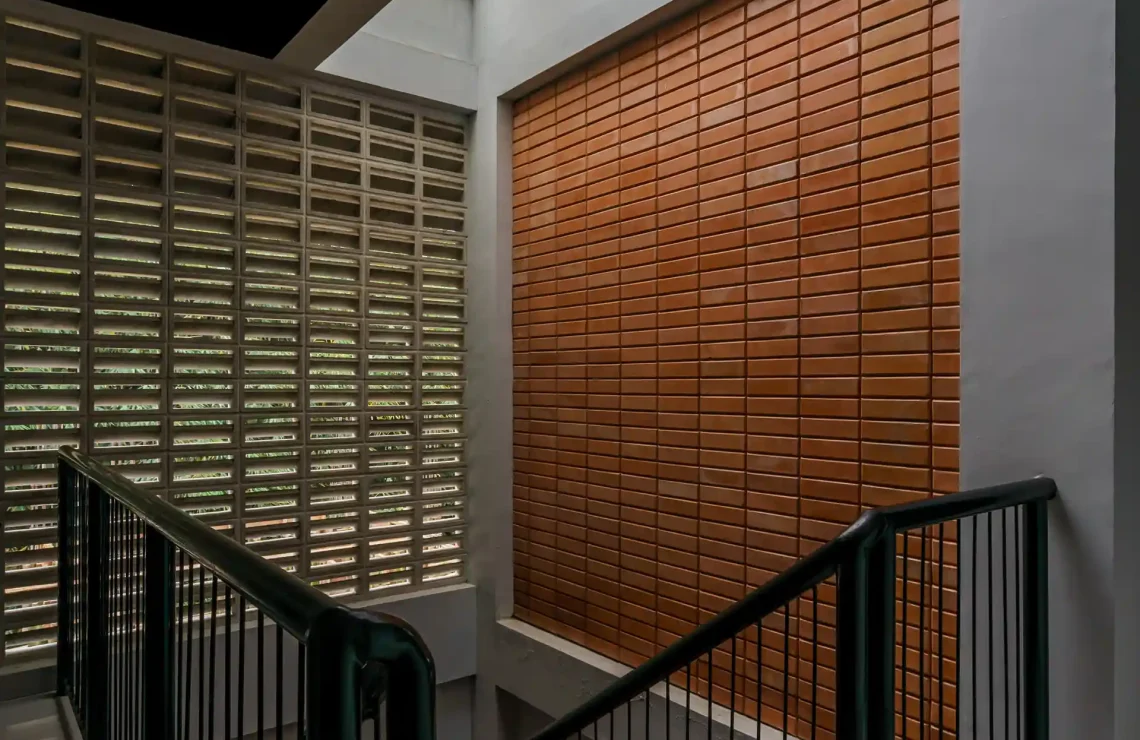
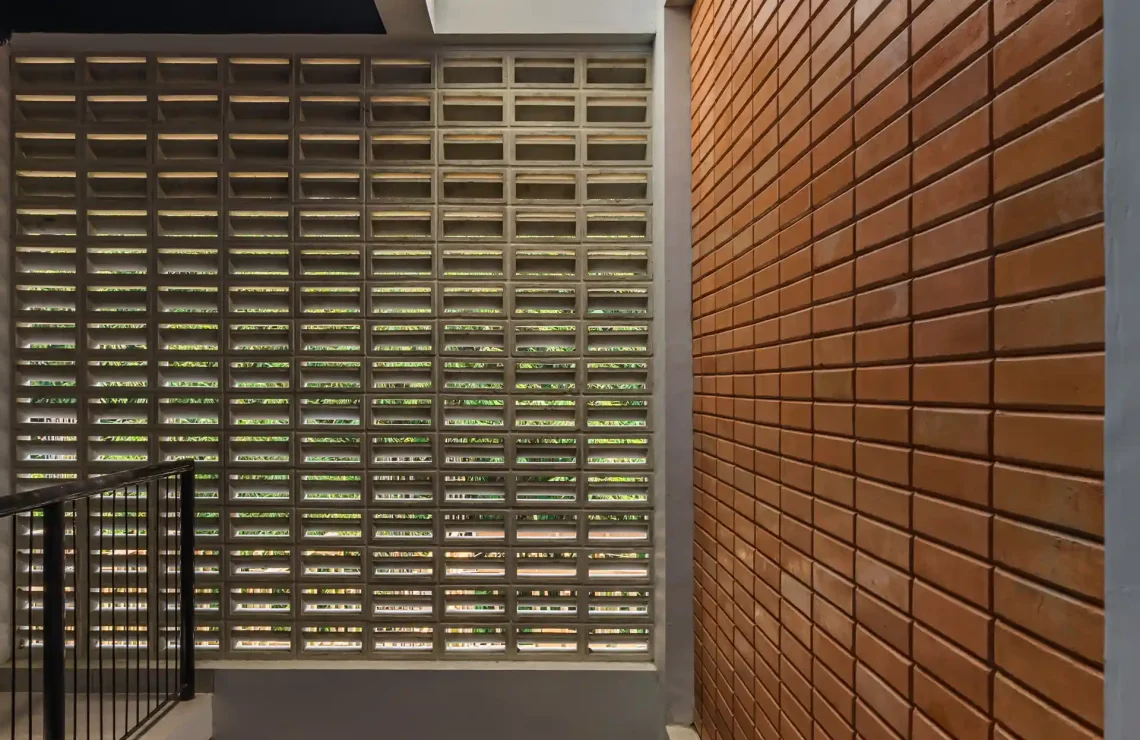
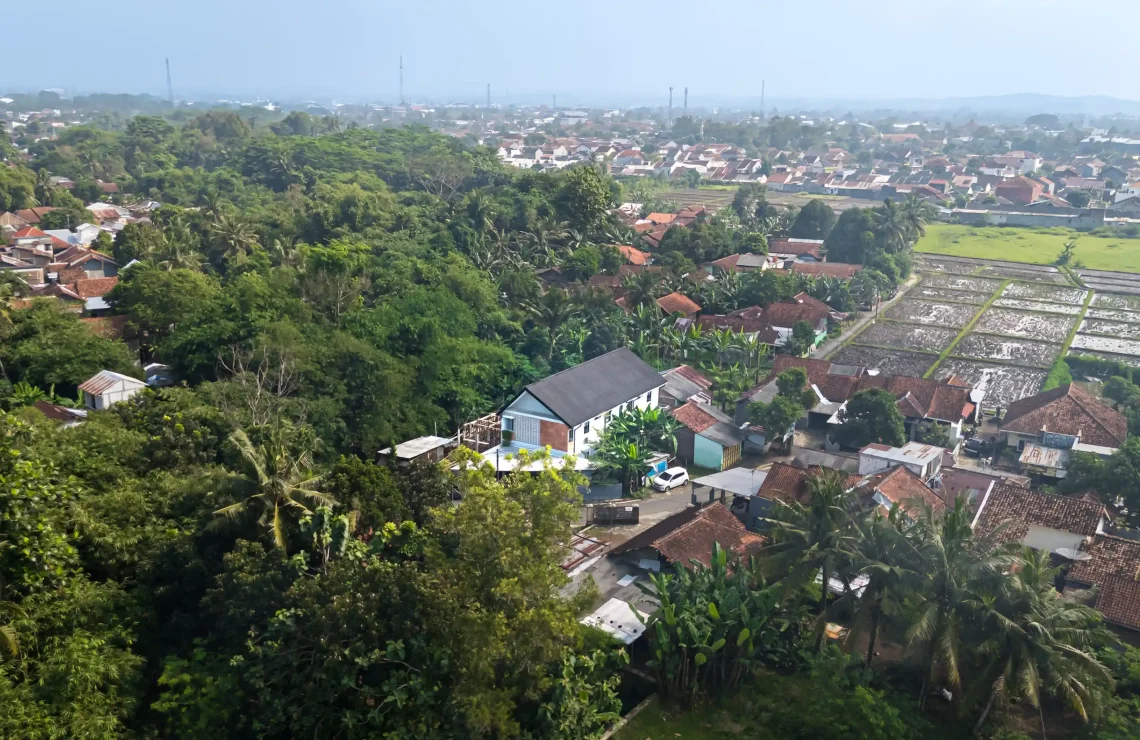
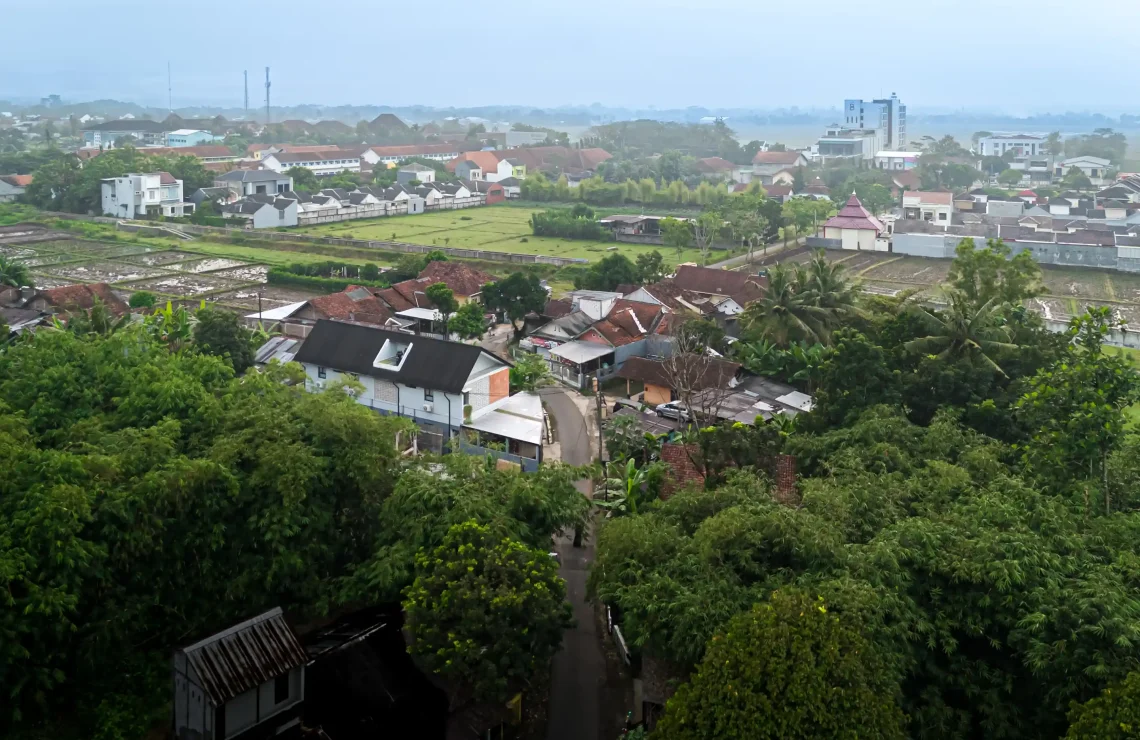
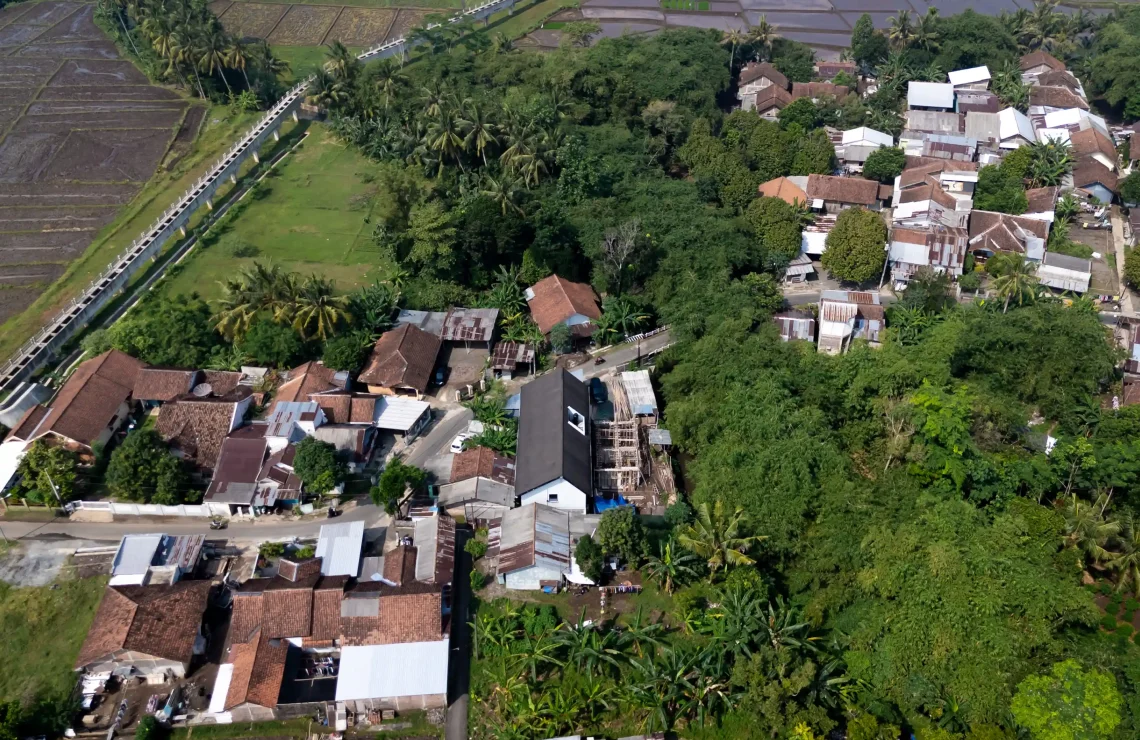
Located in Purbalingga, the hotel was designed by YPA Architecture Studio, led by Titik Efianti and Yudha Prasetyo. Built on inherited land, the project was initiated with the intention of turning the property into a productive development that could provide value beyond its physical presence. One of the site’s defining characteristics is its strategic position along a river, overlooking a bamboo forest. This relationship creates a green and relatively cool atmosphere despite the hotel’s location within an urban environment, providing a natural quality that became an important part of the design response.
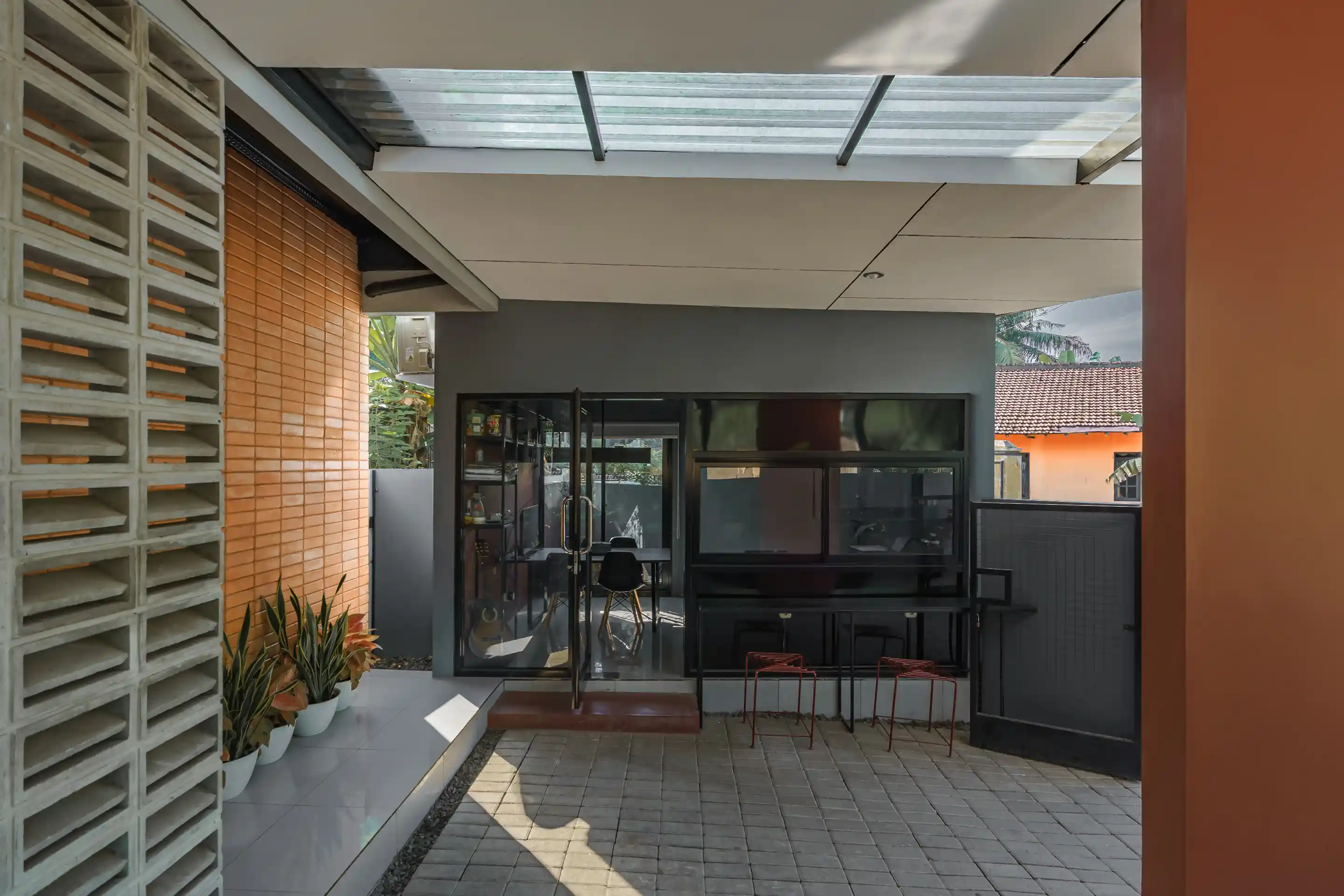
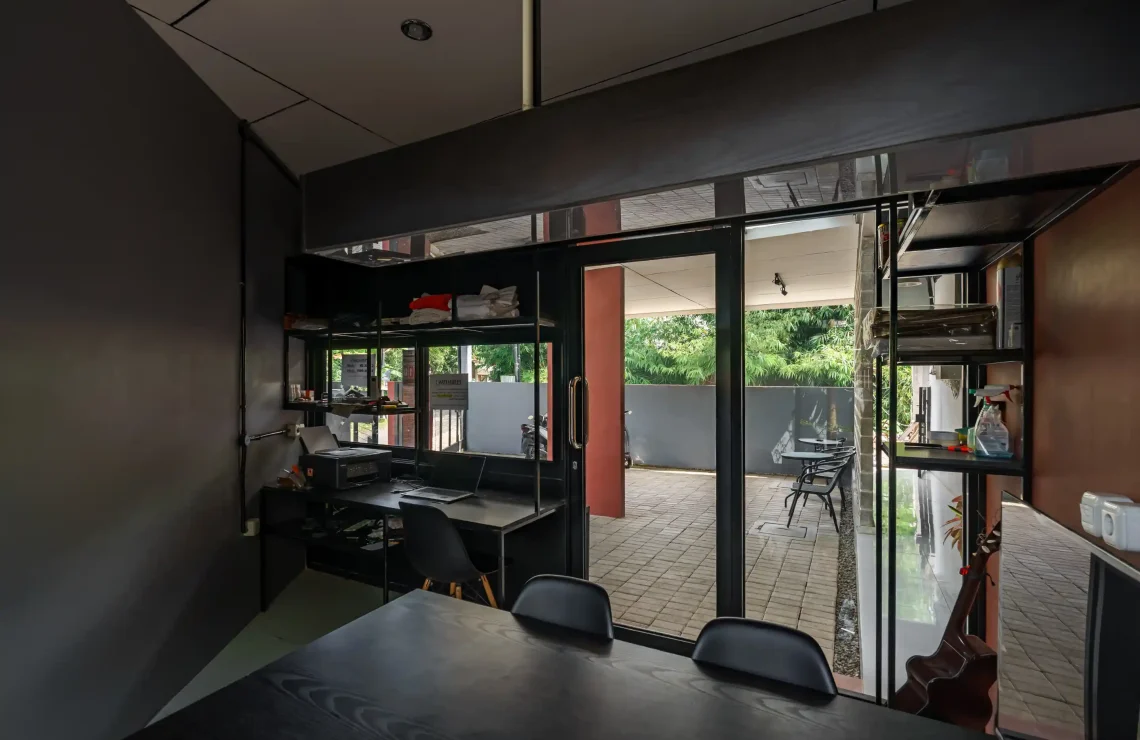
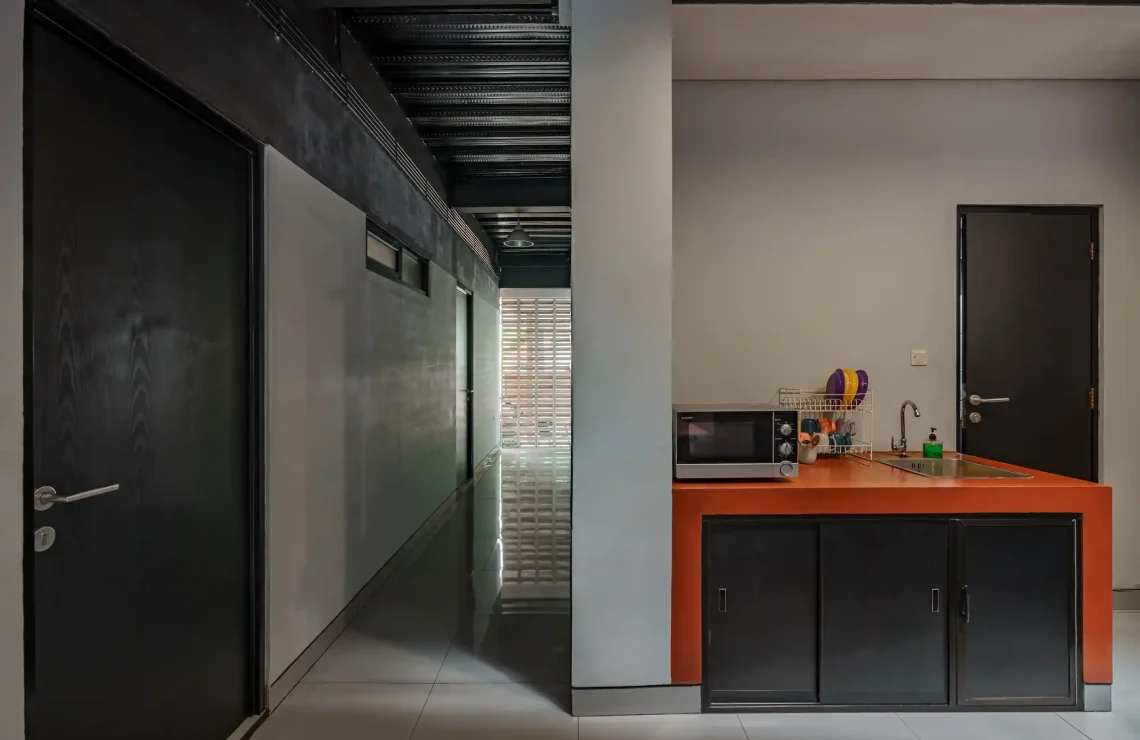
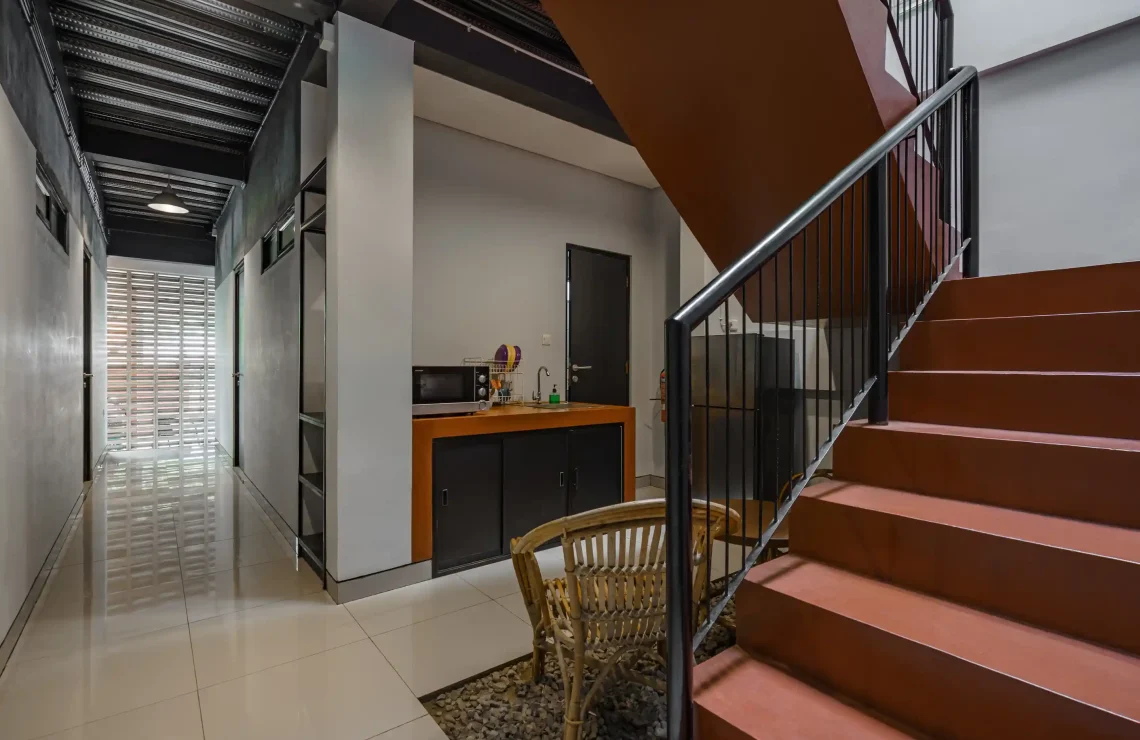
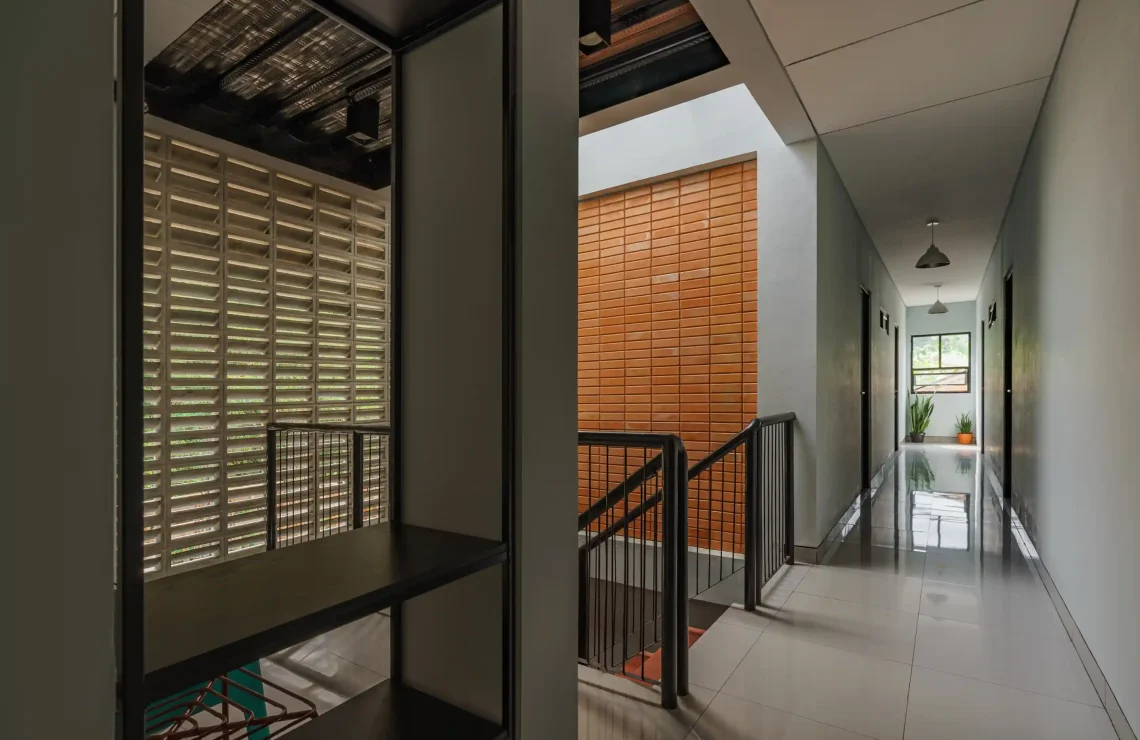
The design process was developed over approximately five months and was shaped by a combination of regulatory, environmental, and financial considerations. The architects carefully observed the river setback requirements (GSS) while seeking to maximize the use of locally available materials. At the same time, the limited budget required the team to approach space planning with a high degree of efficiency. Rather than reducing the essential qualities of the guest experience, the design prioritized the efficient allocation of space so that fundamental hotel facilities could remain comfortable, functional, and appropriate to the needs of visitors.
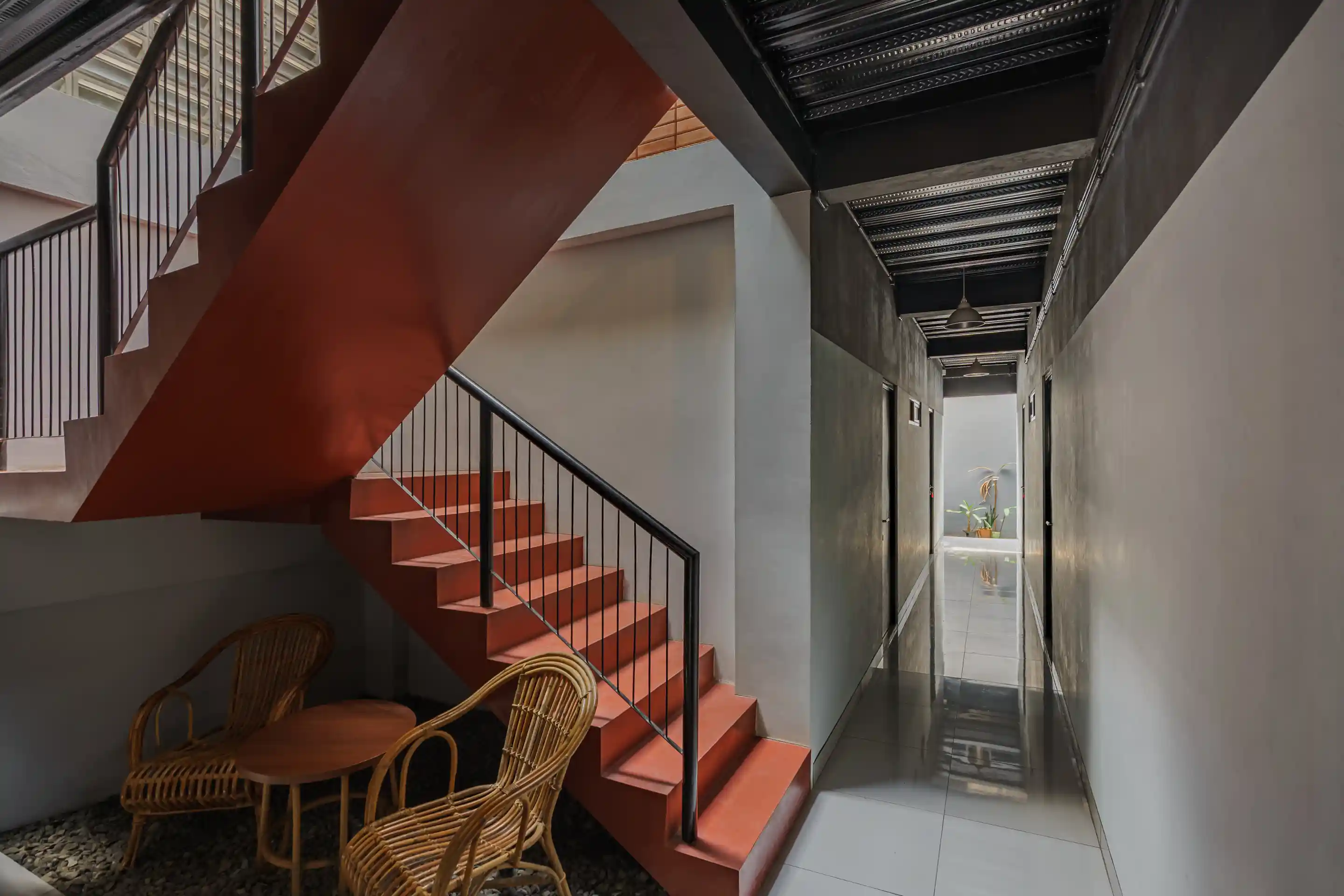
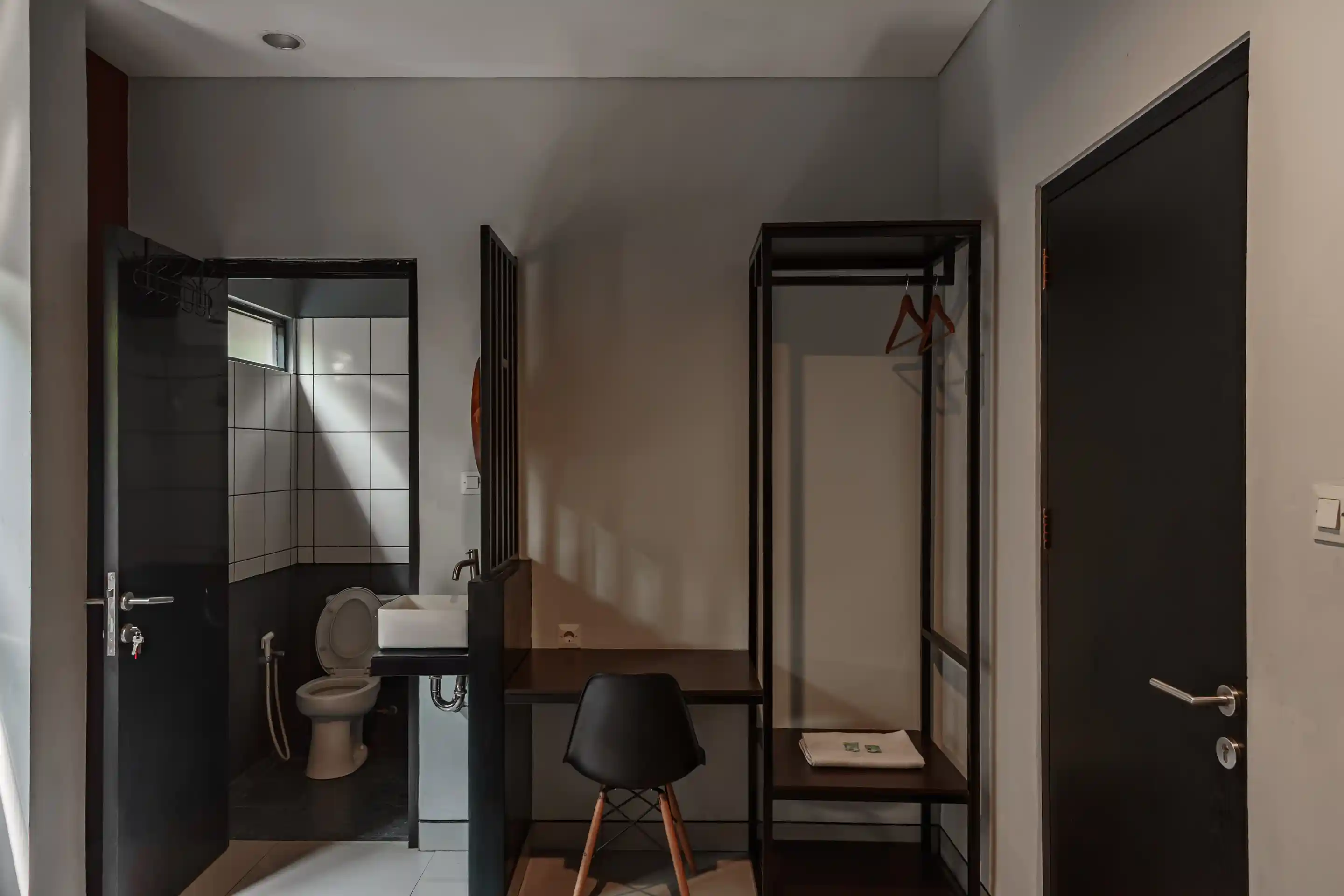
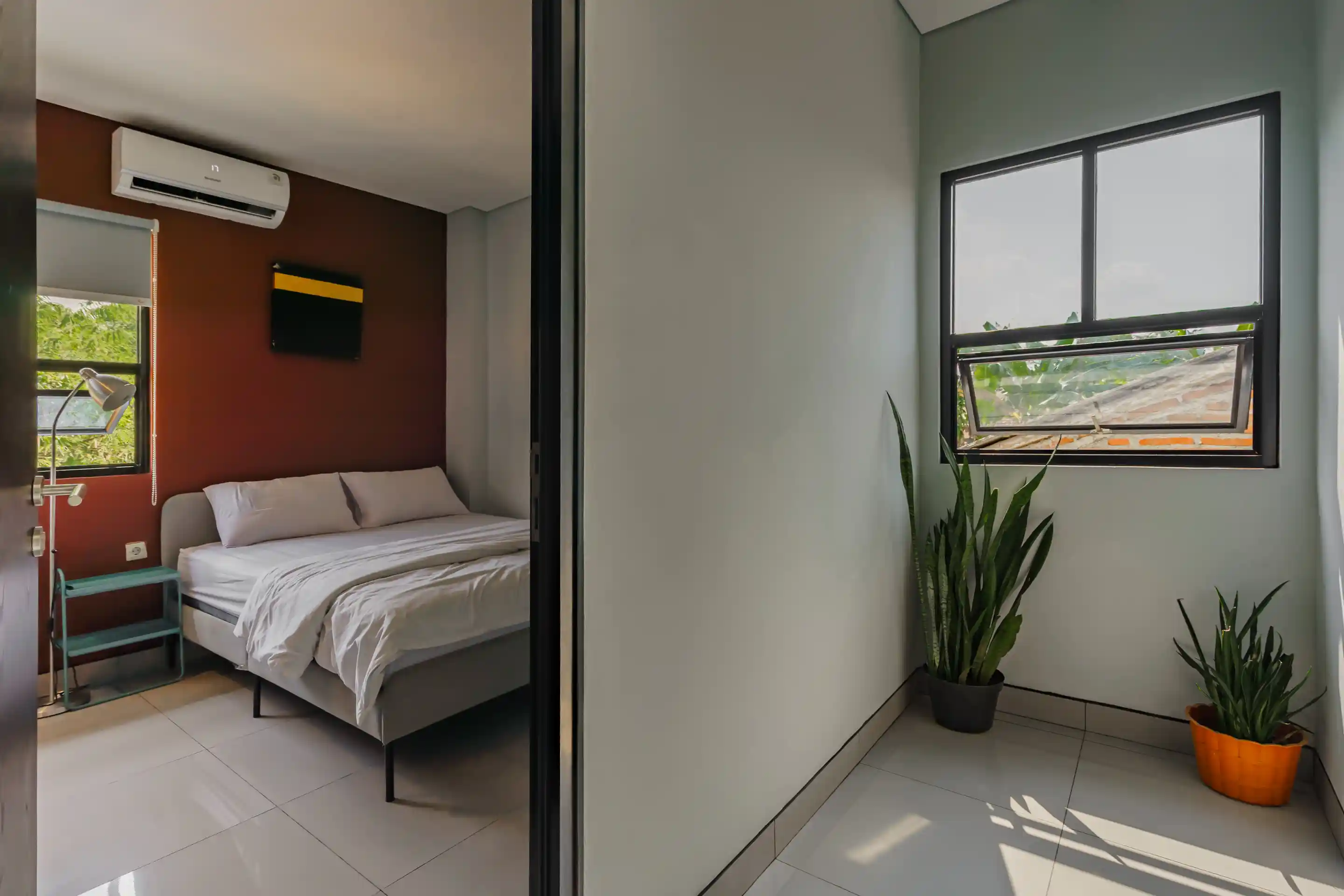
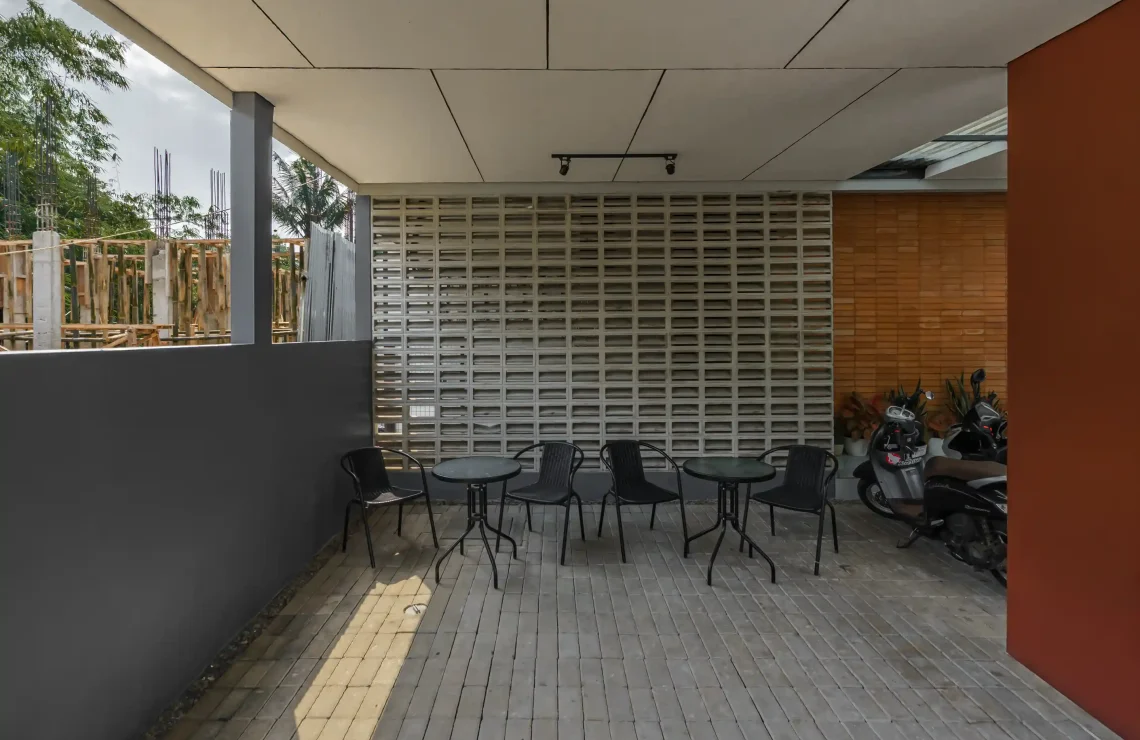
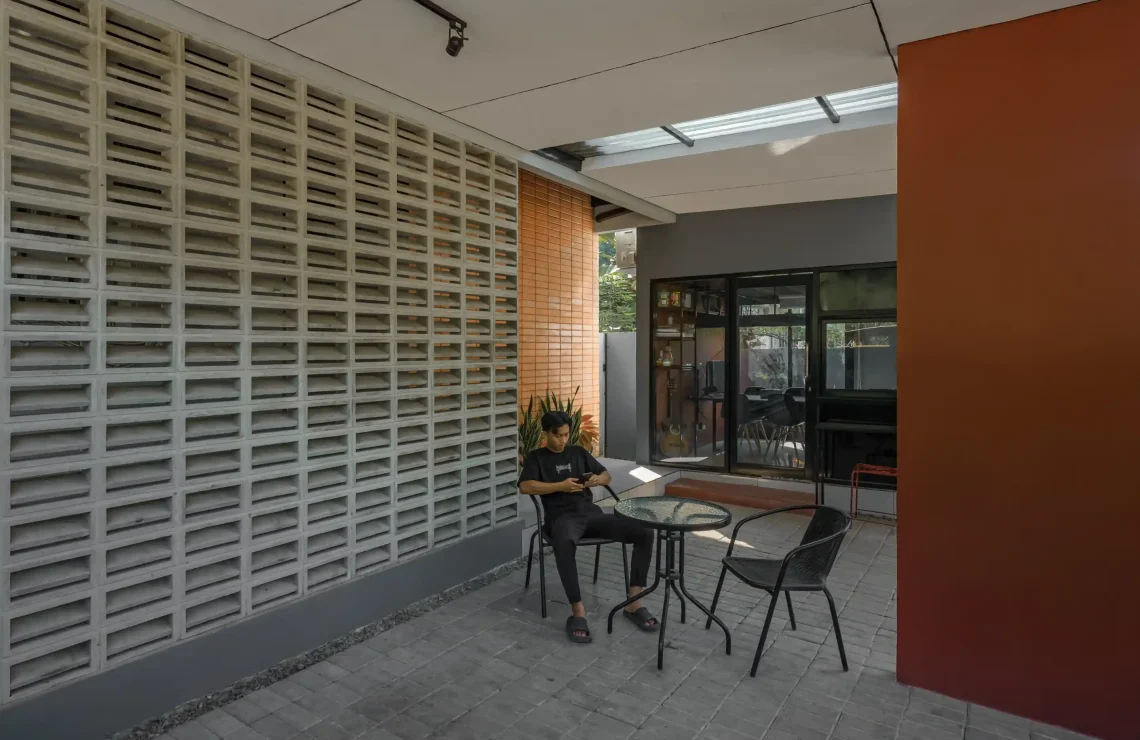
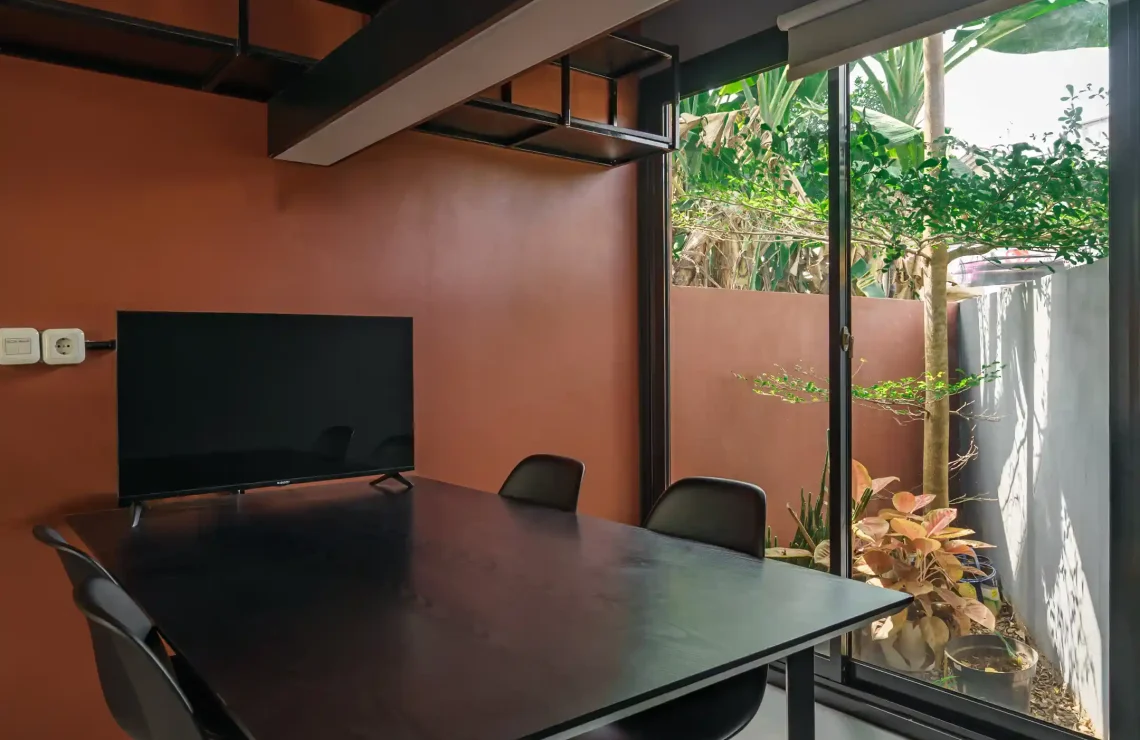
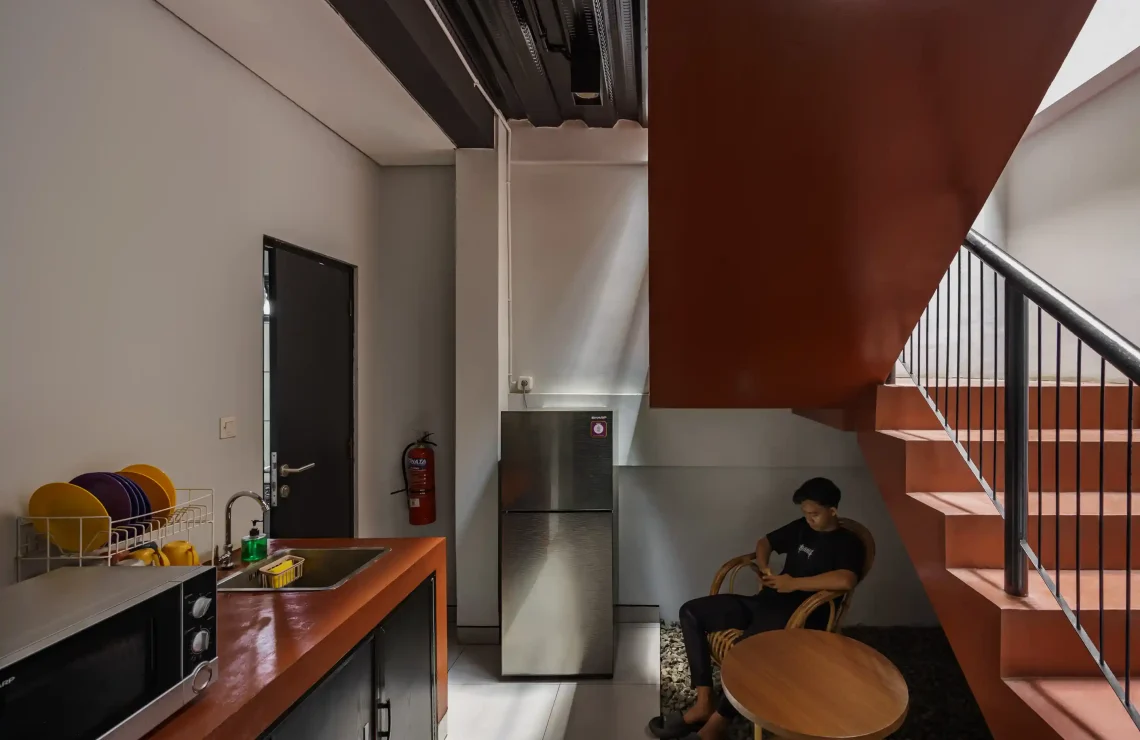
The idea of creating a hotel that “humanizes” hospitality became an important principle throughout the design process. Comfort was considered not only in terms of physical facilities, but also through the way spaces support different patterns of guest activity, particularly for families. The relationship between the building and its surroundings was maintained to create a more pleasant atmosphere, while operational considerations were incorporated to support a practical and environmentally conscious hospitality model. The hotel’s performance in use is reflected in its guest reception, including an Agoda rating of 4.9, indicating a strong level of satisfaction among guests.
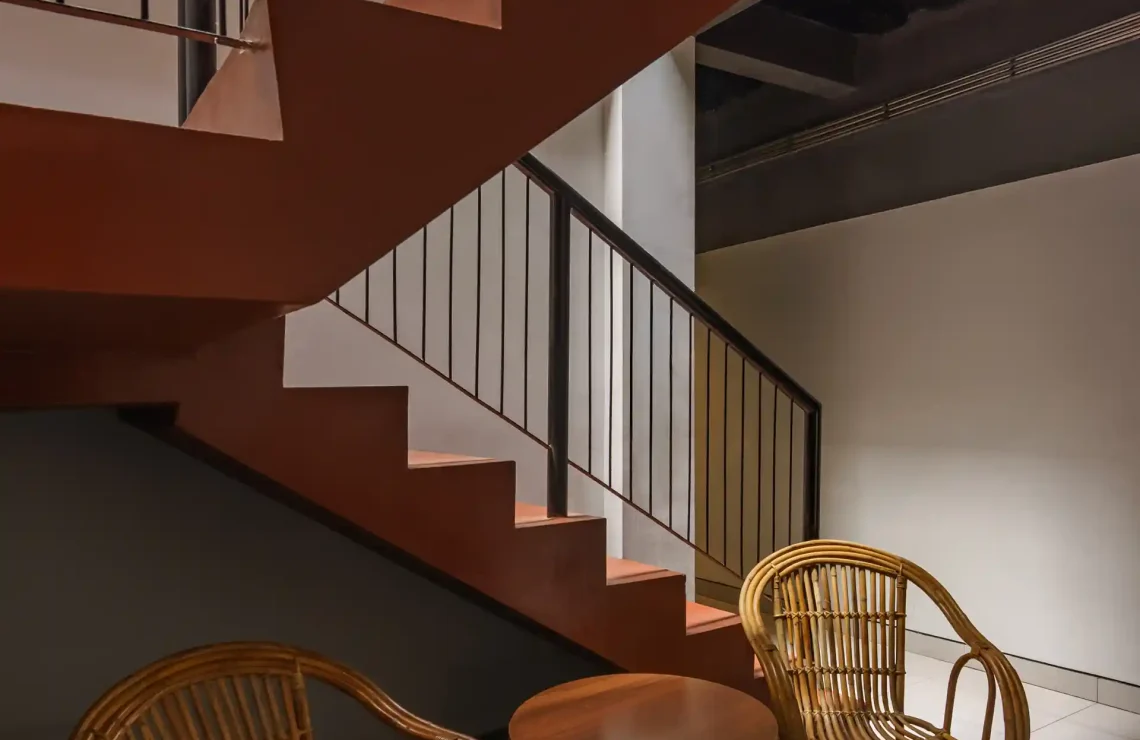
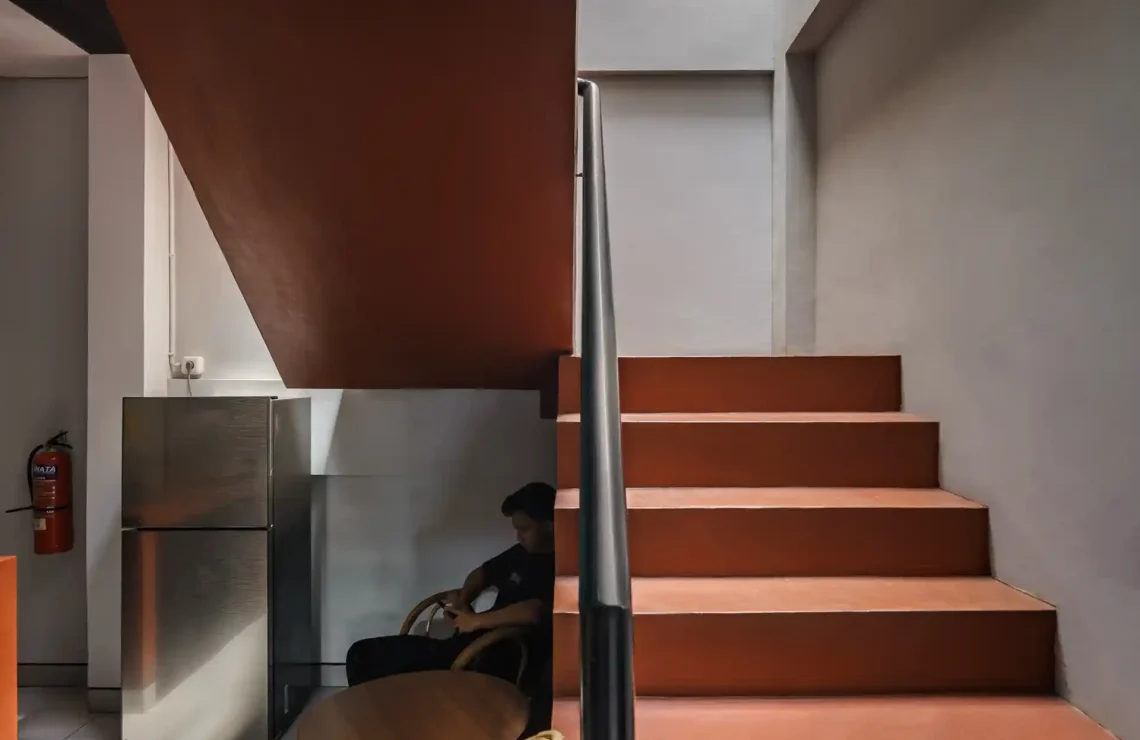
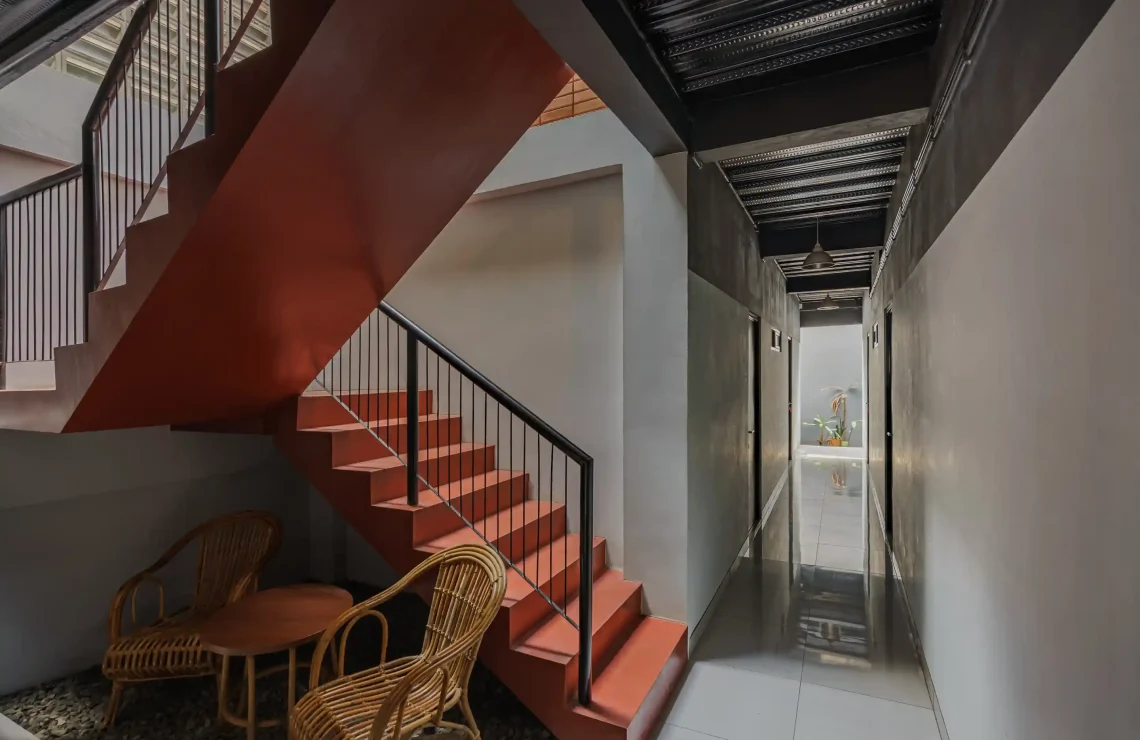
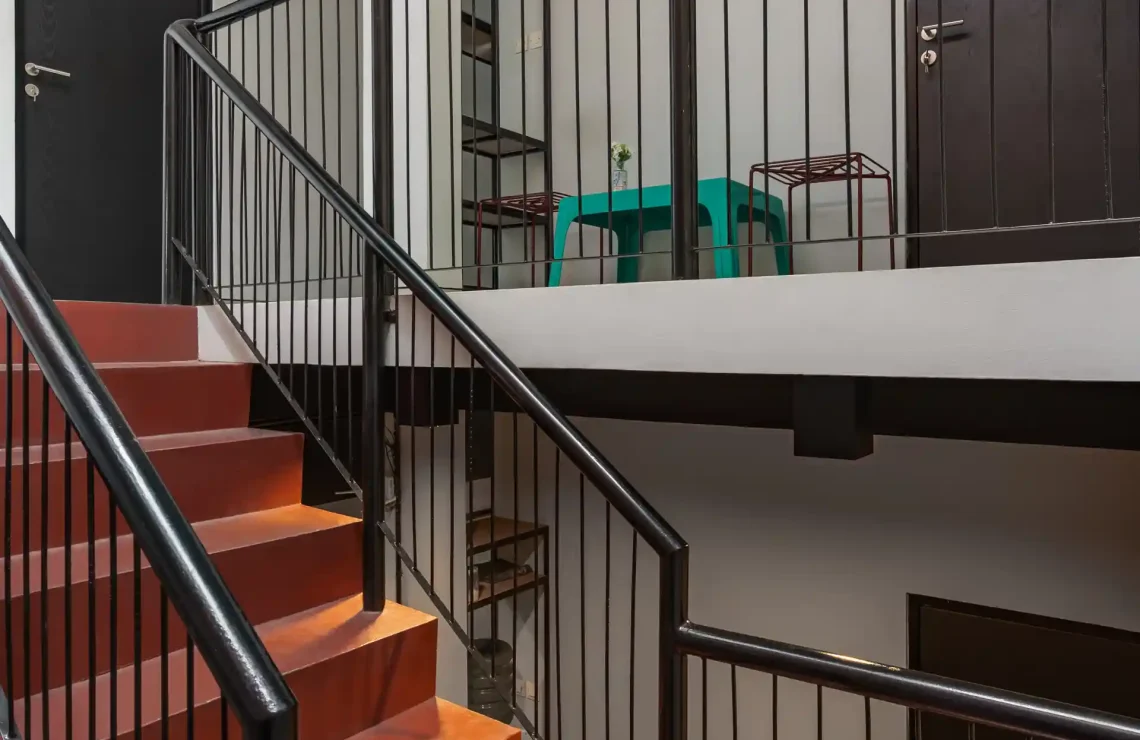
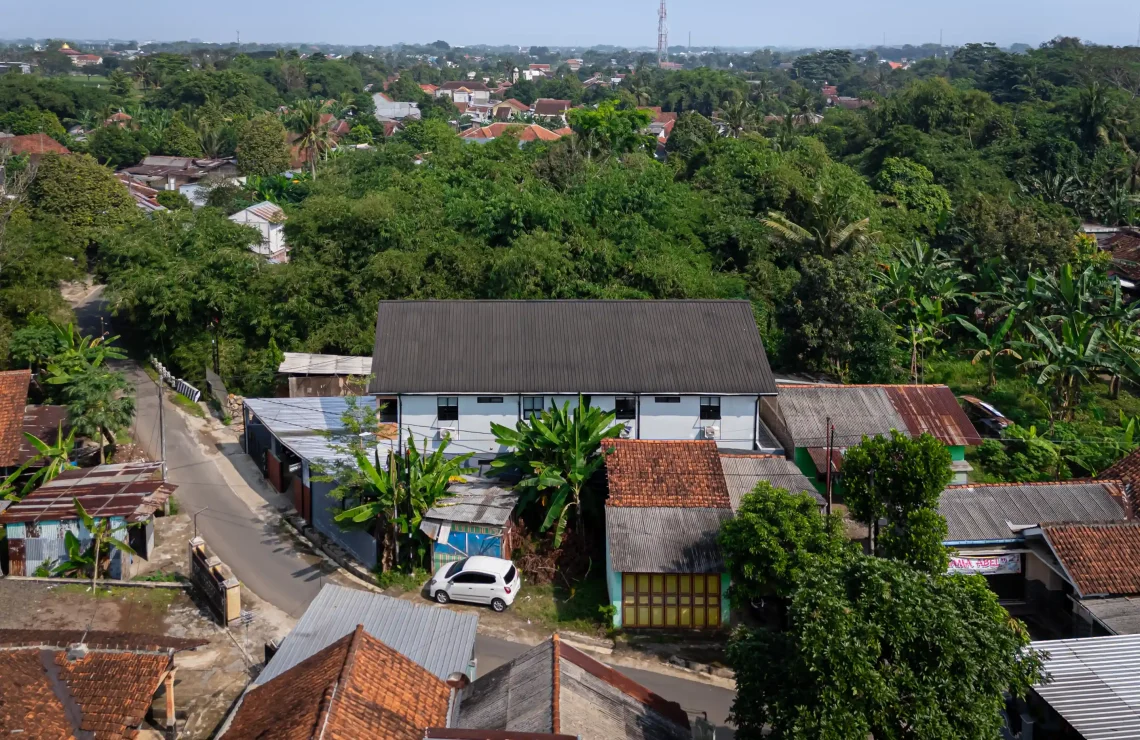
The building itself also evolved in response to operational efficiency. The initial proposal envisioned a three-storey hotel, but the scheme was subsequently reduced to two floors to limit long-term operational and maintenance costs. This change was not treated simply as a reduction in scale, but as an opportunity to develop a more efficient structural and spatial configuration. The resulting building maintains the necessary hospitality functions while reducing the operational demands associated with a larger structure.
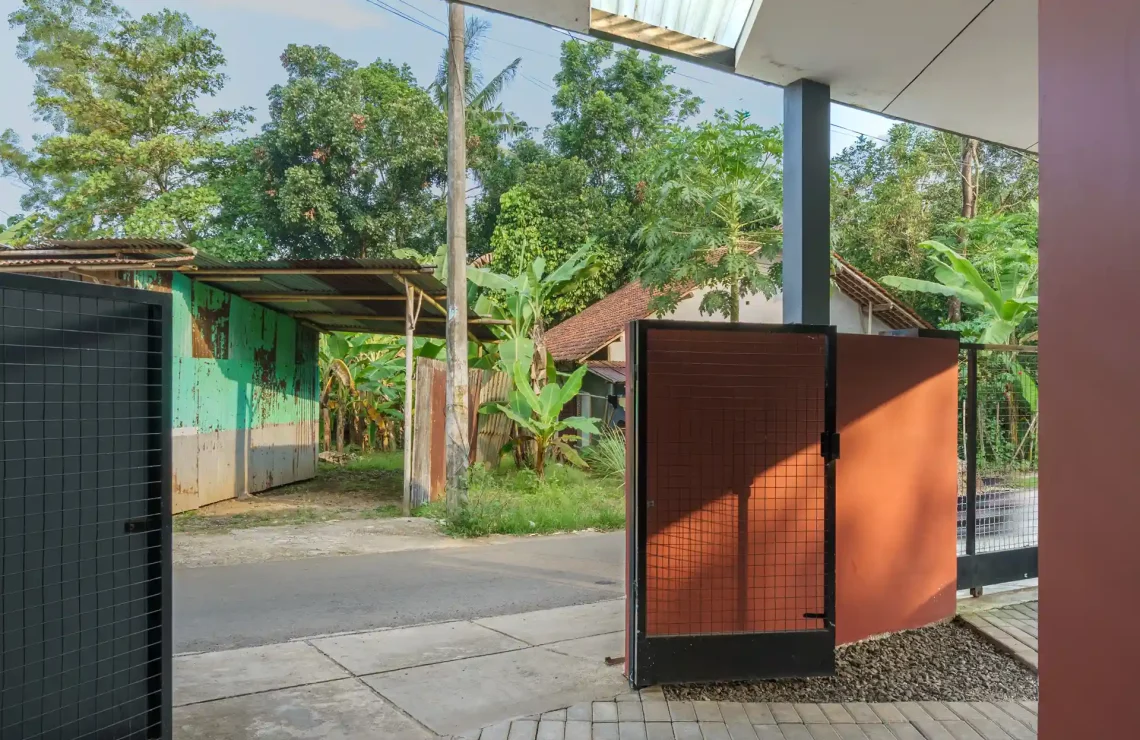
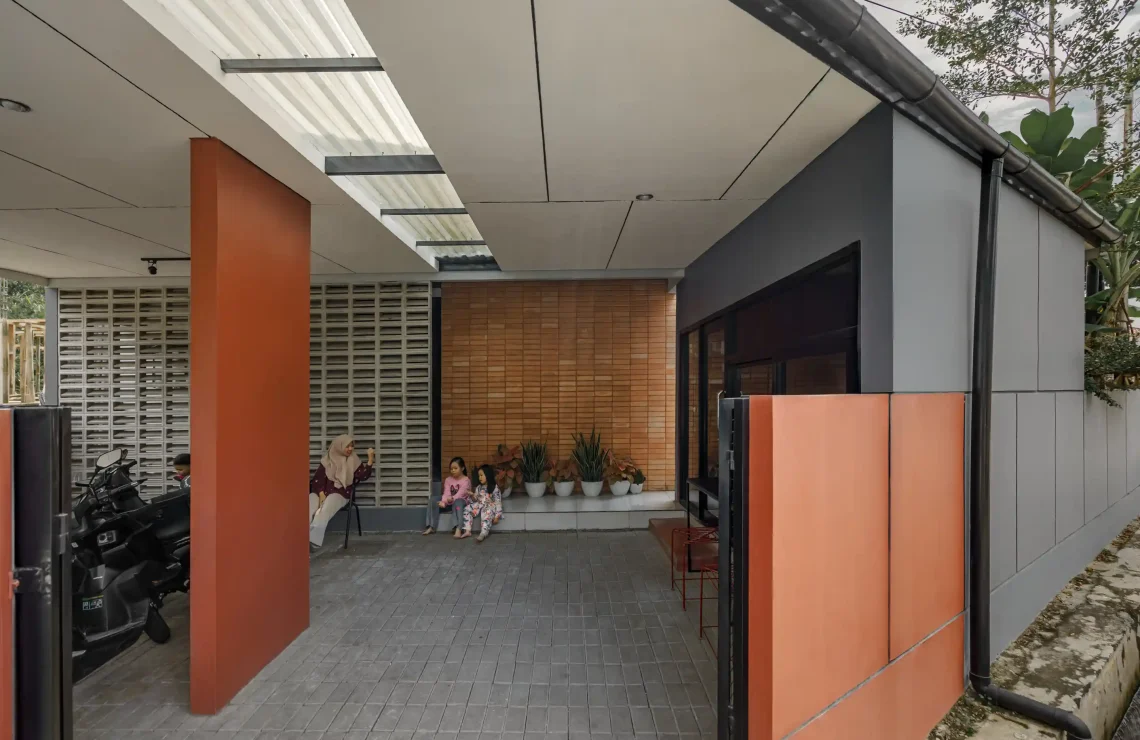
Beyond its architectural function, Rubina Syariah Hotel was also conceived as part of a broader local economic ecosystem. The project established cooperation with nearby residents by utilizing surrounding land for parking and supporting locally provided services such as laundry and food. In this way, the hotel extends its economic role beyond the building itself, creating opportunities for neighboring businesses and residents to participate in the hospitality ecosystem. The project therefore operates not only as an accommodation facility, but also as a platform for local economic activity.
Although positioned as a sharia-compliant hotel, the project emphasizes an inclusive approach to hospitality. The hotel is intended to accommodate guests from different backgrounds, including international travelers, while maintaining the principles that define its operating model. This approach demonstrates how a sharia-oriented accommodation concept can remain accessible without compromising its identity, while simultaneously offering affordable lodging with attention to comfort and quality.
Ultimately, Rubina Syariah Hotel approaches hospitality as a form of productive development in which architecture, business operations, local resources, and community participation are considered as interconnected elements. By responding to the natural qualities of the site, maintaining essential guest comfort within a constrained budget, reducing operational demands through an efficient building strategy, and involving the surrounding community, the project demonstrates how a relatively modest hotel can contribute to both its guests and the wider local economy. Its development also points toward the potential of sharia-compliant hospitality as part of a broader and more inclusive tourism sector.